
Last updated November 23, 2026
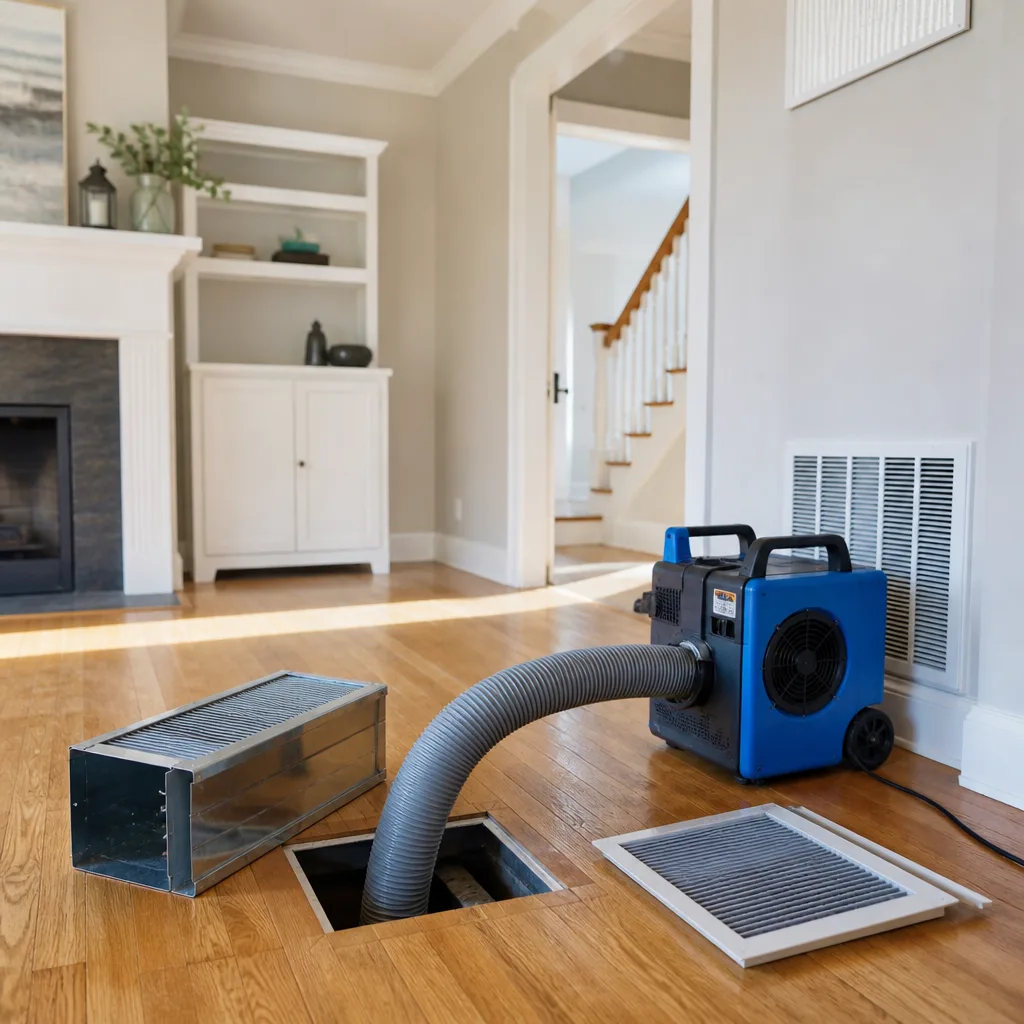 Whole-home duct cleaning
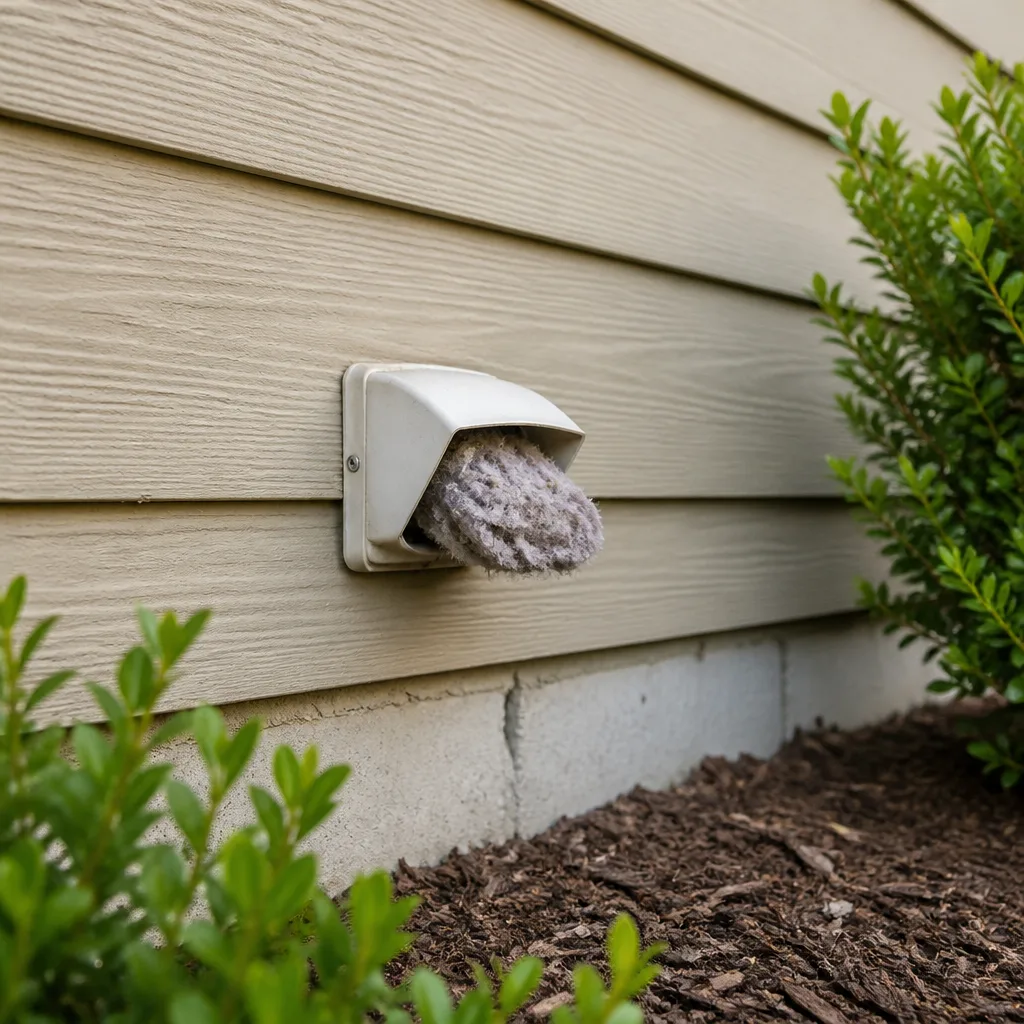 Dryer vent cleaning
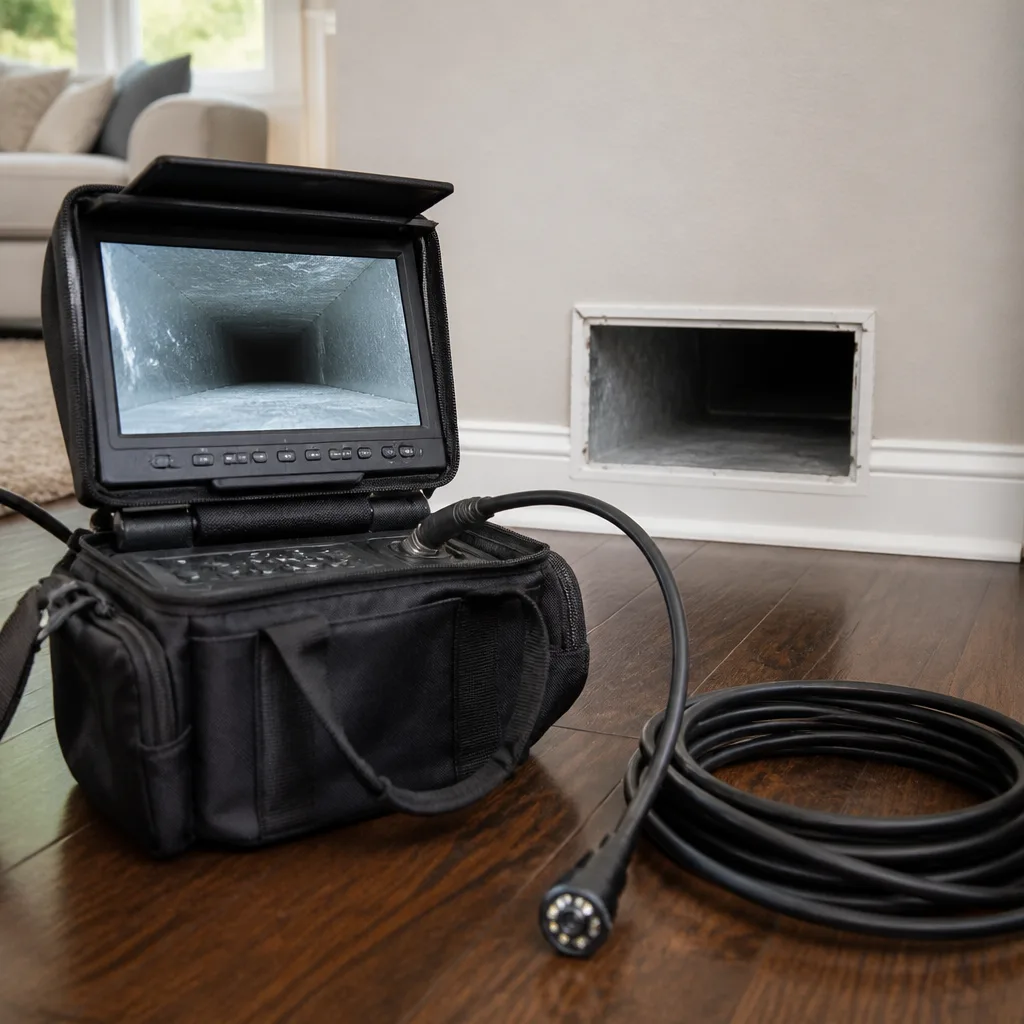 Camera inspection
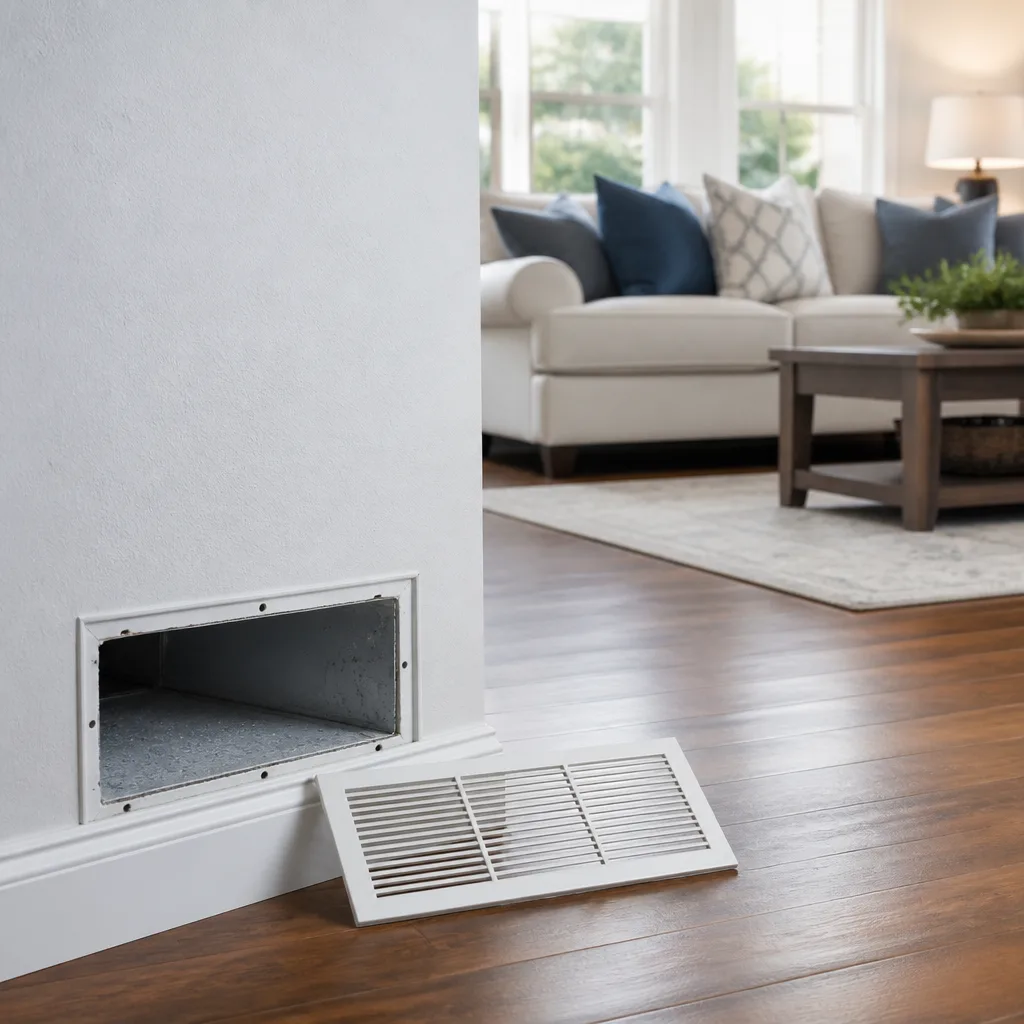 Sanitizing & deodorizing
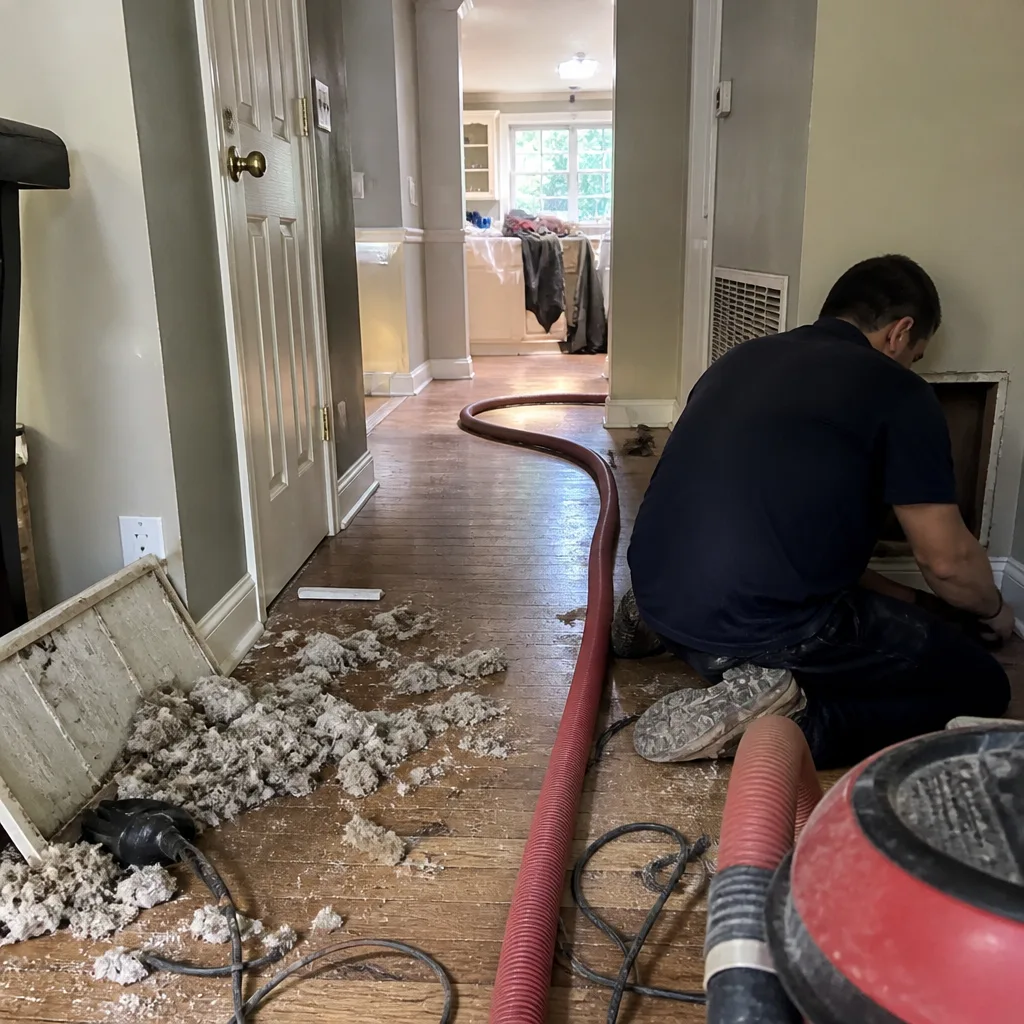
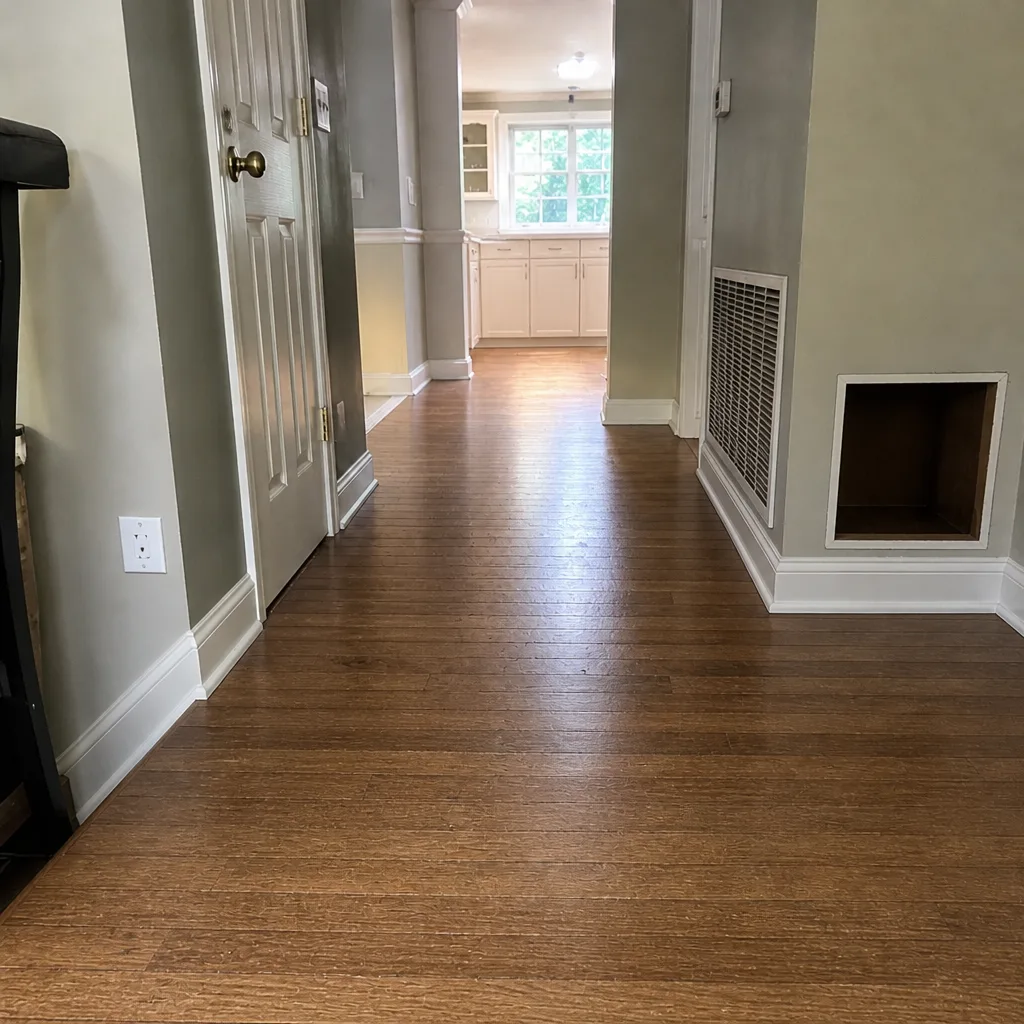
Whole-system duct and dryer vent check with before-and-after photos - you see exactly what came out of your vents
That "$99 whole-house special" is a bait ad - the real number appears once they are in your hallway, or the "clean" is a shop-vac at the register. We photograph the inside of your ducts before and after instead.
The Complete Guide to Air Duct Cleaning in Hayes Barton
Most homeowners here assume duct cleaning is something you schedule on a calendar, like a furnace filter change. That’s backwards. Hayes Barton’s tree canopy and older housing stock create a specific combination of pollen infiltration and duct leakage that makes generic “3-5 year” cleaning schedules nearly meaningless for most homes in this neighborhood. What matters far more is reading the conditions in your own system: how tight the return-side ductwork is, how the original construction handled the crawlspace or slab, and what your filtration has been doing (or failing to do) for years. This guide teaches you to read those signals, so you can tell when cleaning is genuinely warranted, what a real source-removal job involves versus a quick vacuum pass, and how to document your system so future decisions rest on evidence instead of a salesman’s timeline.
Quick Answer
Air duct cleaning in Hayes Barton is worth doing when you can point to a specific condition: visible debris at the registers, a recent renovation, a new HVAC install, unexplained allergy symptoms, or a home purchase where you don’t know the system’s history. A proper job is source-removal cleaning under negative pressure with mechanical agitation, not a vacuum pass at the vents, and it usually pairs with coil cleaning or sealing to actually fix the problem. There’s no universal calendar interval that fits every Hayes Barton home, because the housing stock and the tree canopy vary block to block.
Styles & brands we work with
- Whole-home duct cleaning
- Dryer vent cleaning
- Camera inspection
- Sanitizing & deodorizing
Table of Contents
- Why Hayes Barton Duct Systems Age Differently
- Source Removal vs. Blow-and-Go: How to Tell What You’re Being Quoted
- What Actually Enters Your Ducts During a Real Cleaning
- When Duct Cleaning Alone Won’t Fix the Problem
- How to Document Your Duct System Before and After
- Reading the Signals: A Practical Checklist for Hayes Barton Homes
- What a Full-Scope Cleaning Looks Like, Step by Step
- The Dryer Vent: The Safety Service Most Duct Cleaners Skip
Why Hayes Barton Duct Systems Age Differently
Hayes Barton is one of Raleigh’s oldest planned neighborhoods, and much of its housing stock predates the 1990s. That single fact changes almost everything about how duct contamination develops here. Homes built before flexible insulated duct became standard often have rigid metal trunk-and-branch systems, sometimes with original seams that have loosened over decades of seasonal expansion and contraction. Loose seams pull in attic air, crawlspace air, and whatever is suspended in it. That’s a different problem than a modern, sealed flex-duct system would have, and it calls for a different response.
Construction type matters just as much. Slab-on-grade homes have their ductwork running through the attic or in soffits above the ceiling line. Crawlspace homes often route supply trunks under the floor, where humidity is higher and where the duct’s exterior insulation can degrade without anyone noticing. In a crawlspace system, a small breach in the duct jacket doesn’t just lose conditioned air. It pulls in soil-adjacent moisture and the particulates that ride with it. That’s precisely the kind of contamination that a visual check at the register will never reveal.
The tree canopy compounds all of this. Hayes Barton’s mature oaks and elms produce an enormous seasonal pollen load, and that pollen doesn’t just sit on your porch. It gets pulled into the return side of the system and, once inside, it doesn’t leave on its own. Pollen combines with household dust and, in older systems with even minor leakage, with attic or crawlspace debris. What accumulates is a mixed deposit, not just dust, and it’s why a Hayes Barton home with a leaky return chase can be substantially dirtier than a newer home two streets over with a sealed system.
Our technicians have up to 10 years of experience working in this kind of housing stock, and the pattern is consistent: the age of the home matters less than the tightness of the ductwork and where the ducts actually run. That’s the first thing to establish before you decide anything about cleaning.
What the Hayes Barton humidity profile does to duct interiors
Raleigh’s summers bring sustained high humidity, and the shoulder seasons aren’t much drier. In a well-sealed modern duct system, that’s manageable. In an older, leaky system, humid outside air mixes with cooled supply air, and the result is condensation on duct surfaces during the cooling season. Moisture plus organic dust is the recipe for biological growth on duct liners, in the air handler cabinet, and on the evaporator coil. This is why in Hayes Barton we treat duct cleaning and moisture control as connected questions, not separate ones. Cleaning wet, contaminated ductwork without addressing the source of the moisture is a short-term fix.
Source Removal vs. Blow-and-Go: How to Tell What You’re Being Quoted
This is the single most important distinction in the entire field, and it’s the one most homeowners don’t know to ask about. Source-removal cleaning means the technician physically dislodges the accumulated material from every interior duct surface under continuous negative pressure, so that dislodged debris is captured at the source rather than redistributed into the living space. Blow-and-go means a vacuum is connected at one point, compressed air or a spinning tool is run through the ducts, and debris is pushed toward the vacuum with little regard for containment or coverage.
You can spot the difference in the quote, the equipment, and the questions asked. Here’s how to sort them:
- Source removal involves negative-air equipment, containment at the registers and returns, mechanical agitation reaching every branch, and a documented before-and-after record of the system. It takes time because it’s thorough.
- Blow-and-go is typically quoted by the vent, priced to be the lowest number on the page, and completed without containment. Debris moves. It doesn’t always move out.
- Source removal technicians ask about your HVAC equipment, filtration brand, and any moisture history before starting. They want to know whether the coil needs attention, whether the return chase is leaking, and whether cleaning alone will solve the problem.
- Blow-and-go crews often skip those questions because the answer might expand the scope beyond what was quoted.
In our experience, the biggest flag is per-vent pricing. Legitimate source-removal work is priced per system, not per register, because the effort is driven by the layout and condition of the ductwork, not by how many grilles happened to be installed. If you’re quoted a per-vent number, ask what happens if the ducts turn out to be tripled in complexity behind one grill. The answer tells you a lot.
If you want to compare apples to apples, ask every company you call for the same three things: the equipment they bring into the home, whether containment is included, and how they document what they found. A qualified provider and an air duct cleaning service here should answer all three without hesitation.
What Actually Enters Your Ducts During a Real Cleaning
Most homeowners never see the equipment list, and that’s a mistake. The tools that go into your ducts determine what actually gets removed. Here’s what to expect from a professional-grade cleaning and what each piece of equipment is doing.
- Rotary brush systems. A motorized brush head spins inside the duct and mechanically agitates the accumulated material off the duct wall. The same pass extracts the loosened debris. This is essential for the compacted deposits that build up over years in older Hayes Barton systems; a brush physically removes what a vacuum alone can’t lift.
- Air whips and forward-and-reverse air tools. Used on flexible duct and longer runs where a brush can’t reach cleanly. The compressed-air head travels the length of the run, dislodging material toward the collection point.
- Negative-air equipment. This is the containment backbone. A high-capacity HEPA-filtered vacuum is connected to the system and runs continuously during cleaning, keeping pressure negative so dislodged material travels to the collector rather than into your living room. Nikro negative-air units are the standard for this in residential source-removal work.
- HEPA air filtration devices. Placed in the work area to capture any stray particulates that escape containment during the job. Abatement Technologies filtration equipment is what we bring for this, because it holds up under a full-service cleaning and keeps indoor air quality stable through the work.
- Inspection cameras. A camera pushed into the duct confirms what’s actually there before and after, and gives you a visual record. This is the documentation piece you should always ask for.
The equipment tells you the methodology. A truck-mounted shop vac and a hose through the register is not the same job as a Rotobrush rotary brush running under Nikro negative pressure with Abatement filtration in the room. Both might be described as “duct cleaning” on an invoice. They are not the same service. That’s why we list the equipment out loud: when you know what should be on site, you can verify it before work begins.
The same reasoning applies to your air handler and the equipment attached to it. If your home has Honeywell or Aprilaire whole-home filtration or humidification, a technician who understands those systems will service the ductwork in context, not in isolation. Filtration and ductwork are one system; treating them separately is how problems get missed.
When Duct Cleaning Alone Won’t Fix the Problem
Duct cleaning is one part of an indoor air quality system, and in a meaningful share of Hayes Barton homes, cleaning by itself doesn’t solve the underlying issue. That’s not a reason to skip it. It’s a reason to find out what else is going on before you sign up for anything.
The three conditions most often missed:
- A contaminated evaporator coil. If the coil is fouled, it’s actively reintroducing biological material and dust into the airstream every time the system runs. Cleaning the ducts without cleaning the coil is like mopping a floor while the ceiling leaks. Coil cleaning should be part of the same job or scoped alongside it.
- Active mold growth inside the system. Duct liners, the air handler cabinet, and the transition between the two are common growth sites in a humid climate. Cleaning removes the substrate; it doesn’t kill what’s already established on porous surfaces. Remediation with EPA-registered products and, where needed, physical removal of damaged liner, is the correct response. Then sealing and moisture control keep it from coming back.
- Leaking duct seams. In older Hayes Barton homes, this is the most common root cause of recurring contamination. If unfiltered attic or crawlspace air is being pulled in at seams, cleaning will improve conditions for a while and then the leak will recontaminate the system. Sealing is what makes the cleaning last.
This is why a full-scope indoor air quality service is different from a duct-only visit. Cleaning, sanitizing, repair, and sealing belong in the same conversation, because in an older home they usually solve the same problem from different angles. If you’re scheduling HVAC cleaning at the same time, tilt it toward a scope that covers the coil and the air handler cabinet, not just the ducts.
The question to ask before any job: “If cleaning alone doesn’t solve my issue, what will we find, and how will we know?” A qualified provider will answer that without trying to upsell you on anything unnecessary.
How to Document Your Duct System Before and After
You should leave every cleaning with a record. Twenty years from now, when you’re deciding whether to clean again or replace equipment, that record is the only thing that will let you make the call on evidence rather than memory.
Here’s what to capture, in order:
- Pre-cleaning photos at each register and return. Take your own photos before the crew arrives. These are your baseline, independent of anything the company provides.
- Pre-cleaning inspection camera screenshots from inside the main trunk and at least two branches. Ask the technician to note where the camera went and what it saw.
- Before-and-after photos of the same locations. Same angle, same lighting, same distance. This is the proof element. If a company can’t produce before-and-after photos of your ducts, that’s worth asking about.
- The written scope, signed. Which components were cleaned, whether the coil was included, whether sanitizing was done, whether any sealing or repair was recommended but deferred.
- A short note on filtration and equipment. Filter size, filter type, and any existing whole-home filtration (Honeywell and Aprilaire are the common systems in this neighborhood). This helps any future contractor understand the system quickly.
Keep all of it in a home maintenance folder. The next time you’re weighing whether to clean again, you’ll have a genuine reference point: what the ducts looked like after the last job, what equipment was in place, and what the filtration has been doing since. That’s the alternative to a generic three-year calendar reminder that has nothing to do with your actual system.
Reading the Signals: A Practical Checklist for Hayes Barton Homes
The purpose of this checklist is to give you a way to decide whether to call for an assessment, and what to mention when you do. None of these individually demands immediate action. Several together do.
- Visible dust or debris at the registers. Not just a faint dusting; look for material accumulated on the grille edges and visible inside the boot when you remove a cover.
- Recent renovation or HVAC replacement. Drywall dust and construction debris are pulled through the system during remodel work if the ducts aren’t isolated. A new HVAC install is the moment to clean and document, so you know exactly what the system looked like at the start.
- Allergy symptoms that worsen indoors. If symptoms track with time inside and improve when you’re away, it’s worth investigating the system’s condition rather than assuming.
- A home purchase with unknown history. You don’t know when or whether the ducts were ever cleaned. Cleaning and documenting gives you the baseline.
- Persistent musty odor when the system runs. This is a moisture and biological-growth signal. It warrants an inspection rather than a cleaning quote.
- High dust accumulation in a home that’s otherwise well maintained, particularly if the pattern repeats after a cleaning.
- Visible loose seams or disconnected duct runs in the attic or crawlspace. Bring this up when you call. Sealing may be part of the right scope.
If two or three of these apply, an inspection with a camera is the sensible next step. It’s cheaper than a full cleaning and it tells you whether cleaning is even warranted. From there you can decide on the scope with real information.
What a Full-Scope Cleaning Looks Like, Step by Step
Transparency about the process is the reason to hire a specialist instead of the lowest bid. Here’s the sequence a professional-grade cleaning follows, in order, so you know what to expect when the crew arrives.
- Walkthrough and protection. Every register and return is located, the work area is protected, and HEPA filtration equipment is placed. The technician confirms the scope in writing before starting.
- Negative pressure established. A high-capacity HEPA vacuum is connected to the system, typically at the main trunk or air handler, and run continuously. This keeps the system under negative pressure for the entire cleaning.
- Mechanical agitation, branch by branch. A rotary brush (Rotobrush system) or air whip is run through each supply run and each return. Debris is dislodged from the duct wall and pulled toward the collection point by the negative pressure.
- Main trunk and plenum cleaning. Larger duct sections get the same treatment, then a final pass to confirm no debris remains.
- Air handler and coil. If cleaning is bundled with an HVAC service (which it usually should be), the evaporator coil and air handler cabinet are cleaned as part of the same visit.
- Sanitizing where indicated. EPA-registered products are applied where biological growth or persistent odor has been identified. Not every job needs this step; a thorough cleaning does not always require sanitizing.
- Sealing and repair (where scoped). Loose seams and disconnected runs found during cleaning are sealed, so the system doesn’t recontaminate itself.
- Post-cleaning inspection and documentation. Inspection camera review, before-and-after photos at the same locations, and a written summary of what was found, what was cleaned, and what was deferred.
If you’re choosing a provider in Hayes Barton, ask before booking which of these steps are included by default and which are extras. The answer tells you what the price actually buys.
The Dryer Vent: The Safety Service Most Duct Cleaners Skip
Dryer vent cleaning belongs in a conversation about air duct cleaning for one reason: it’s the piece of residential ductwork most often neglected and most consequential when it fails. Lint accumulates in the vent run, restricts airflow, and creates a fire condition. This isn’t an upsell; it’s the part of the service that directly affects household safety, and yet many duct cleaners treat it as an afterthought.
The signs that a dryer vent needs cleaning are specific. Clothes take longer than they used to in the same dryer. The dryer feels hot to the touch on the exterior. Lint collects around the exterior vent hood. The vent hood flap doesn’t open fully when the dryer runs. Any of these warrant a cleaning.
A proper dryer vent cleaning runs the full length of the vent from the dryer connection to the exterior hood, removes accumulated lint with the correct brushes and air tools, verifies airflow through the run, and includes a visual inspection for crushed or disconnected sections. In older Hayes Barton homes where the dryer is deep inside the house and the vent run is long, this is often more involved than it looks and more important than it sounds. We treat it as a full part of the indoor air quality service, not a tack-on.
If your dryer vent hasn’t been cleaned and you can’t recall it ever having been done, that’s a reasonable call to make on its own, regardless of whether the air ducts are due.
Common Mistakes to Avoid
- Assuming a fixed cleaning schedule. The “every 3-5 years” rule is a default that ignores housing age, duct tightness, filtration quality, and local pollen load. Hayes Barton’s older and leaky systems often need cleaning sooner, and sealed modern systems sometimes don’t need it at all. Look for conditions, not calendar dates.
- Choosing on price alone. The cheapest quote in this neighborhood is frequently a blow-and-go job that pushes debris around without removing it. Ask what equipment will be on site before deciding.
- Skipping containment. If the crew arrives without negative-air equipment and HEPA filtration, you’re about to have debris redistributed in your living space, not removed from the ducts. This is the most common quality gap in residential work.
- Not asking about the coil. Cleaning ducts while leaving a fouled evaporator coil in place means the system recontaminates the ducts on the next cooling cycle. The coil belongs in the scope or in the conversation.
- Accepting per-vent pricing without scrutiny. Per-vent pricing encourages speed over thoroughness and makes it hard to compare quotes fairly. Whole-system pricing reflects the actual work much more accurately.
- Leaving without documentation. No before-and-after photos, no inspection camera record, no written scope means no baseline. You’ll be making future decisions on memory, and memories drift.
- Cleaning without addressing duct leaks. In Hayes Barton homes with older rigid duct systems, cleaning without sealing often means recontamination within a few years. If leaks are present, sealing should be part of the plan.
See the difference
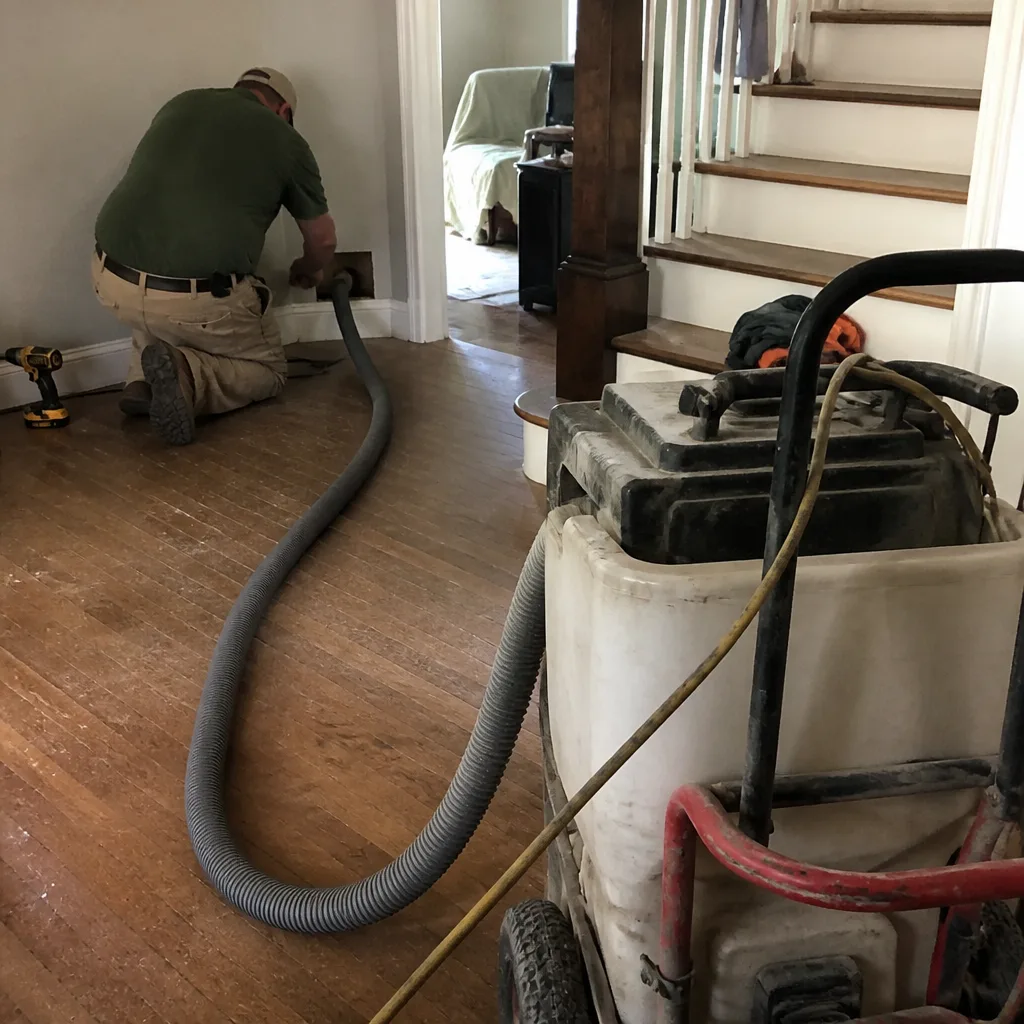 Before
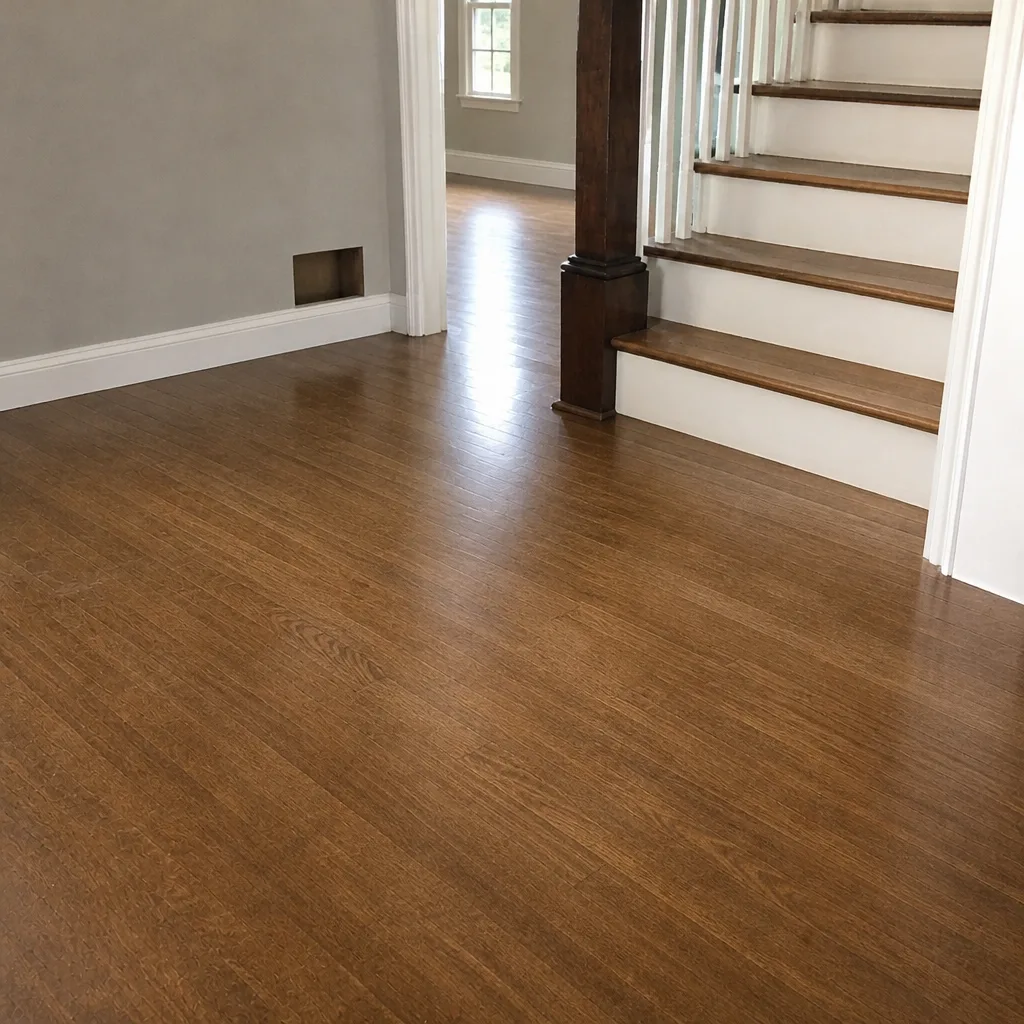 After
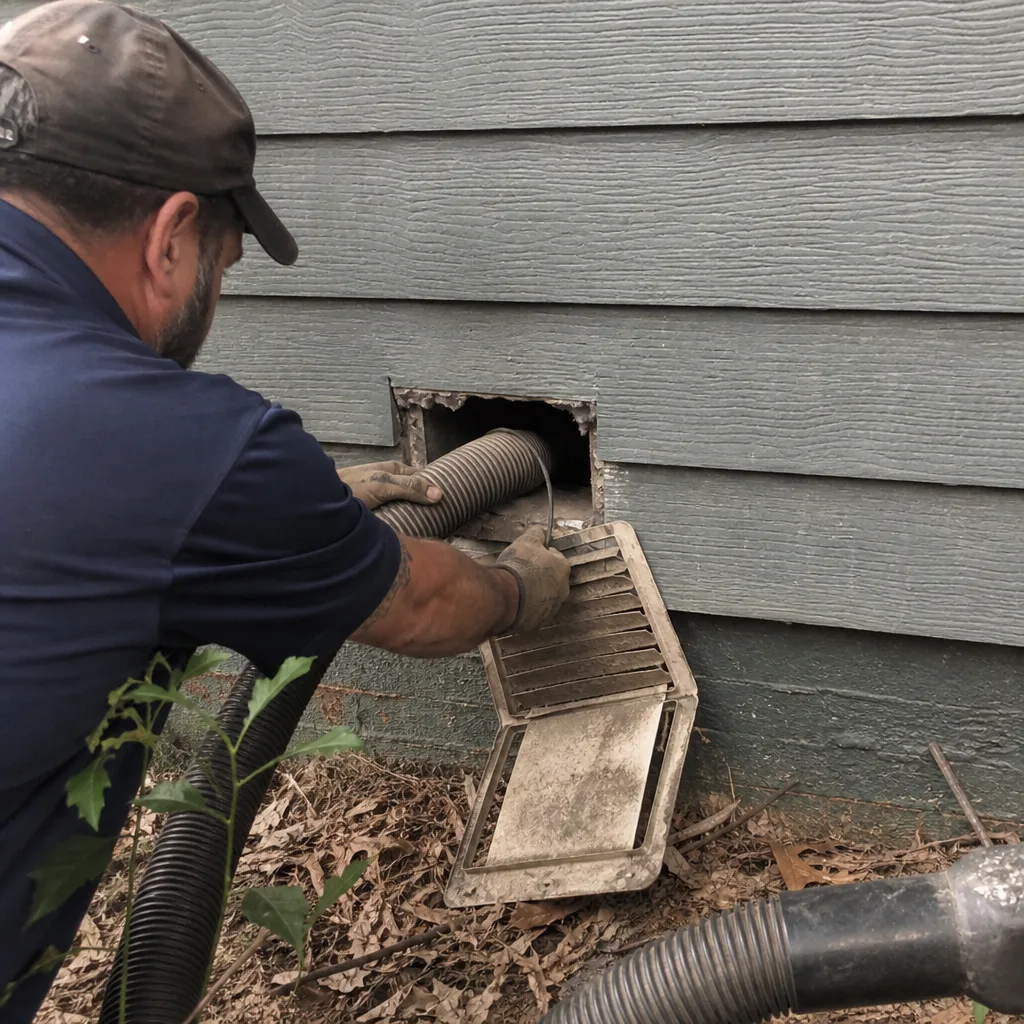 Before
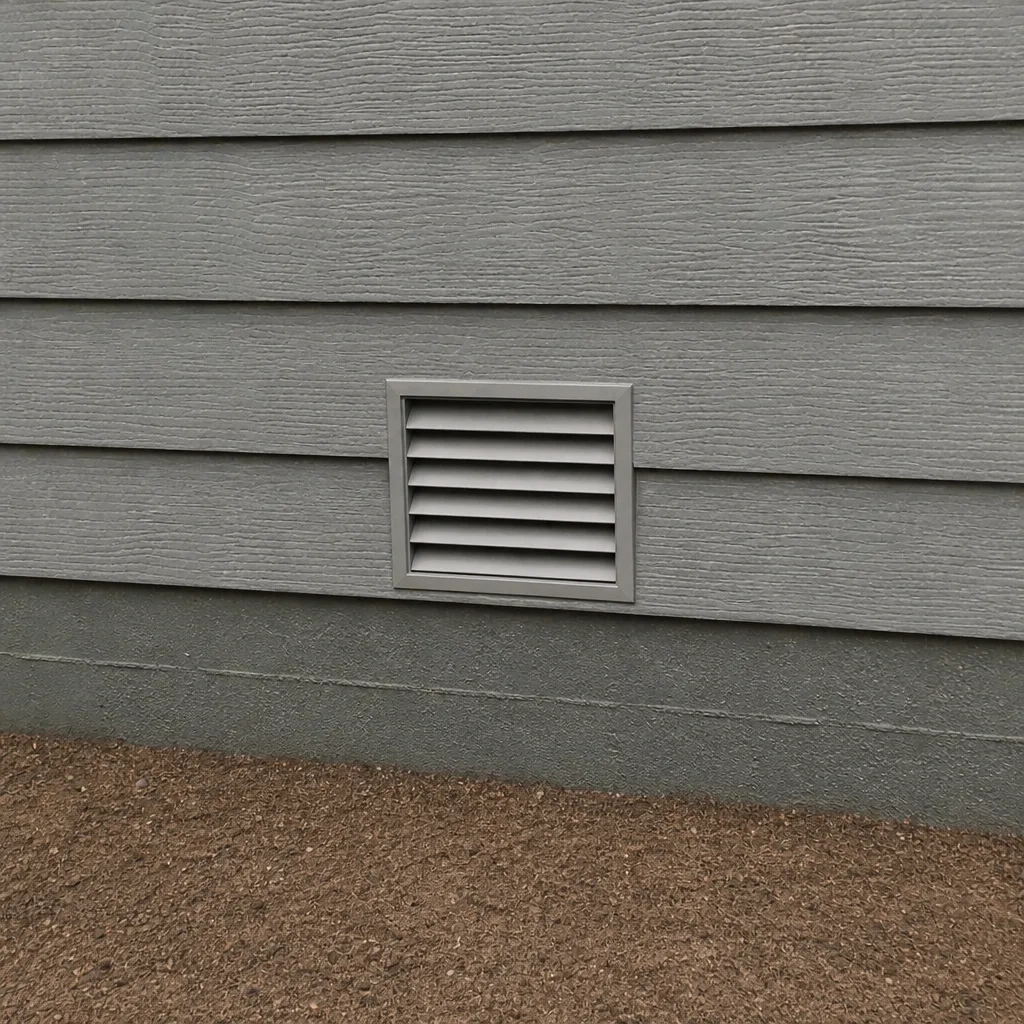 After
 Before
 After
When to Call a Professional
Call when you have a signal, not a guess. Visible debris at the registers, a renovation or new HVAC install, a home purchase with unknown history, a persistent musty odor when the system runs, or allergy symptoms that track with time indoors are all reasons to schedule an inspection. If your dryer vent hasn’t been cleaned in years, that’s a separate safety call. If your system has Honeywell or Aprilaire filtration, a qualified technician should be able to service the ductwork in the context of the filtration setup, not in isolation. Air Duct Cleaning Hayes Barton offers free estimates in Hayes Barton. Call (833) 468-5692 to schedule an inspection or get a written estimate. We answer 24/7. Fast dispatch from 7am to 7pm, Sunday through Friday.
Frequently Asked Questions
Air duct cleaning in Hayes Barton typically costs a few hundred dollars for a whole-system source-removal job, though the exact figure depends on system size, duct layout, whether the coil is included, and whether sealing or repair is needed. There’s no honest way to quote a firm number without seeing the system. What matters more than the headline price is what’s included: containment, mechanical agitation, inspection camera, and before-and-after documentation. Call (833) 468-5692 for a free estimate; the written scope sets the final price.
Lower quotes are almost always blow-and-go jobs: a vacuum at one point, air pushed through the ducts, no containment, no coil cleaning, no documentation. The work takes less time because less work is being done. A source-removal cleaning takes longer, uses more equipment, and produces verifiable results. Ask any company what equipment they bring on site and whether negative air and HEPA filtration are included. If the answer is vague, that’s the explanation for the price gap.
Before-and-after photos of your own ducts, at the same register locations and same angles, plus inspection camera footage of the main trunk and branches. A professional-grade cleaning leaves a documented trail because the equipment (cameras, negative-air units) supports it. If the provider can’t show you proof at the end of the job, the work wasn’t verifiable. Call (833) 468-5692 for an estimate and ask what documentation is included.
For most Hayes Barton homes, it depends on conditions rather than a set interval. A tight, well-maintained system with good filtration may go many years between cleanings. Older systems with loose seams, crawlspace or attic routing, or heavy pollen infiltration may need attention more often. If you’ve recently renovated or replaced the HVAC system, cleaned ducts should be part of the handoff so you start with a known baseline. Call (833) 468-5692 if you’re unsure whether it’s time.
It can, when the ducts are genuinely contaminated and when the cleaning is part of a broader fix that includes the evaporator coil, filtration, and sealing where needed. If the contamination source is still active (leaking seams, fouled coil, active mold), duct cleaning alone will improve things temporarily and then conditions return. The honest answer is that duct cleaning is one part of an indoor air quality system, and it’s most effective when the other parts are addressed at the same time.
After the new equipment is installed is the better plan, so the old system’s debris doesn’t contaminate the new equipment. The order matters less than doing both in the same window and documenting the state of the ducts at the time of install, so any future decision rests on a known baseline. Call (833) 468-5692 to schedule a combined assessment.
The Bottom Line
Duct cleaning is a response to specific conditions, not a maintenance calendar to be obeyed. In Hayes Barton, the leakiest and oldest systems often need attention sooner than the fixed interval suggests, while well-sealed modern homes may go longer. The right questions are simpler than the sales pitches: what equipment will be on site, is containment included, is the coil part of the scope, and how will the work be documented. Source-removal cleaning under negative pressure, with mechanical agitation and before-and-after proof, is the standard that actually improves indoor air quality. Blow-and-go is the standard that produces a low invoice. Know the difference, and the rest of the decision follows.
Ready to know what your system actually needs? Call Air Duct Cleaning Hayes Barton at (833) 468-5692 for a free estimate. We answer 24/7. Fast dispatch from 7am to 7pm, Sunday through Friday.
Written by the team at Air Duct Cleaning Hayes Barton.