
Last updated November 23, 2026
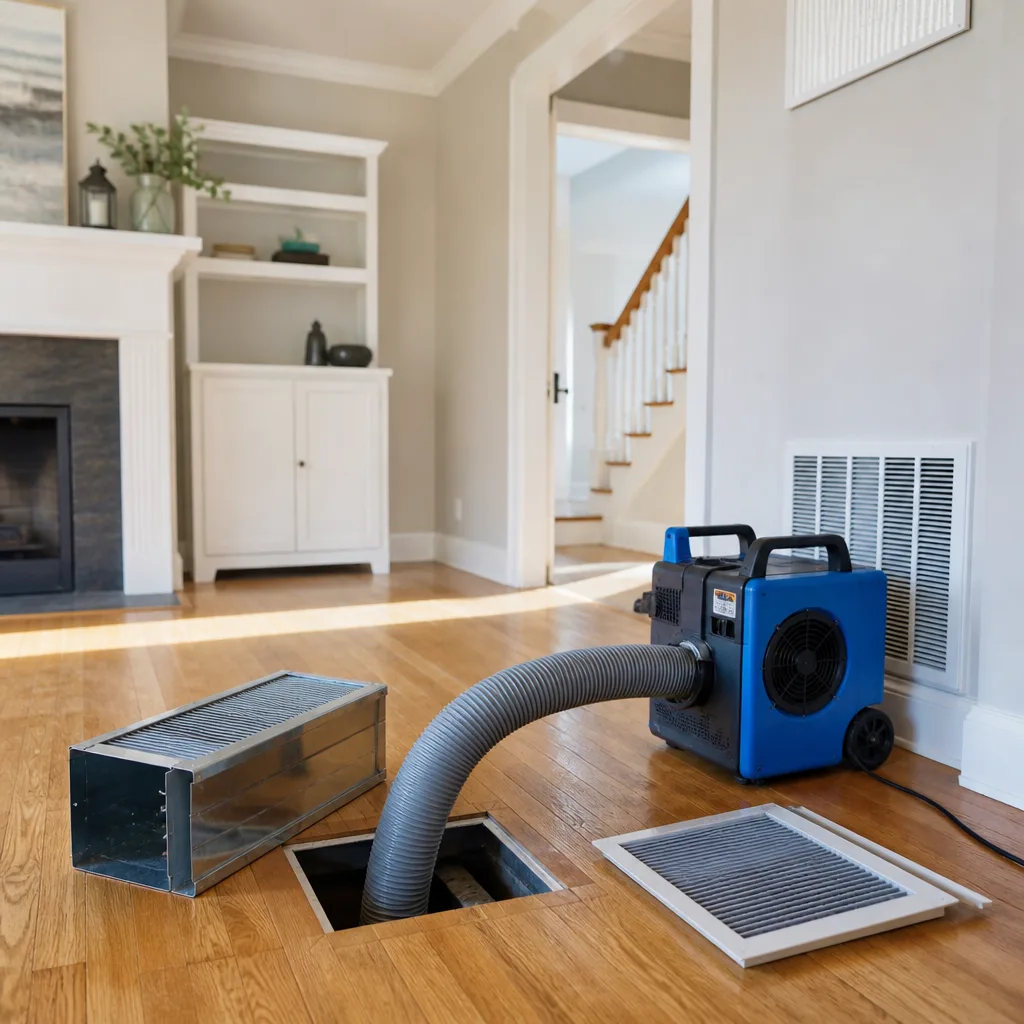 Whole-home duct cleaning
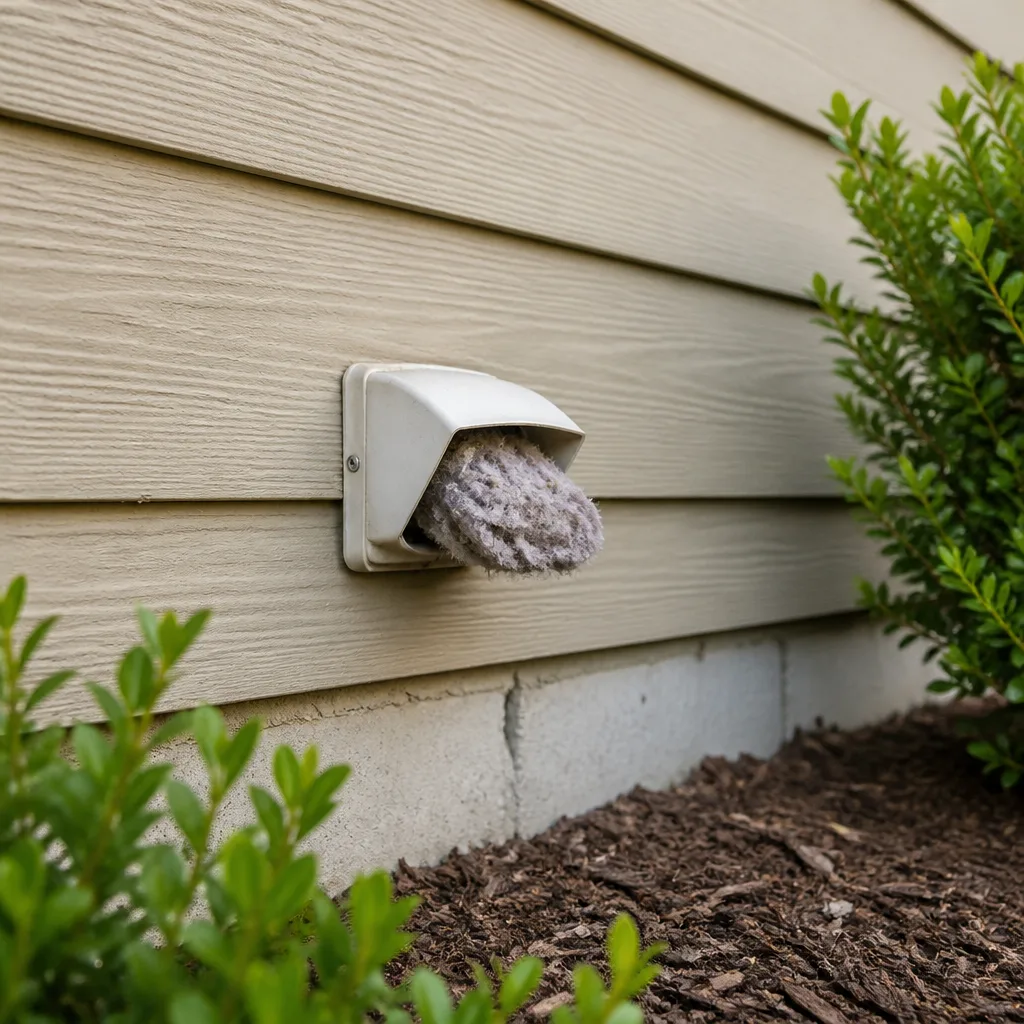 Dryer vent cleaning
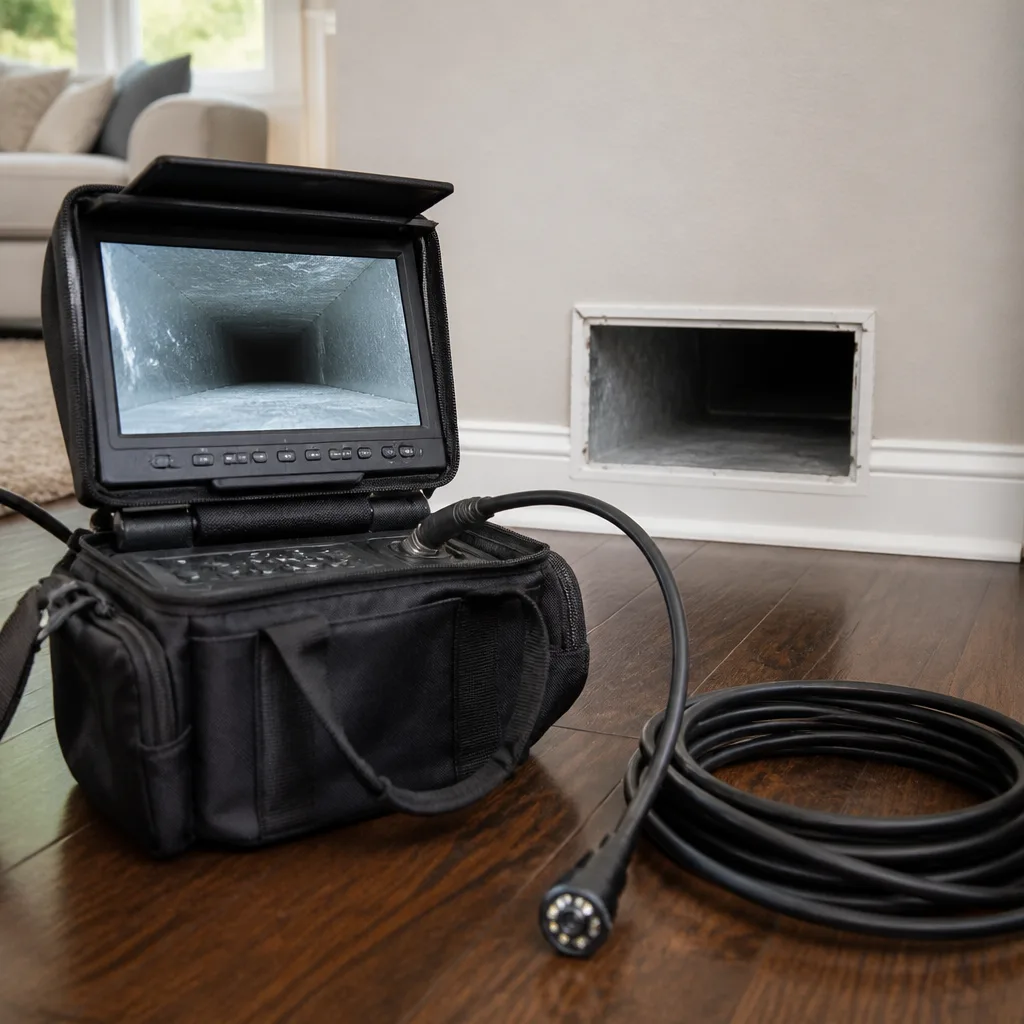 Camera inspection
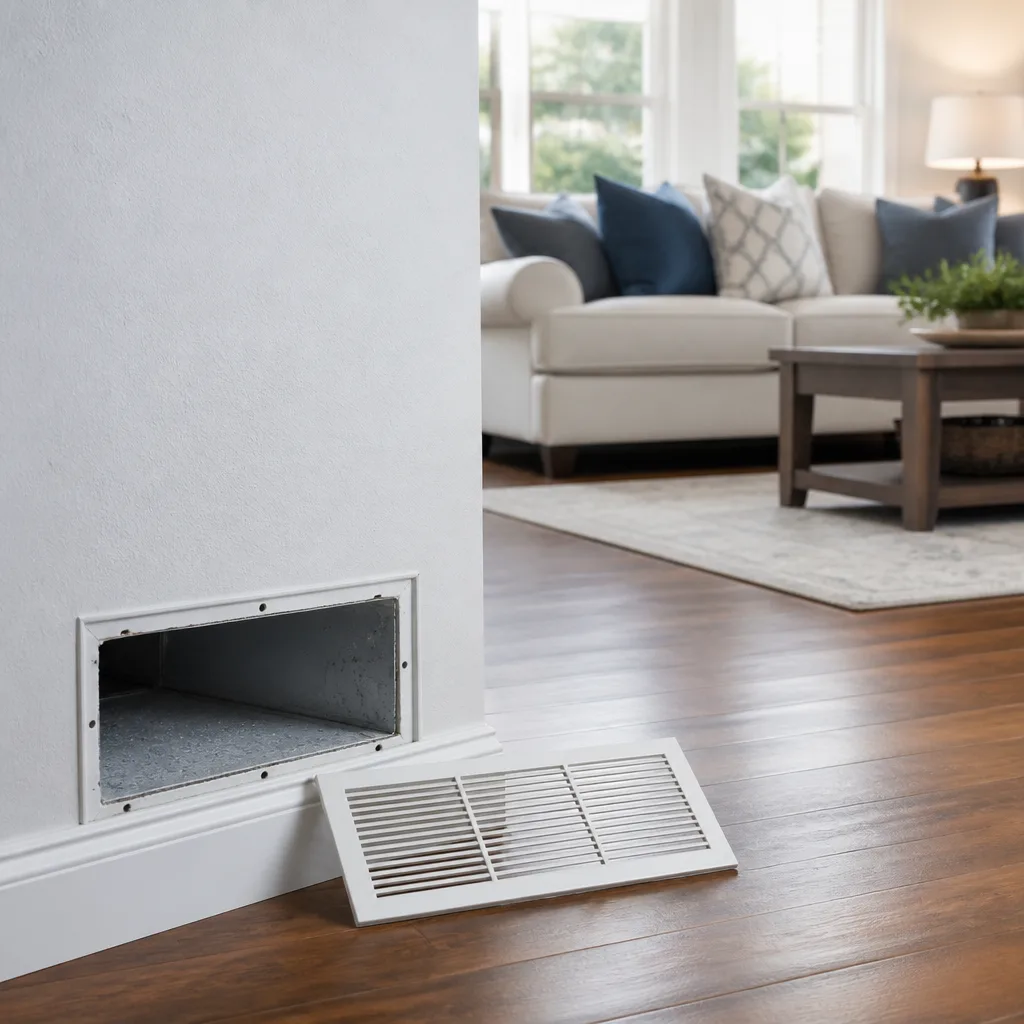 Sanitizing & deodorizing
Whole-system duct and dryer vent check with before-and-after photos - you see exactly what came out of your vents
That "$99 whole-house special" is a bait ad - the real number appears once they are in your hallway, or the "clean" is a shop-vac at the register. We photograph the inside of your ducts before and after instead.
How to Hire an Air Duct Cleaning Contractor in Hayes Barton: A Step-by-Step Guide
Most homeowners in Hayes Barton hire a duct cleaning company the same way they hire a plumber: check reviews, compare two prices, book the cheaper one. That approach fails here. North Carolina does not license air duct cleaning, so anyone with a van, a shop vacuum and a magnetic sign can advertise “professional service” with no training, no certification and no inspection behind it. The reviews might even be real. The work still might be air-only agitation that knocks dust loose and leaves it in the system. What separates a qualified specialist from an opportunistic generalist is rarely the star rating. It’s four technical questions, asked before you book, and whether the person on the phone can answer them without hesitating. This guide walks through those questions and the rest of the vetting process in order.
Quick Answer
To hire an air duct cleaning contractor in Hayes Barton, ask four technical questions before booking: what CFM rating your vacuum pulls, whether you use contact cleaning tools or air-only agitation, how you protect the blower compartment during cleaning, and whether you can show before-and-after photos from a similar system. Then verify the equipment is commercial-grade, confirm whether the firm holds NADCA membership versus actual NADCA certification, and insist on a written scope of work naming access points, supply and return runs, and whether coil inspection is included. Anyone who can’t answer all four clearly is not the right call.
Styles & brands we work with
- Whole-home duct cleaning
- Dryer vent cleaning
- Camera inspection
- Sanitizing & deodorizing
Table of Contents
- Why North Carolina Licensing Changes How You Vet a Contractor
- The Four Diagnostic Questions to Ask Before You Book
- How to Tell Commercial-Grade Equipment From a Shop Vacuum With a Logo
- NADCA Membership vs. NADCA Certification: What the Difference Means in Your Home
- Red Flags in the Hayes Barton and Raleigh Market
- What a Legitimate Written Scope of Work Looks Like
- How to Verify the Work Actually Got Done
- The Dryer Vent Question Most Homeowners Forget to Ask
Why North Carolina Licensing Changes How You Vet a Contractor
In most trades, licensing does part of the vetting for you. A licensed electrician has passed an exam and carries a credential a state board can pull. Air duct cleaning in North Carolina has no such requirement. There is no state license to hold, which means there is no license to lose. The barrier to advertising “professional duct cleaning” in Hayes Barton is essentially zero, and the burden of separating qualified specialists from everyone else falls on you.
That doesn’t mean the market is a free-for-all. It means the signals you’d normally lean on – a license number on the invoice, a state registry lookup – aren’t available, so you have to replace them with questions about equipment and method. A contractor who has invested in commercial-grade machinery, carries proper containment and filtration gear, and can explain the cleaning process in plain English has made a real capital and training commitment. Someone running a consumer vacuum and a length of flexible hose has not.
We’ve watched this play out across the older neighborhoods around Raleigh’s inside-the-Beltway core, where 1920s and 1940s homes in Hayes Barton often have retrofitted ductwork that doesn’t match the original floor plan. Additions, converted porches and later HVAC replacements leave supply and return runs that don’t follow a clean pattern. A contractor who works in these homes regularly knows to expect that. A coupon-ad operation working from a script does not, and will clean what’s easy to reach and call it done.
Practically, this means your vetting process has to do the work that credentialing doesn’t. The next section gives you the questions that do it.
The Four Diagnostic Questions to Ask Before You Book
These four questions are the fastest filter we know. Ask them in order on the phone, before anyone comes out. A qualified specialist answers all four without hesitation. A generalist stumbles on the first one and pivots to price.
- What CFM rating does your vacuum pull? CFM means cubic feet per minute, the actual airflow the machine moves. Commercial duct cleaning vacuums run in a range that keeps dust in suspension and moving out of the system. Consumer shop vacuums fall far below it. If the person on the phone doesn’t know the number, that’s your answer.
- Do you use contact cleaning tools, or air-only agitation? Contact cleaning means a rotary brush or whip physically scrubs the duct wall while extraction pulls the loosened debris out. Air-only agitation blows compressed air through the system and relies on the vacuum to catch it. Contact cleaning is the standard for source-removal work. Ask which tools they use by name.
- How do you protect the blower compartment during cleaning? The blower and the furnace or air handler sit downstream of the ductwork. If a contractor doesn’t seal or isolate that compartment before cleaning, dislodged debris can end up in the blower and the coil. A real answer describes containment. “We’re careful” is not a real answer.
- Can you show me before-and-after photos from a similar duct system? Not stock photos, not a gallery of a commercial job. Photos from a comparable residential system in a house like yours. A contractor doing careful work photographs it because the photos are their proof.
We use a Rotobrush rotary brush system for mechanical agitation with simultaneous extraction, and Nikro negative-air equipment for contained, source-removal cleaning. Abatement Technologies air filtration devices run during the job to capture particulates the moment they’re dislodged. Those are the kinds of specific answers you’re listening for – not brand names recited, but the method behind them. If you want to know what the cleaning itself involves, our air duct cleaning page walks through the process step by step.
How to Tell Commercial-Grade Equipment From a Shop Vacuum With a Logo
Equipment is the single most objective thing you can verify about a duct cleaning contractor, because it’s either there or it isn’t. The problem is that professional branding is cheap. A wrapped van, a printed uniform and a logo on a machine don’t tell you what the machine can do. Here’s what actually separates the two tiers.
- Vacuum size and airflow. Commercial duct cleaning vacuums are large, heavy, and typically mounted on a trailer or rolled in on a dedicated cart. A unit that fits in one hand and runs off a standard outlet is a shop vacuum regardless of the sticker on it.
- Negative air containment. Legitimate source-removal work pulls the system into negative pressure so debris travels toward the machine, not into your living room. Ask what they use to hold negative pressure and where the exhaust goes.
- Air filtration devices. Commercial-grade operations run HEPA filtration during the job to catch whatever gets airborne when ducts are opened. Abatement Technologies filtration units are standard in indoor air quality work because containment is the whole point.
- Contact cleaning tooling. Ask to see the rotary brush or whip heads. These are purpose-built tools sized to the duct. There is no home-improvement-store equivalent.
- Access panel work. Proper cleaning means cutting and resealing access panels at the right points to reach every run. A contractor who won’t cut access is cleaning only what the vents expose.
When you’re evaluating a quote, ask what equipment will actually arrive at the house. If the answer is “our professional cleaning system,” ask for the brand and model. Rotobrush, Nikro and similar names come up because they’re what restoration contractors and indoor air quality specialists use. If the answer is a generic description, treat it as a red flag until proven otherwise.
NADCA Membership vs. NADCA Certification: What the Difference Means in Your Home
NADCA – the National Air Duct Cleaners Association – publishes the standards most of the industry measures itself against. Two different things get marketed under that name, and they are not the same. Membership means a company has joined the association and pays dues. Certification means an individual technician has completed NADCA’s training and passed its exam, and the company has met the association’s requirements to hold the credential.
Why this matters for the work in your home: a member company can belong to the association without any individual on the crew holding a certification. That’s not automatically a bad sign, but it means “NADCA member” on a website tells you less than it sounds like. The stronger question is whether the technician arriving at your door holds a current certification, and whether the company follows NADCA’s assessment, cleaning and post-cleaning verification standards on every job.
A few things certification signals in practice:
- Training in the assessment process, so the technician inspects the system before quoting work
- Familiarity with source-removal methodology rather than surface cleaning
- Knowledge of containment and protection for the blower, coil and air handler
- A post-cleaning verification step – the work is checked, not just performed
Ask directly: who is coming to my house, and what certification do they hold? A company that can answer that question cleanly is operating at a different level than one that deflects. It’s the same distinction that shows up when a contractor talks about HVAC cleaning as a system-level job rather than a duct sweep.
Red Flags in the Hayes Barton and Raleigh Market
Door-hanger marketing and coupon advertising are everywhere in the Raleigh market, and Hayes Barton sees plenty of it. Not every company that advertises that way is bad, but the model attracts a certain kind of operation, and the red flags tend to show up together. Watch for these.
Per-vent pricing
Quoting by the vent is the most common bait-and-switch structure in the trade. It sounds cheap because the base price covers a handful of vents. Once the technician is on site, a typical house in Hayes Barton turns out to have far more runs than the quote covered, and the price climbs. A legitimate quote is priced per system, in writing, before the work starts.
No access panel inspection
If no one inspects the ductwork through access panels before quoting, the quote is a guess. A real assessment looks inside the system, checks the blower and coil, and prices the actual job. A contractor who quotes from the doorstep and never opens a panel is pricing an idea, not your ducts.
Aggressive antimicrobial fogger upsells
Sanitizing has a place in indoor air quality work, particularly after water intrusion, pest activity or a renovation. But an antimicrobial fogger pitched as a mandatory add-on before the technician has even looked at your system is a sales tactic. Ask what the product is registered for and why it’s being recommended. If the answer is vague, decline.
No written scope, no photos, no verification
If you can’t get a written scope of work before the job, and you can’t get before-and-after photos after it, you have no way to know the work happened. This is the core of the industry’s reputation problem.
The cure for all four flags is the same: get an Air Duct Cleaning Hayes Barton estimate that’s priced per system, in writing, with a scope that names the access points and runs, and before-and-after photos of your own ducts when the job is done. If a company won’t put that in writing, keep looking.
What a Legitimate Written Scope of Work Looks Like
A written scope of work is the document that protects you. It’s also the clearest test of whether a contractor knows what they’re doing, because writing a scope requires actually assessing the system. Here’s what a real one contains.
- Access points named. Which panels get opened, and where. A scope that says “clean all ducts” without naming access points isn’t a scope.
- Number of supply and return runs. Counted, not estimated. Hayes Barton homes with additions often have supply runs that don’t match the original plan, so the count matters.
- Coil inspection: included or excluded. The evaporator coil sits in the air handler and is a major collection point for dust and debris. Some duct cleaning scopes include inspection of the coil and some don’t. Either is acceptable as long as the scope says which.
- Blower protection method. How the blower compartment is isolated during cleaning.
- Containment and filtration. What equipment runs during the job to hold negative pressure and capture airborne particulates.
- Sanitizing: included or optional. Whether an EPA-registered sanitizing treatment is part of the job, and what it’s being applied to.
- Duct repair and sealing, if needed. Older homes around Hayes Barton often have disconnected joints, torn flex duct or gaps at the plenum. A scope should list any repair and sealing work separately so you can see the full picture.
- Price per system. Not per vent. One number, agreed before work starts.
Read the scope before you sign. If it’s a paragraph and a total, ask for the details. A contractor doing legitimate work won’t mind writing them down.
How to Verify the Work Actually Got Done
This is the question most homeowners ask after the fact, and by then it’s often too late. Build verification into the job before it starts.
Ask for before-and-after photos of your own system. Not a folder of stock images – the ducts at your address, photographed through the access panels at the start and the end of the job. Before-and-after photography is one of the simplest and most honest proofs in this trade. A contractor who does the work carefully has nothing to hide. Ask for a post-cleaning walkthrough so you can see the access panels resealed and the equipment used, and ask what the technician observed while inside the system.
If the company is repairing or sealing ductwork, ask for photos of the sealed joints and the repaired sections. If a sanitizing treatment was applied, ask for the product name and a copy of the label information. All of this is reasonable to ask for, and none of it should be an argument. When you’re hiring, put photo documentation in the scope in the first place so it isn’t a question later.
One more verification point: what happens if you’re not happy? Ask about the company’s process for addressing concerns before you book. Air Duct Cleaning Hayes Barton provides before-and-after photos of your own ducts as part of the service, and our technicians have up to 10 years of experience working in systems like the ones in Hayes Barton’s older homes.
The Dryer Vent Question Most Homeowners Forget to Ask
Duct cleaning quotes rarely mention the dryer vent, and that’s a gap. A clogged dryer vent is a leading cause of residential fires, and lint accumulation in the vent run is one of the more common safety issues in homes with the laundry equipment positioned away from an exterior wall. Hayes Barton homes often have laundry rooms that sit toward the center of the house, which means long vent runs and more opportunity for lint to collect.
The right question to ask during vetting: do you clean dryer vents separately, and if so, what tools do you use? The answer should be specific. Dryer vent cleaning requires its own tools because the vent run is narrow, often has elbows and turns, and pulls a distinct kind of debris – lint, not dust. A company that treats dryer vent cleaning as an afterthought is likely to run a brush down whatever part of the run it can reach and call it done.
Add dryer vent cleaning to the scope if it’s been more than a year since the last cleaning, or if you’ve noticed clothes taking longer to dry or the exterior vent flap not opening properly. It’s a short job compared to duct cleaning, and it closes a safety gap most quotes leave open.
Common Mistakes to Avoid
- Choosing the cheapest quote. The cheapest quote in this trade is usually priced per vent and grows once the technician is on site. Compare scopes, not totals.
- Skipping the CFM question. If you don’t ask what the vacuum pulls, you won’t know whether you’re paying for commercial equipment or a shop vacuum dressed up with a logo.
- Accepting “NADCA member” as a certification. Membership and certification are different. Ask whether the technician arriving at your house holds a current certification.
- Ignoring the blower compartment. If a contractor doesn’t isolate and protect the blower before cleaning, dislodged debris can end up in the blower and coil. Ask how it’s handled.
- Booking without a written scope. No access points, no supply and return count, no coil inspection stated – that’s not a scope, it’s a promise. Get it in writing.
- Leaving dryer vent cleaning off the job. Lint accumulation in the vent run is a fire-safety issue, and Hayes Barton homes often have longer vent runs than average because laundry equipment sits away from exterior walls.
- Forgetting to ask about repairs. Older Hayes Barton homes frequently have disconnected joints, torn flex duct or gaps at the plenum. If the scope doesn’t address duct repair and sealing, ask whether it’s needed.
See the difference
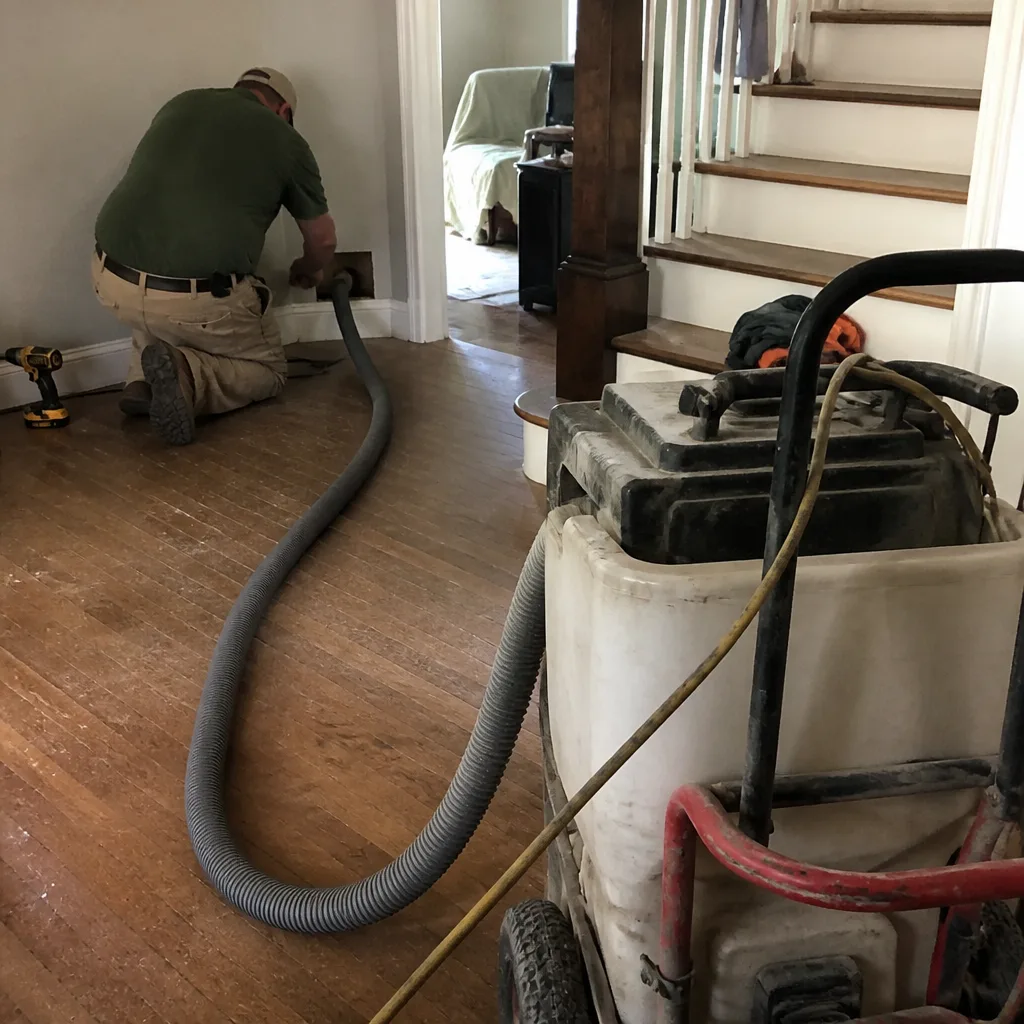 Before
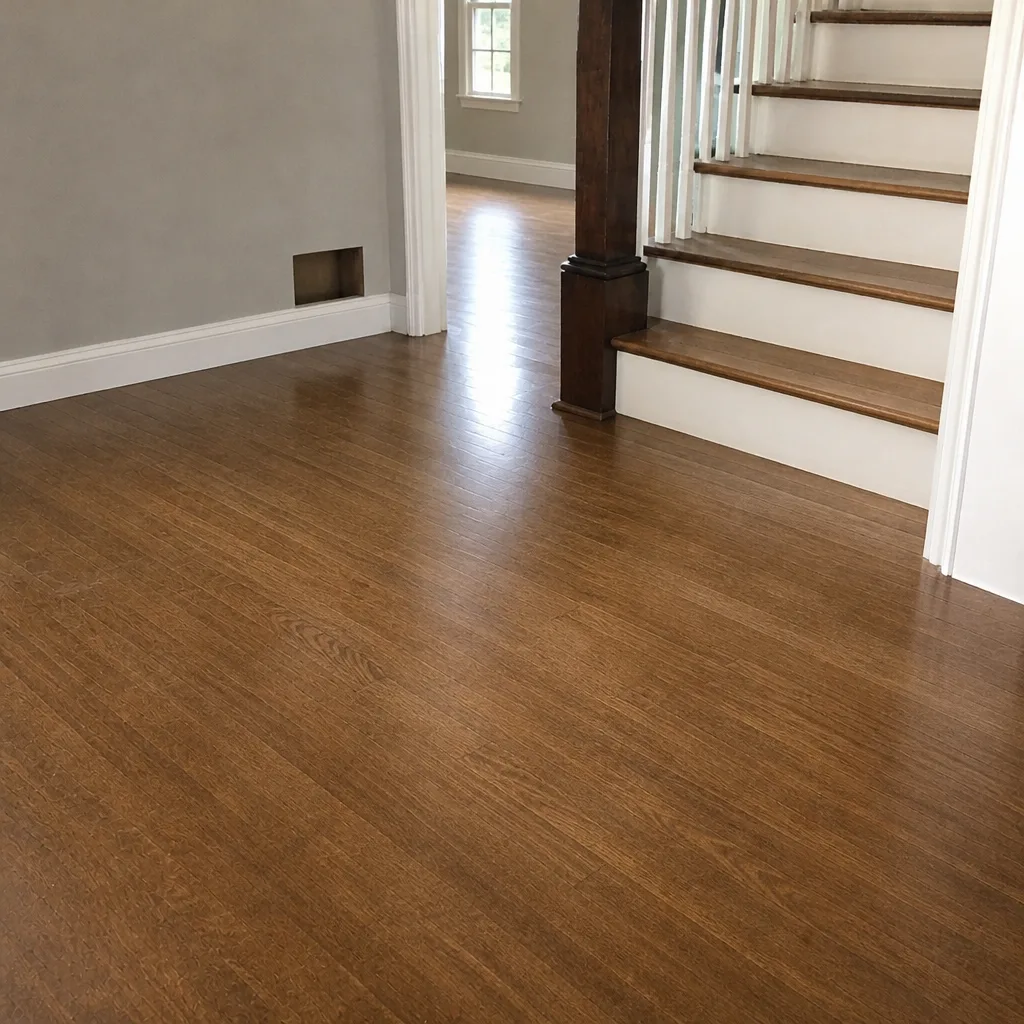 After
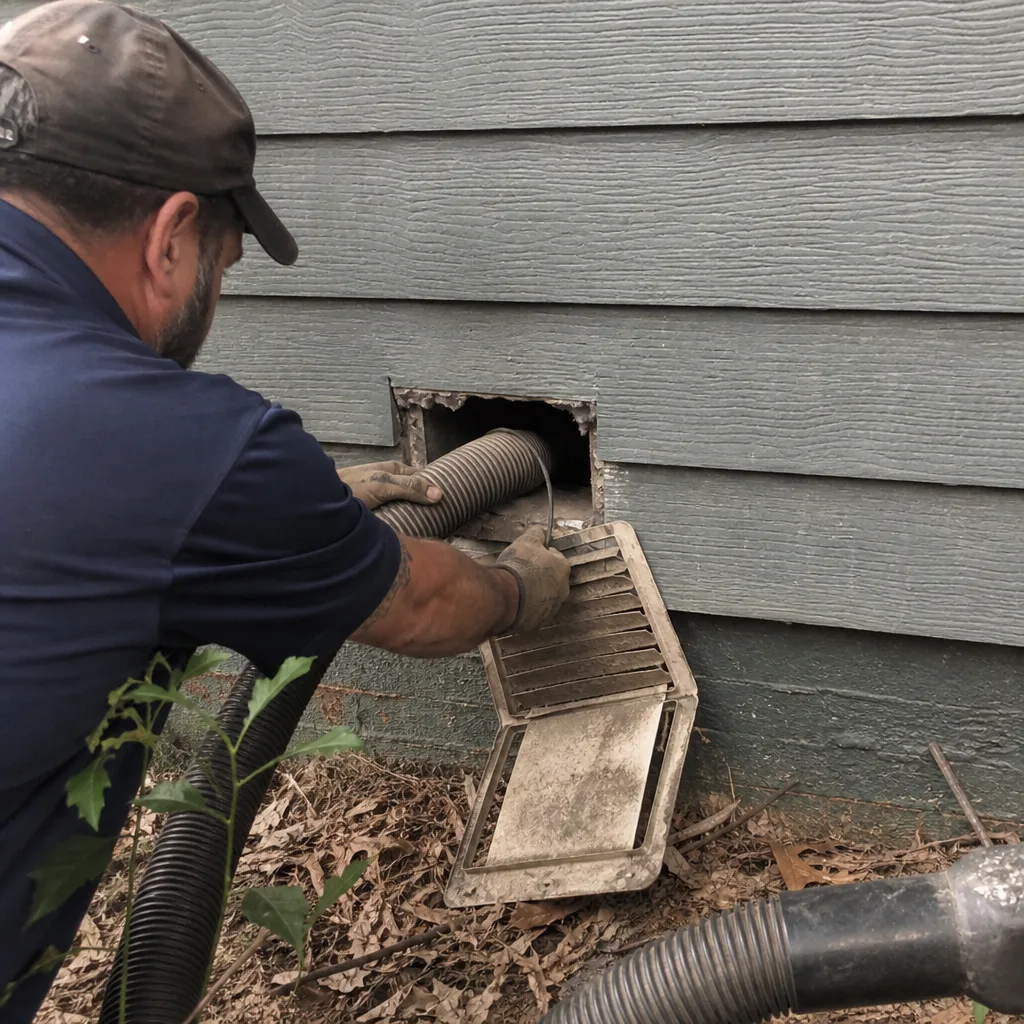 Before
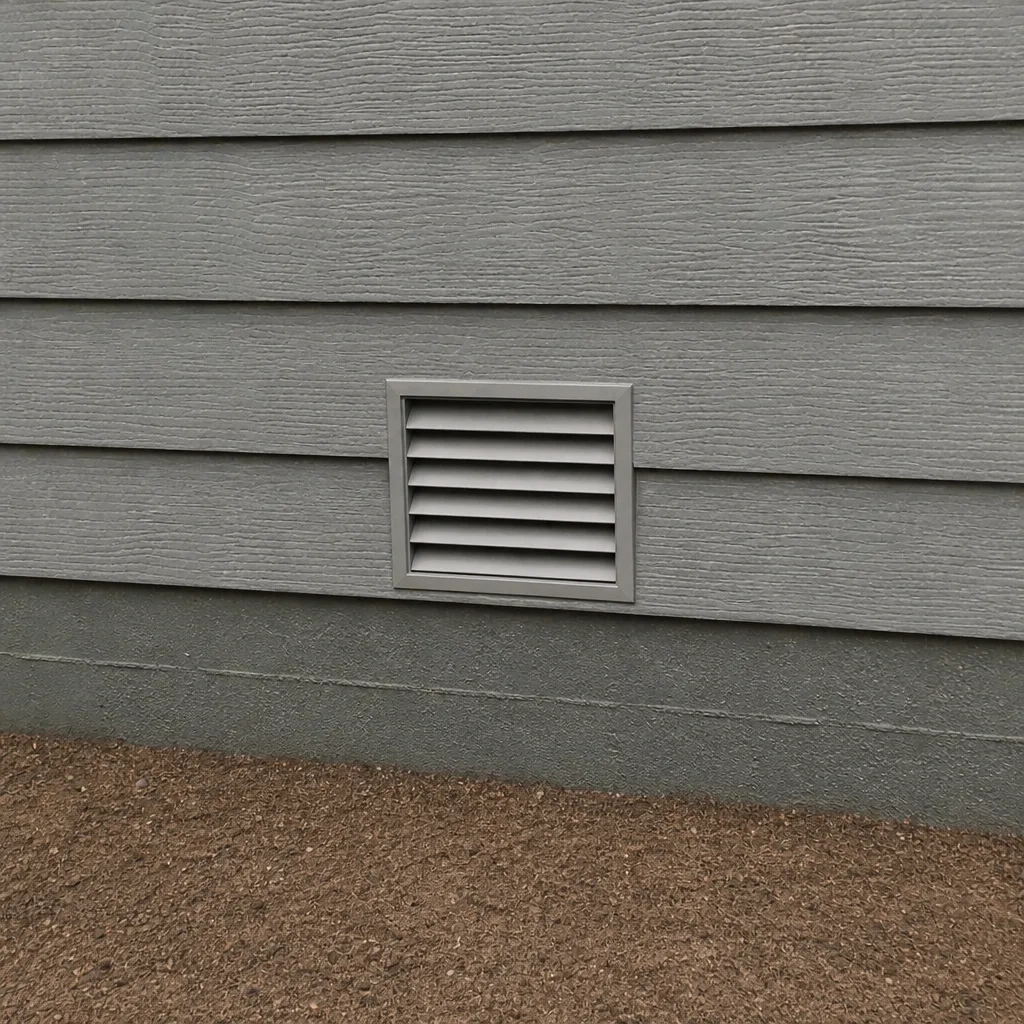 After
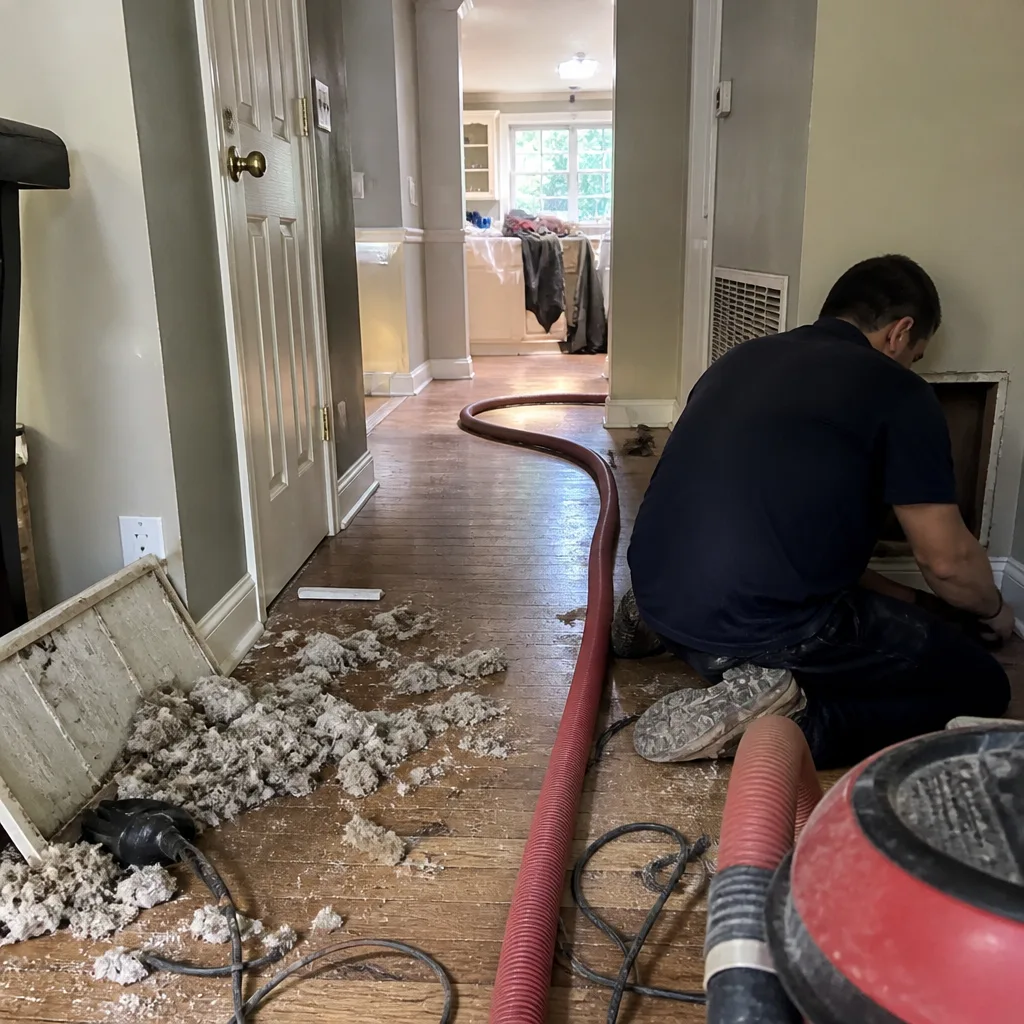 Before
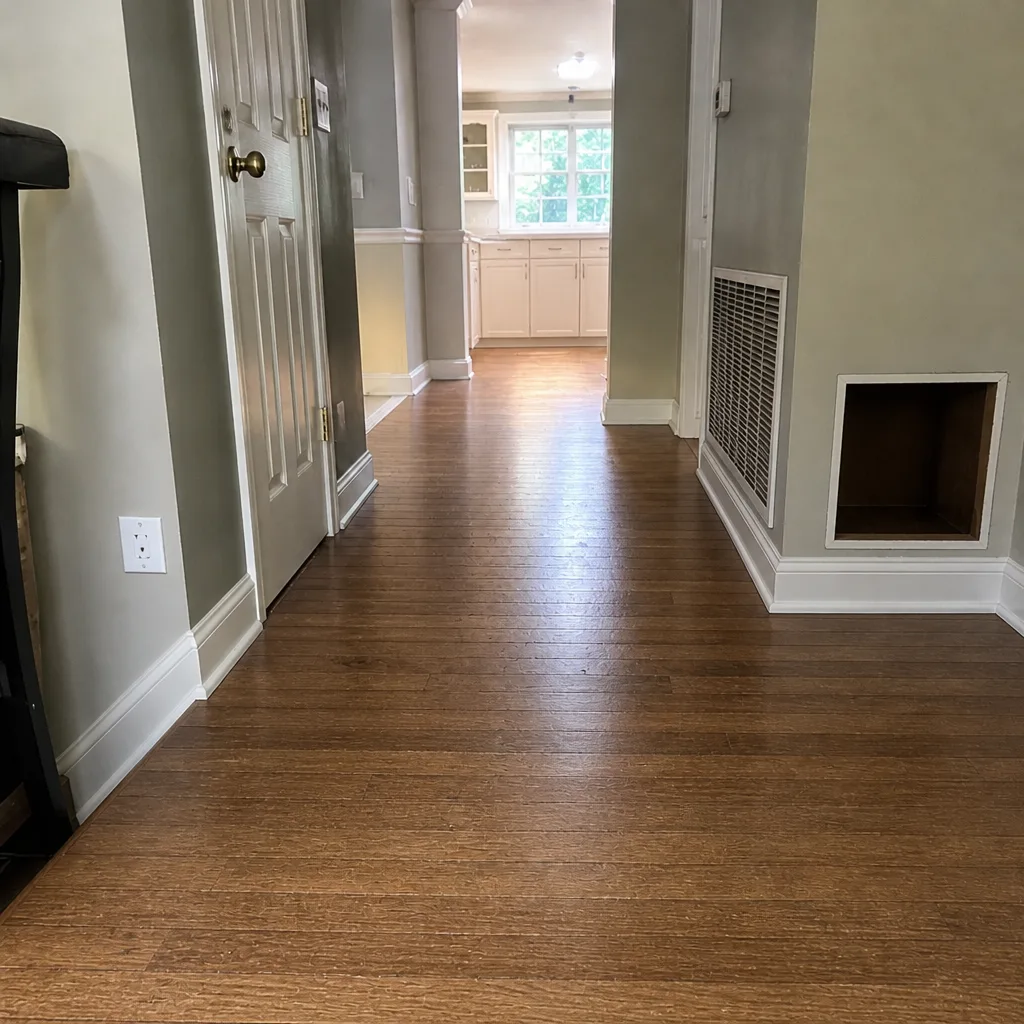 After
When to Call a Professional
Duct cleaning isn’t a service every home needs on a schedule. It’s called for when the system has accumulated debris or when something has compromised the air quality inside the home. The most common triggers: a recent renovation or major remodeling project that pulled dust into the return system, a newly purchased Hayes Barton home where you don’t know the prior owner’s maintenance history, a recent HVAC replacement where the new equipment is about to run through old ductwork, or allergy and respiratory symptoms that began after work was done in the house. Visible dust blowing from supply registers, musty odors when the system starts, or an unexplained spike in dust accumulation on surfaces are all signs to have the system inspected.
Air Duct Cleaning Hayes Barton offers free estimates in Hayes Barton – call (833) 468-5692. We’ll assess the system, walk through the four questions honestly and write a scope before any work starts.
Frequently Asked Questions
No. Air duct cleaning is not a licensed trade in North Carolina, so there’s no state credential to check. That means the burden of vetting falls on you – ask the four technical questions (vacuum CFM, contact cleaning tools, blower protection, before-and-after photos) and confirm NADCA certification rather than relying on a license that doesn’t exist. Call (833) 468-5692 for an exact quote – estimates are free.
Pricing in the Hayes Barton and Raleigh market depends on the number of supply and return runs, whether duct repair or sealing is needed, and whether sanitizing and dryer vent cleaning are part of the job – which is why quoting by the vent is misleading. We price per system, in writing, and the written estimate sets the final price. Call (833) 468-5692 for a free estimate.
Cheap quotes in this trade are usually priced per vent with a base that covers only a few runs, or priced without ever inspecting the system through access panels. The price grows on site. A legitimate quote is priced per system after an inspection, with a written scope naming access points and runs. Ask for that scope and compare it to the low quote. Call (833) 468-5692 – estimates are free.
Ask for before-and-after photos of your own ducts, taken through the access panels at the start and end of the job. Then ask for a post-cleaning walkthrough so you can see the panels resealed. Put photo documentation in the scope before work starts so it isn’t a question later. Call (833) 468-5692 and we’ll walk through what documentation you’ll get.
There’s no fixed schedule that fits every home. Cleaning is called for after a major renovation, after a home purchase, after an HVAC replacement, or when you notice dust blowing from registers, musty odors on startup, or allergy symptoms that began after work in the house. Homes with pets, smokers or recent remodeling tend to need it sooner. Call (833) 468-5692 for a free estimate on your Hayes Barton home.
Membership means the company has joined the association. Certification means an individual technician has completed NADCA’s training and passed its exam, and the company has met the requirements to hold the credential. Ask specifically whether the technician coming to your house holds a current certification, and whether the company follows NADCA’s assessment and post-cleaning verification standards.
The Bottom Line
Hiring a duct cleaning contractor in Hayes Barton comes down to replacing the credentialing North Carolina doesn’t provide with questions the contractor can’t dodge. Ask about vacuum CFM, contact cleaning tools, blower protection and before-and-after photos. Verify whether the technician is NADCA certified rather than just a member company. Demand a written scope that names access points, supply and return runs, and whether coil inspection is included. Price per system, not per vent. Skip the coupon-ad operations that quote from the doorstep and push foggers before inspection. Add dryer vent cleaning to the scope since it’s a fire-safety issue, and confirm the equipment is commercial-grade before you book. Our technicians have up to 10 years of experience, and we’re equipped with Rotobrush, Nikro and Abatement Technologies systems for source-removal work. We also service homes with Honeywell and Aprilaire air quality equipment.
Call (833) 468-5692 for a free estimate. We answer 24/7. Fast dispatch from 7am to 7pm, Sunday through Friday.
Written by the team at Air Duct Cleaning Hayes Barton.