
Last updated November 23, 2026
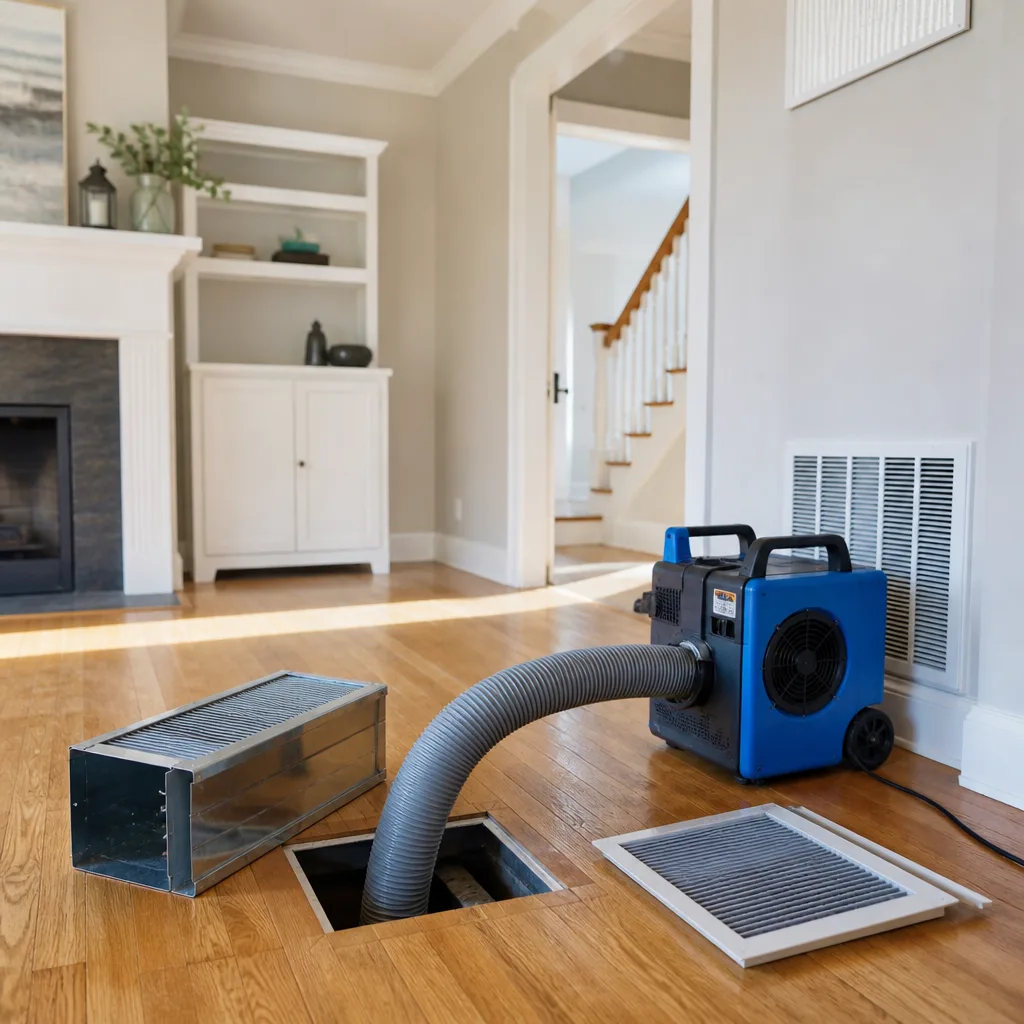 Whole-home duct cleaning
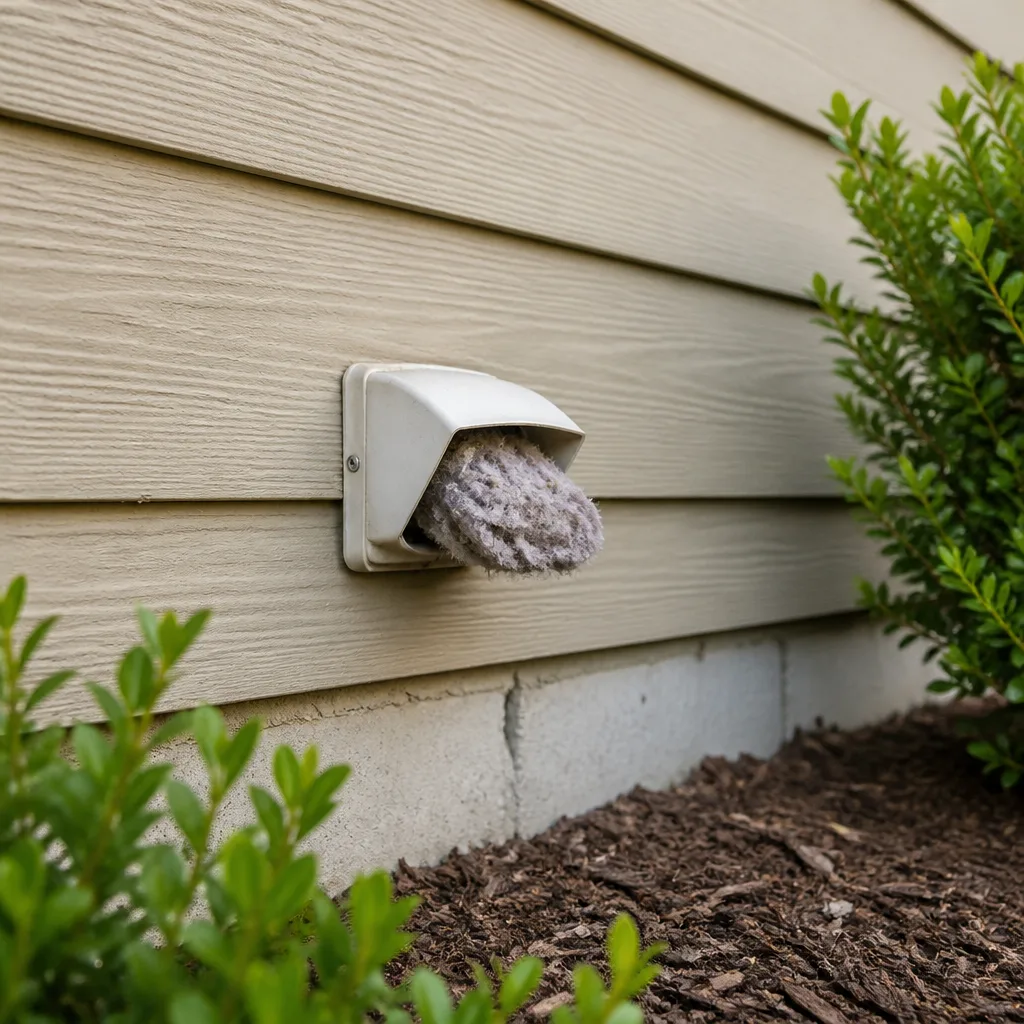 Dryer vent cleaning
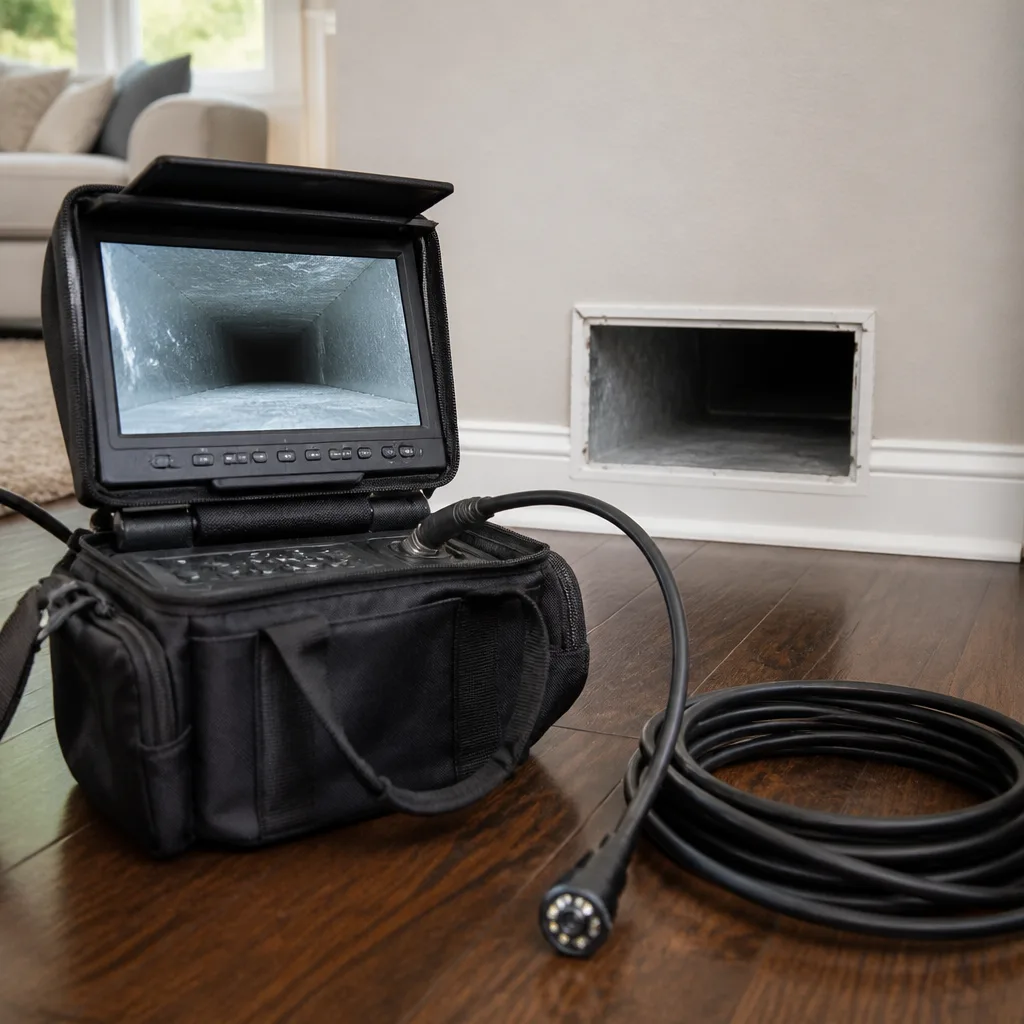 Camera inspection
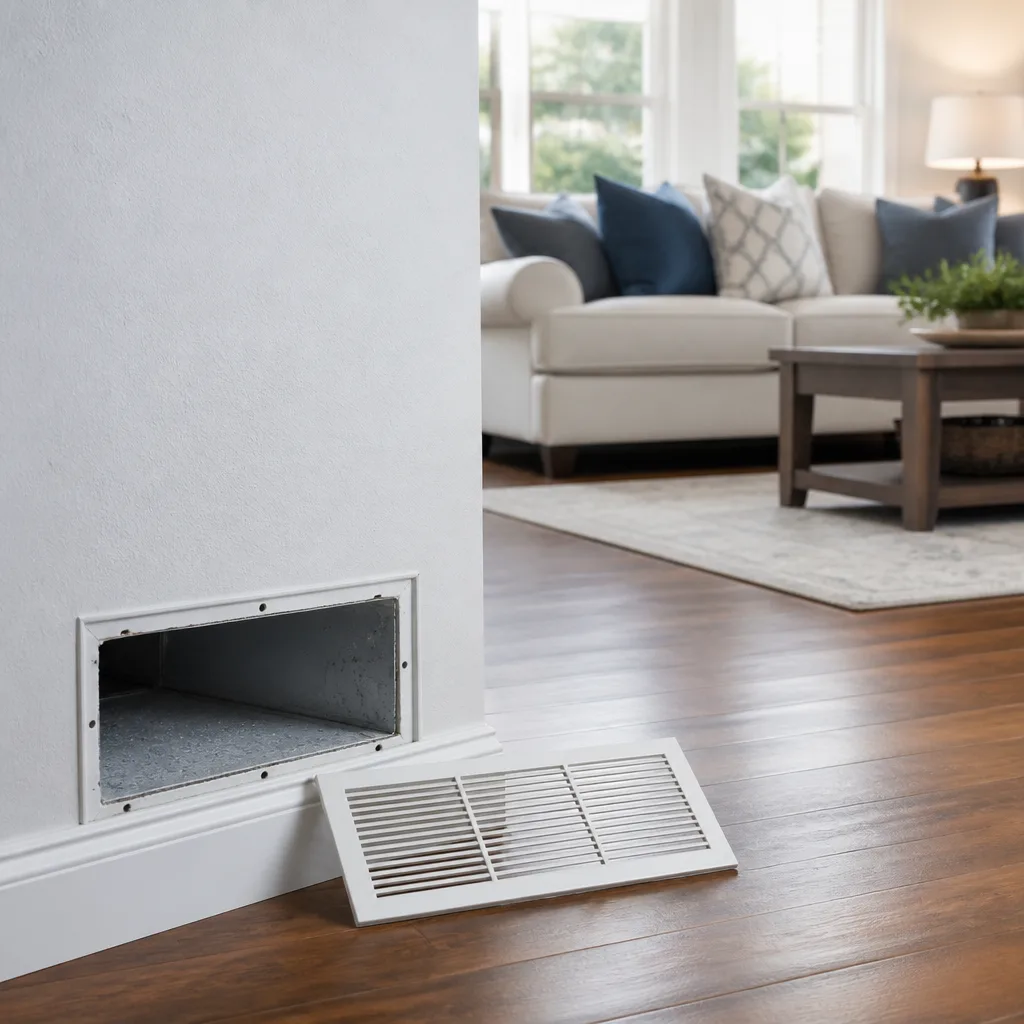 Sanitizing & deodorizing
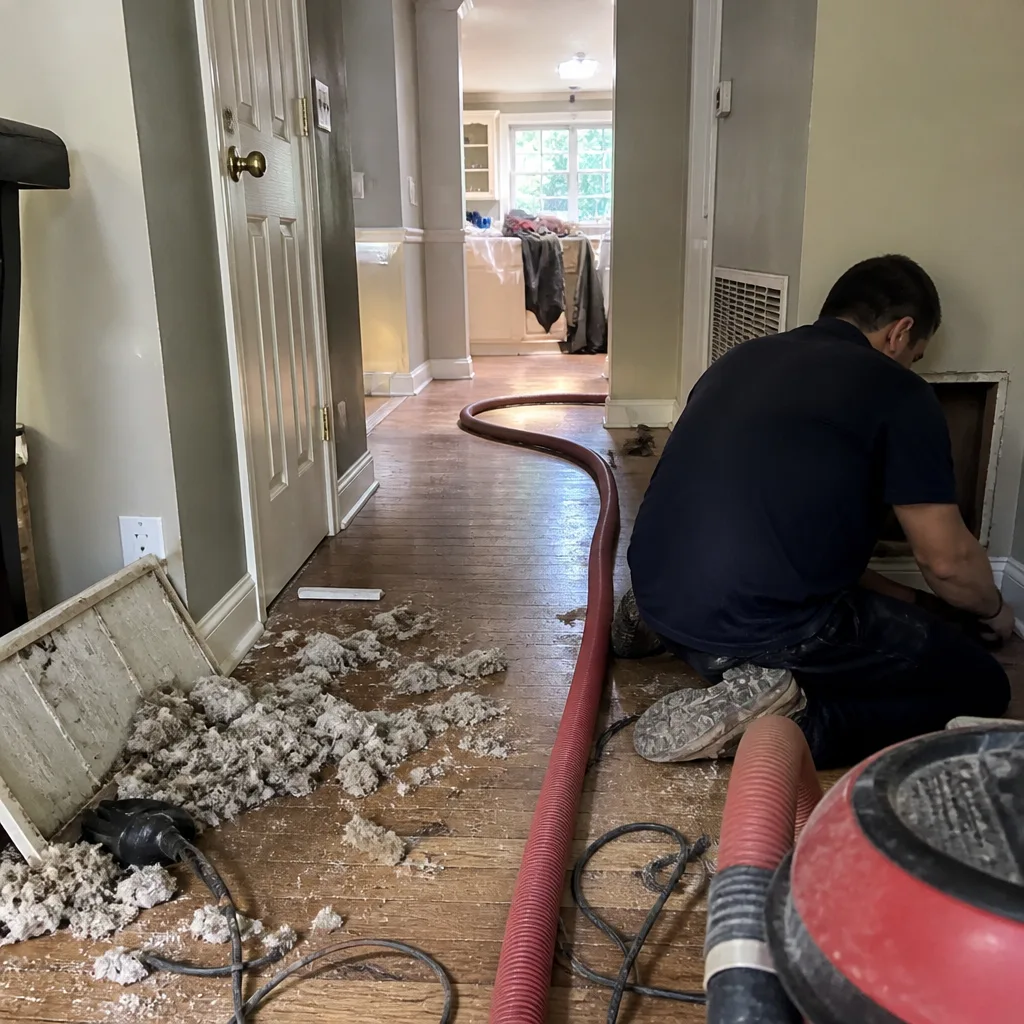
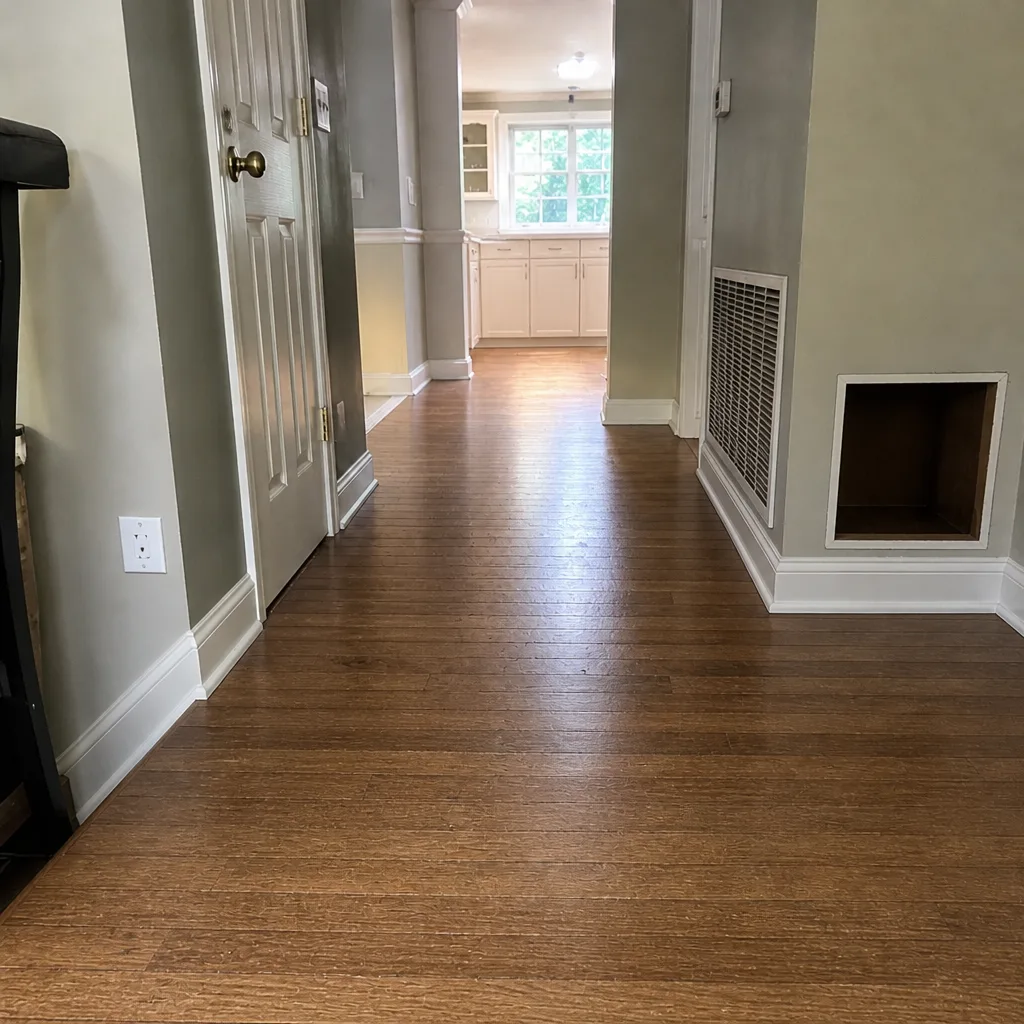
Whole-system duct and dryer vent check with before-and-after photos - you see exactly what came out of your vents
That "$99 whole-house special" is a bait ad - the real number appears once they are in your hallway, or the "clean" is a shop-vac at the register. We photograph the inside of your ducts before and after instead.
Seasonal Air Duct Cleaning Care for Hayes Barton: Year-Round Homeowner’s Guide
Most homeowners think about their ducts once, right after a renovation or an HVAC replacement, and then not again. That’s the misconception worth correcting up front. In Hayes Barton, your duct system faces four different kinds of pressure across a single year, and none of them look alike. Spring pollen, summer humidity, the fall heating switchover, and the closed-up winter house each load your ducts in a different way. A single annual cleaning doesn’t match that reality. What this guide does is walk you through what each season actually does to the air moving through your home, what to check at each transition, and how to build a one-page calendar that fits the way your particular Hayes Barton house was built.
Quick Answer
Seasonal air duct cleaning in Hayes Barton means inspecting and servicing your duct system at the four transition points of the year rather than once: after spring pollen peaks, before summer humidity climbs, at the fall heating switchover, and during the closed-up winter. The right response at each point depends on your home’s construction (crawlspace or attic runs), your filtration setup, and what the inspection actually finds. Not every transition calls for a full cleaning; some call for a filter upgrade or a sealing repair instead.
Styles & brands we work with
- Whole-home duct cleaning
- Dryer vent cleaning
- Camera inspection
- Sanitizing & deodorizing
Table of Contents
- Spring in Hayes Barton: The Post-Pollen Inspection Window
- Summer Humidity and Condensation Inside Flex Duct Runs
- Fall Switchover: The Highest-Risk Moment for Your Duct System
- Winter: When Your Ducts Recirculate Instead of Dilute
- Building a One-Page Seasonal Calendar for Your Hayes Barton Home
- Crawlspace vs. Attic Duct Runs: Why Construction Type Changes the Schedule
- Full Duct Cleaning vs. Filter Upgrade: How to Tell the Difference
- Dryer Vent Cleaning as a Year-Round Safety Habit
Spring in Hayes Barton: The Post-Pollen Inspection Window
Spring in Hayes Barton doesn’t just coat your car in yellow pollen. It loads your return air ducts with tree pollen at concentrations that can persist through summer if the system isn’t inspected after peak bloom. That’s the part most homeowners miss. They vacuum the porch, wash the windows, and never think about where all that pollen goes when the air handler pulls it through the returns.
The window that matters is the two to four weeks after peak bloom, once the yellow dust has settled and the trees have finished. That’s when an inspection tells you something useful. Before peak bloom, the return grilles look normal. During peak bloom, they look bad no matter what. After peak bloom is when you can actually see what stayed in the system.
What to check after peak bloom
- Return grilles and filter housings. Pull the return grille covers and look at the filter box and the first foot of duct behind the grille. A light film of fine dust is normal. A visible mat of pollen or debris on the filter face or caked on the boot means the system has been pulling more than the filter could hold.
- The filter itself. Check the filter’s loaded condition, not just its age. A filter that looks gray and matted after four weeks instead of three months is telling you the pollen load in Hayes Barton was heavy and your filter is undersized for the season.
- Supply register faces. A light dusting on supply registers is expected. Streaking or visible buildup on the ceiling around the register often points to a gap between the boot and the drywall, pulling attic or wall-cavity air into the supply stream.
- Coil and air handler access. If you have a service access panel, look at the coil face. Pollen that makes it past the filter will stick to a wet coil and stay there into summer. That’s where a light cleaning pays off.
When the inspection finds only a dusty filter face and a clean coil, a filter upgrade often does the job and full duct cleaning can wait. When you find visible accumulation on the boot, debris in the return trunk, or a coil that’s already coated, that’s the point where a full source-removal cleaning earns its cost. We use air duct cleaning with a Rotobrush rotary brush system for exactly this situation: mechanical agitation to break the pollen film off the duct walls, with simultaneous negative-air extraction so nothing gets pushed back into the airstream.
Summer Humidity and Condensation Inside Flex Duct Runs
Hayes Barton summers run humid, and that humidity is the reason summer is a distinct season for your duct system. When cool air moves through a duct run in a hot, humid attic or crawlspace, the duct’s outer surface is below the dew point of the surrounding air. If the duct’s insulation is compromised at any point, moisture condenses on the outside of the duct, and moisture on the outside of the duct eventually becomes moisture inside the duct. That’s the sequence worth understanding before cooling season peaks.
What to look for before summer peaks
- Insulation breaks on flex runs. Look at every accessible run in the attic or crawlspace. A flex duct with a torn outer jacket, a crushed section, or a run pulled tight against a joist has lost its vapor barrier. That’s where condensation forms first.
- Sagging runs. A flex duct that sags between hangers collects condensate at the low point. It also holds debris there. Both problems live in the same spot.
- Damp or musty smell at supply registers. A musty smell coming from a supply register in July or August is a strong signal that moisture has moved into the duct interior and something is growing there. Don’t wait until fall to address it.
- Water stains around boots and register openings. Any stain on drywall or ceiling around a register is a signal the boot isn’t sealed and humid attic air is bypassing the duct.
- Duct runs in a vented attic. Attic runs see the highest temperature differential, which means the highest condensation risk. If your Hayes Barton home has attic ductwork, this is the season to look closely.
The fix at this point is usually two parts. One is physical: repair or replace damaged flex runs and reseal the boots. The other is a proper HVAC cleaning that addresses the coil and air handler, since a coil that ran wet into mid-summer holds both moisture and the biological growth that comes with it. We use Abatement Technologies air filtration devices during service so dislodged particulates get captured rather than redistributed. And where the inspection finds growth inside the duct, a sanitizing treatment with EPA-registered products addresses it after the cleaning, not instead of it. Duct sealing and duct repair round out the same call, so the moisture source gets closed off, not just cleaned.
If you want to think about how this fits the fuller picture, our air duct cleaning Hayes Barton page lays out the whole service scope, and most of it stems from exactly this summer humidity pattern.
Fall Switchover: The Highest-Risk Moment for Your Duct System
The fall switchover from cooling to heating is the single highest-risk moment of the year for your duct system, and it’s the moment most homeowners skip entirely. The reason is simple. A heat exchanger runs hot. A heat exchanger with dust, debris, or accumulated lint on its surface runs hotter than it should. And an ignition source sitting inside a stream of combustible dust is a design element worth taking seriously once a year, not once a decade.
That’s what ties duct cleanliness directly to heating safety. The dust that settles in your return trunk and on the air handler interior during spring and summer doesn’t disappear when you flip the thermostat to heat. It sits there, and the first heating cycle of the season picks it up. If the accumulation is heavy enough, it lands on a heat exchanger that’s now running hotter than it should be.
The fall inspection sequence
- Before the first heating call, look at the return trunk and air handler interior. A visible coating of dust on the air handler floor or the return plenum walls is a signal that fall cleaning should happen before the furnace runs, not after.
- Have the heat exchanger inspected by an HVAC technician. A cracked heat exchanger is a carbon monoxide risk, not just an efficiency problem, and it’s correctly an HVAC technician’s job, not a duct cleaner’s. We flag it when we see signs of concern; a qualified HVAC technician confirms it.
- Check the filter housing seal. A filter that’s slightly undersized for its slot lets unfiltered air bypass it entirely. That bypass air is what deposits dust on the coil and the heat exchanger. A gasket or sealing strip at the filter slot fixes it.
- Confirm return grilles are drawing, not leaking. Hold a tissue to a return grille while the system runs. If it doesn’t pull firmly, there’s a leak downstream or a blocked filter.
- Clean before the switchover, not after. Once the heat is on, the dust has already been through a heating cycle. Doing the cleaning in October beats doing it in December.
This is also where working with brand-specific equipment matters. If your home has a Honeywell or Aprilaire whole-home filtration or humidification system, the fall check should include the filter media condition and the humidifier pad, since those systems interact with the duct airstream directly. An Aprilaire media cabinet that hasn’t been changed in a season may be loading the return system more than protecting it.
Winter: When Your Ducts Recirculate Instead of Dilute
Winter in Hayes Barton is a low-ventilation season. Windows stay closed for weeks. The house runs on recirculated air, which means every particle the system picks up stays in the loop until it’s either filtered out or removed. And that’s the difference worth knowing: a duct system that recirculates concentrates indoor particulates, while a well-sealed, clean system that brings in some outdoor air dilutes them.
You can assess which pattern your own home is running with a simple check. If you notice more dust settling on surfaces in January than in October, or if allergy-type symptoms get worse indoors during winter, the system is behaving like a concentrator. That’s not a filter problem alone; it’s a signal the duct system is holding what it can’t filter.
What to assess in a closed-up winter home
- Surface dust accumulation on a weekly basis. Compare a dusted surface after one week in winter versus the same surface after one week in spring. If winter buildup is noticeably heavier, the system is recirculating a heavier particulate load.
- Return-side leaks. A leaky return near an attic or crawlspace draws outside air into the return stream when the system runs. That’s a direct contaminant path, and in winter with the house closed up it matters more, not less.
- Bath and kitchen exhaust function. If bath fans and range hoods aren’t pulling air out, they’re not replacing it. A house that recirculates everything concentrates everything.
- Filter bypass at the cabinet. A filter that’s slightly short in its slot lets dust bypass filtration entirely. Sealing the slot with a strip of foam gasket takes a minute and improves filtration all season.
- Humidification check. If you’re running an Aprilaire or similar humidifier, the pad and the water panel should be checked at the start of winter. A scaled-up pad can’t humidify effectively and can become a source of biological growth in the airstream.
If the assessment points to a recirculating system, the fix is usually a combination of source-removal cleaning and duct sealing. The cleaning gets the accumulated particulate out, and sealing the leaks stops the outside air from being pulled in on the return side. We use Nikro negative-air extraction for the source-removal side, which keeps the dislodged material contained while it’s being removed. The sealing side is where the loop gets closed.
Building a One-Page Seasonal Calendar for Your Hayes Barton Home
The best calendar for a Hayes Barton house is one page, four lines, and it’s specific to your home, not to a generic rule of thumb. Here’s the framework we recommend, and what to fill in at each line.
- Spring (post-peak pollen, roughly late April to mid-May). Inspect return grilles, filter housing, and the first foot of return. Note the filter’s loaded condition. If the pollen load was heavy and the coil is dusty, book a cleaning. Line up a filter replacement on the calendar for early summer.
- Summer (early June, before humidity peaks). Walk every accessible duct run in the attic or crawlspace. Look for damaged insulation, sagging runs, and stains at boots. If you find any, repair the run and seal the boot. If the system smells musty at registers, book a cleaning and sanitizing treatment.
- Fall (before the first heating call, typically October). Inspect the air handler interior and return trunk for accumulated dust. Have an HVAC technician inspect the heat exchanger. Check the filter slot seal. If accumulation is visible, clean before the heating season, not after.
- Winter (start of the closed-up season, typically November). Compare surface dust buildup over one week against your spring baseline. Check the return-side for leaks. Check the humidifier pad and whole-home filtration media. If the house is recirculating, address leaks before the season runs long.
The one-page calendar gets pinned inside the air handler closet door or in the furnace room. Four lines, four check marks per year. That’s the whole system.
Crawlspace vs. Attic Duct Runs: Why Construction Type Changes the Schedule
Hayes Barton homes sit across a range of construction types, and the placement of the duct runs changes the seasonal schedule more than almost anything else. A crawlspace duct run and an attic duct run live in completely different environments, and they fail in different ways.
Crawlspace duct runs
A duct run in a vented crawlspace sits in a cool, damp environment most of the year. The condensation risk is highest in summer when cool supply air meets humid crawlspace air. And because crawlspaces are harder to access, damage goes unnoticed longer. The crawlspace inspection belongs in the early summer window, before the humidity climbs, and it should include a close look at any flex run that’s sagging, sitting on the soil, or has lost its outer jacket. A run lying on damp soil wicks moisture up into the insulation and doesn’t dry out.
Attic duct runs
An attic run spends the summer in extreme heat and the winter in near-outdoor cold. The summer risk is thermal: a long attic run has to travel through a hot space before it reaches a ceiling register, and any section with compromised insulation loses cooling capacity and gains condensation on the outside. The winter risk is different: an attic duct in a cold space offers only a small buffer against freezing, and a leaky return in that space pulls cold outside air directly into the system. Attic runs belong on the calendar twice: once in late spring for insulation and sealing, and once in fall for return-side leaks.
The practical difference
- Crawlspace: focus on moisture wicking, sagging runs, and insulation integrity in early summer.
- Attic: focus on insulation breaks and condensation in late spring, return leaks in fall.
- Mixed construction: a home with supply runs in a crawlspace and return runs in an attic needs both seasonal checks, not just one.
The reason this matters for cleaning scheduling, not just inspection, is that the location of the runs determines where debris accumulates. A crawlspace run that sagged collects debris at the low point. An attic run that lost insulation collects condensation and dust film at the same spot. The right cleaning at the right time addresses both. Our dryer vent cleaning is a separate calendar item entirely, and worth building into the same one-page schedule.
Full Duct Cleaning vs. Filter Upgrade: How to Tell the Difference
Not every seasonal inspection calls for a full cleaning, and recommending one when the system doesn’t need it wastes money and creates an unnecessary disruption. The distinction is real, and it’s worth being able to make the call yourself.
Filter upgrade is often enough when
- The return trunk is clean behind the grille and the filter face shows a light dust film.
- The supply registers are clean on their inner faces and there’s no visible debris on the register boot.
- The air handler interior is dusty in a light, uniform way, not in mats or deposits.
- The coil face looks mostly clean, without visible buildup.
- There’s no musty smell at registers and no visible staining around boots.
In that situation, upgrading to a higher-MERV filter or adding media filtration (an Aprilaire cabinet, for example) improves what the system removes without a full cleaning. It also holds the system cleaner going forward.
Full cleaning is warranted when
- There’s visible accumulation on the return boot, trunk, or plenum walls.
- Supply registers show visible debris, streaking on the ceiling around the register, or detached insulation fragmenting inside the duct.
- The coil shows visible buildup, especially after a heavy pollen season.
- There’s a musty smell at registers or a visible sign of biological growth inside the duct.
- The home has had a recent renovation, HVAC replacement, or move-in where the previous occupants’ maintenance history is unknown.
- There’s a known rodent, pest, or water intrusion event anywhere in the system.
When the second list applies, a filter upgrade is not going to solve it. What we recommend in that case is a full-scope indoor air quality service: source-removal cleaning with Rotobrush and Nikro equipment, sanitizing with EPA-registered products if growth is present, and duct repair or sealing if the inspection found leaks. One call for all of it, with before-and-after photos of your duct system so you can see exactly what was removed.
Our technicians have up to 10 years of experience diagnosing exactly this distinction, and walking through what the inspection found so you can make the call with the facts in hand. The written estimate agrees the price before any work starts, and it’s a flat price per system, not per vent.
Dryer Vent Cleaning as a Year-Round Safety Habit
Dryer vent cleaning is a fire-safety service, not a maintenance upsell, and it belongs on the seasonal calendar alongside the duct checks. A dryer vent that’s loaded with lint is a contained, combustible, hot-air system in a spot nobody looks at. That’s the whole problem. The seasonal layer on top of that is that lint loading depends on how much laundry is running through the house.
In practice, a Hayes Barton home that runs several loads a week reaches a lint-loaded vent faster than a home that runs two loads a week. The seasonal check is to look at the outside vent flap while the dryer is running. If the flap doesn’t open fully and hold open while the dryer runs, airflow is restricted. If the flap sticks or barely moves, the vent is restricted enough that cleaning should happen before the next load.
What to look at season by season
- Spring: outside vent flap test. Full opening under dryer load. Any restriction means book a cleaning.
- Summer: check the transition duct behind the dryer. If it’s crushed or kinked, it’s reducing airflow and creating a lint trap right at the dryer.
- Fall: check the vent termination outside the house. If it’s screened, make sure the screen isn’t matting with lint. If it’s unscreened, make sure no pest has nested in the run.
- Winter: a longer drying cycle is the signal. If your typical cycle time has grown noticeably, airflow has dropped.
Dryer vent cleaning is part of our full-scope indoor air quality service, not a separate offering, because a home that’s serious about what the family breathes is serious about the fire side of the equation too.
Common Mistakes to Avoid
- Cleaning ducts once a year and calling it seasonal care. One annual cleaning misses every transition. The seasonal approach is four inspection points, with cleaning triggered by what they find.
- Cleaning before the pollen has finished. A spring cleaning in mid-April in Hayes Barton gets redone by late May. The post-peak window exists for a reason.
- Ignoring the fall switchover because the heat “works fine.” A heat exchanger running hot because of dust accumulation isn’t a comfort problem; it’s a safety question that a technician should answer.
- Treating summer humidity as a comfort-only issue. Condensation inside a flex run isn’t just a damp smell. It’s the origin point of biological growth in the airstream, and it’s worth addressing before it spreads.
- Upgrading the filter and assuming the rest is fine. A higher-MERV filter doesn’t fix a leaky return boot or a sagged crawlspace run. Filtration and duct integrity solve different problems.
- Letting a dryer vent run a full year between cleanings without checking the outside flap. The flap test takes ten seconds and tells you almost everything.
- Skipping after a renovation or HVAC replacement. Any work that opens up walls, floors, or the air handler itself puts construction dust directly into the duct system. That’s a cleaning trigger, not a filter change.
See the difference
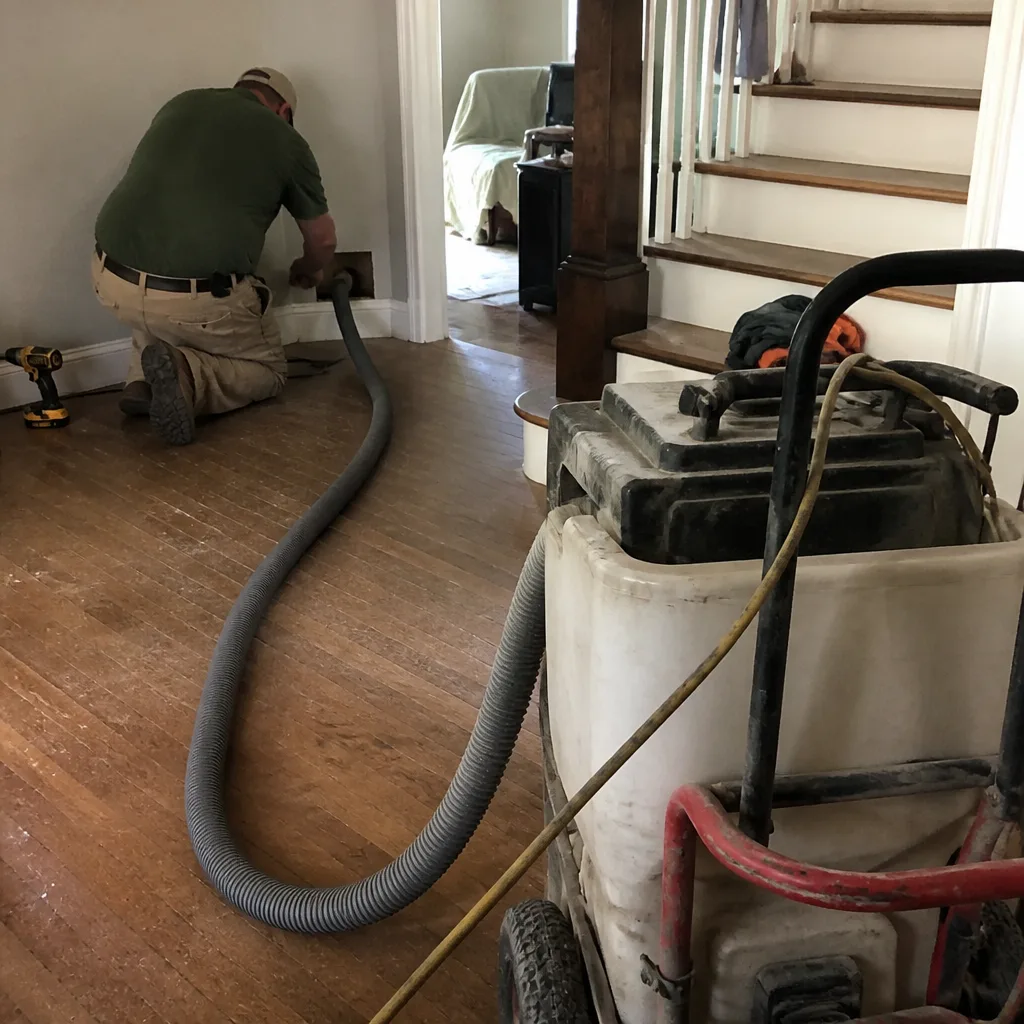 Before
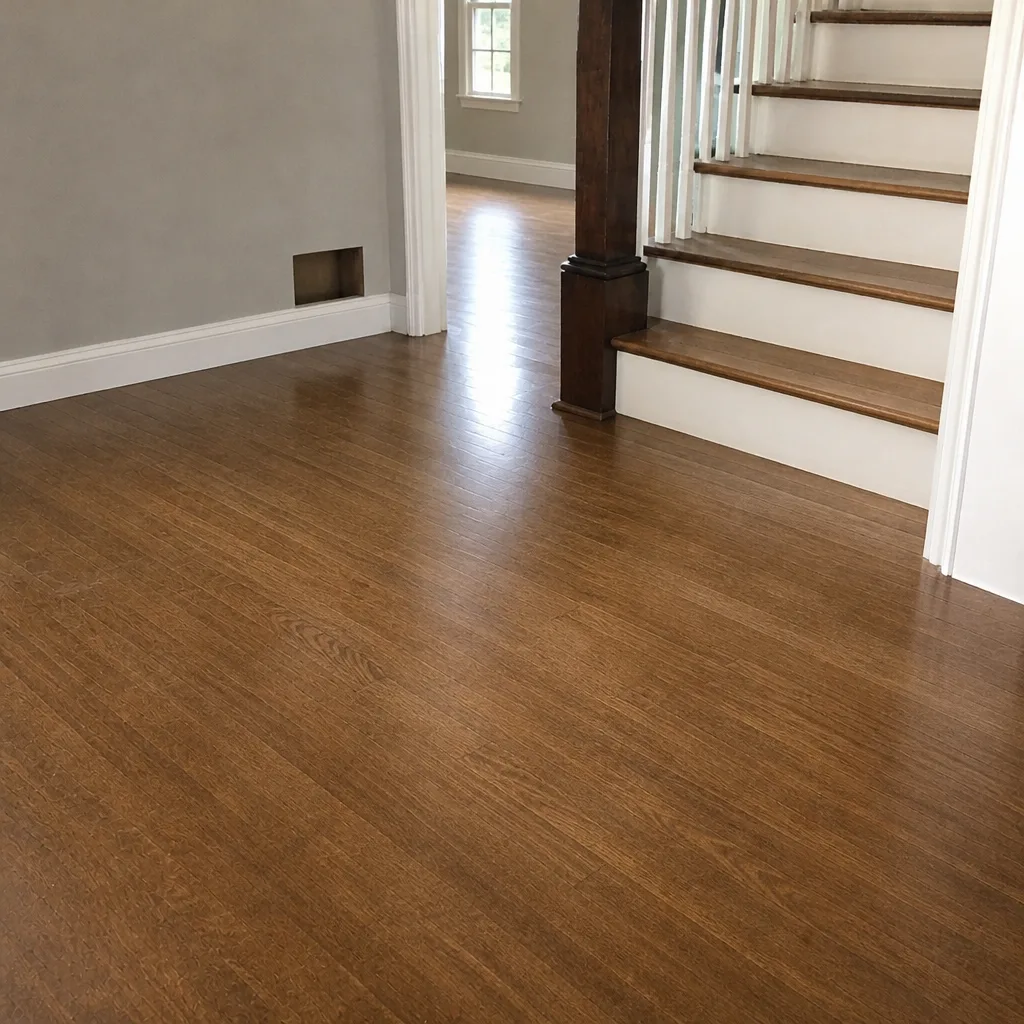 After
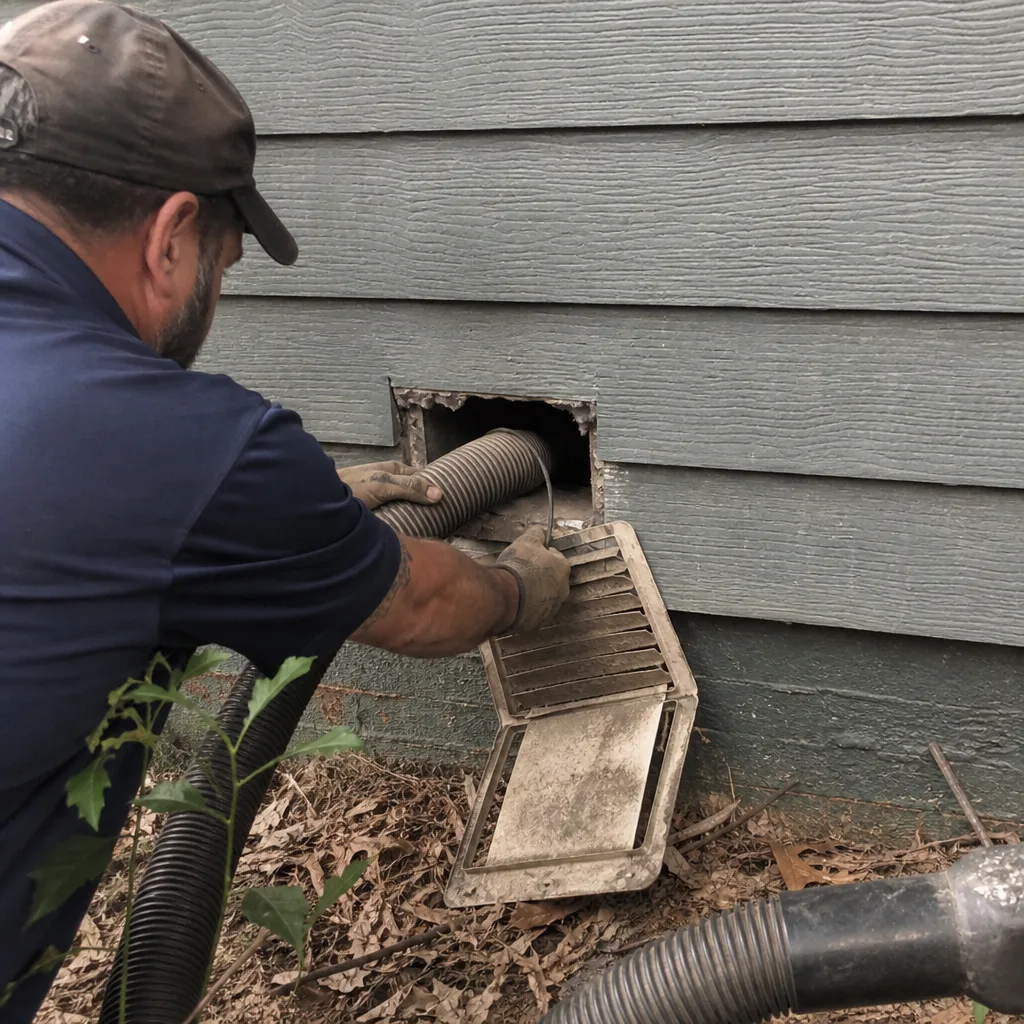 Before
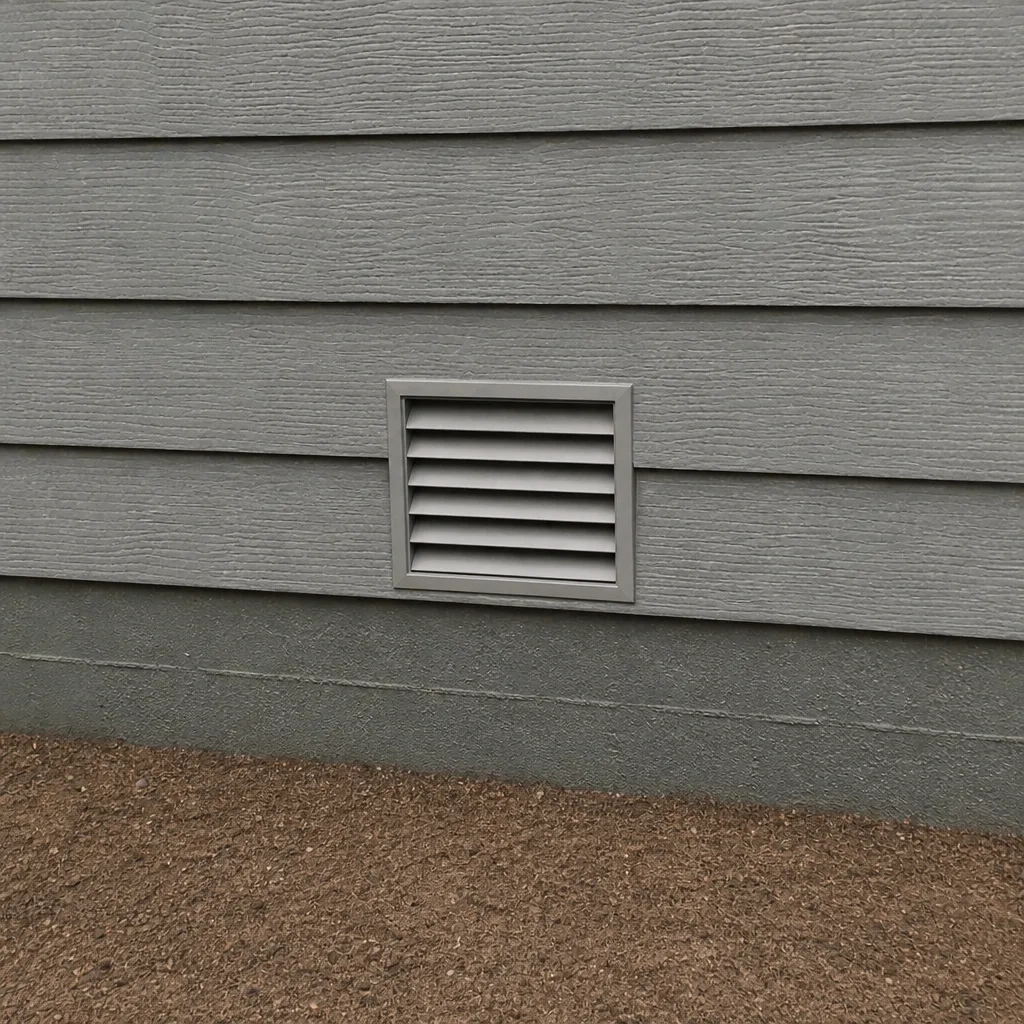 After
 Before
 After
When to Call a Professional
We recommend calling for an inspection when any of these apply: the fall switchover has arrived and you haven’t looked at the system since spring; you’ve had a renovation, HVAC replacement, or move-in in the last year; there’s visible dust at supply registers or a musty smell that persists; the home has a crawlspace or attic run that hasn’t been inspected in more than a year; the outside dryer vent flap doesn’t hold open under load; or you simply want a baseline inspection so your seasonal calendar is grounded in facts about your actual system.
Air Duct Cleaning Hayes Barton offers free estimates in Hayes Barton. We’ll walk through what the inspection found, explain the seasonal picture specific to your construction type, and give you a written estimate that sets a flat price per system before any work begins. Call (833) 468-5692. We answer 24/7. Fast dispatch from 7am to 7pm, Sunday through Friday.
Frequently Asked Questions
Most Hayes Barton homes benefit from an inspection at all four seasonal transitions and a full cleaning every two to three years, with cleaning triggered earlier if the inspection finds heavy accumulation. The post-pollen-peak inspection in spring and the fall switchover inspection are the two most important, and if either finds visible buildup, cleaning moves ahead of the calendar.
Cheap quotes are usually per-vent pricing that covers a quick pass without containment or source removal, and they’re often a teaser price that grows once the technician sees the system. A quote based on flat pricing per system with negative-air containment and mechanical agitation costs more upfront because it does more work. The number that matters is the written estimate, not the teaser. Call (833) 468-5692 for an exact quote; estimates are free.
No. A higher-MERV filter improves what the system removes from the airstream going forward, but it doesn’t remove accumulated debris from duct walls or repair a leaky boot or a sagged flex run. Those are physical problems that filtration can’t fix. Call (833) 468-5692 if you want an inspection to see which one your system needs.
Yes, when the duct runs sit in a humid attic or crawlspace. Cool supply air inside a duct in a hot, humid space creates condensation on the outside of any run with compromised insulation, and that moisture finds its way inside the run. A late spring inspection catches the insulation damage before the peak humidity. Call (833) 468-5692 to book an inspection.
The fall switchover is the moment your heat exchanger runs for the first time in months, and it’s the moment when accumulated dust in the return trunk or on the air handler interior is most likely to reach the heat exchanger. Cleaning before the first heating call reduces that risk. Call (833) 468-5692 to schedule a pre-switchover inspection.
Ask for before-and-after photos of your own duct system, not stock images. A source-removal cleaning with containment equipment should show visible difference at the boots, trunks, and air handler interior. Ours are taken during the job on your system. Call (833) 468-5692 for a free estimate and ask what photos you’ll get.
The Bottom Line
Hayes Barton’s four seasons each put a different kind of load on the duct system, and the seasonal approach is what matches that reality. Spring pollen needs a post-peak inspection. Summer humidity needs a look at flex runs and insulation before the peak. The fall switchover is the highest-stakes moment for heating safety and duct cleanliness together. Winter, with the house closed up, puts the system into recirculating mode where every particle stays in the loop. Build a one-page calendar with four lines, pin it inside the air handler closet, and let the inspections tell you when a filter upgrade is enough and when a full source-removal cleaning earns its cost. Our technicians have up to 10 years of experience making exactly that distinction. When it’s time to walk your system, call (833) 468-5692. We answer 24/7. Fast dispatch from 7am to 7pm, Sunday through Friday.
Written by the team at Air Duct Cleaning Hayes Barton.