
Last updated November 23, 2026
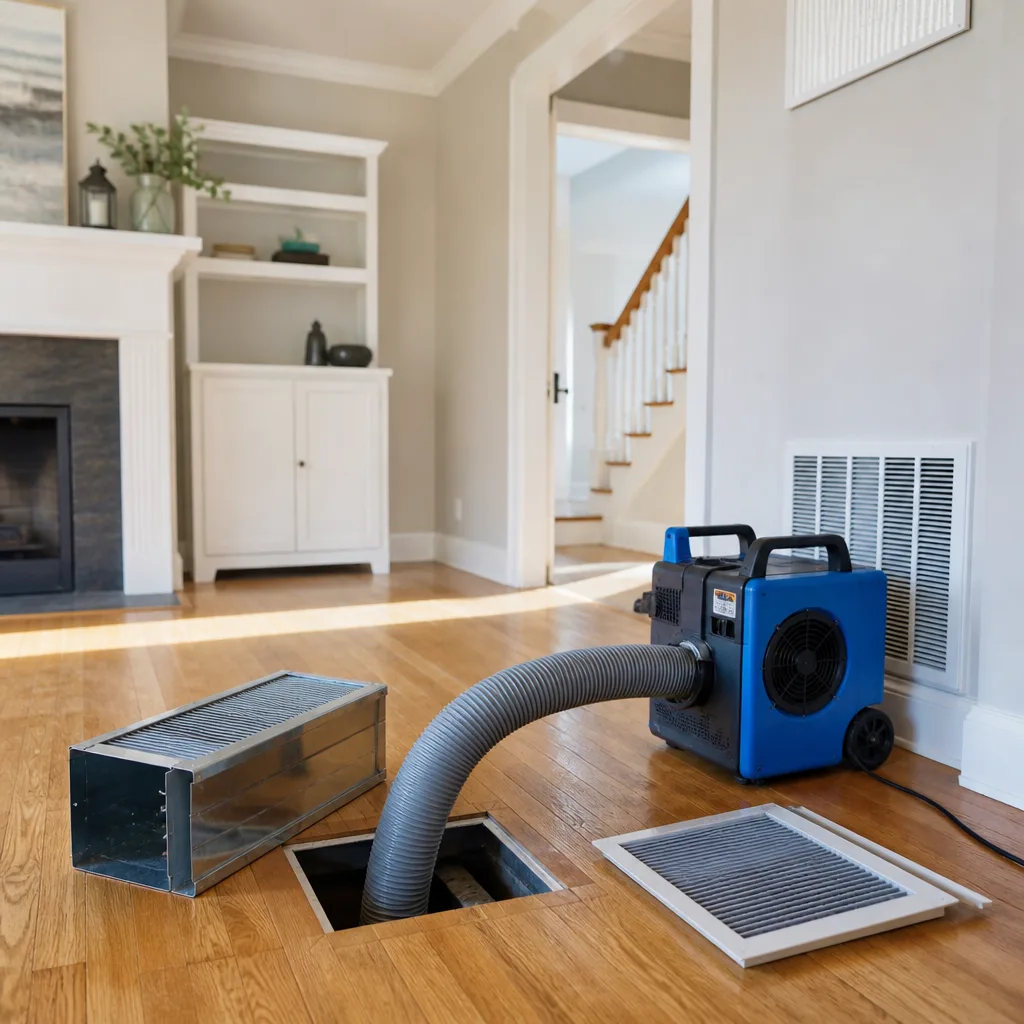 Whole-home duct cleaning
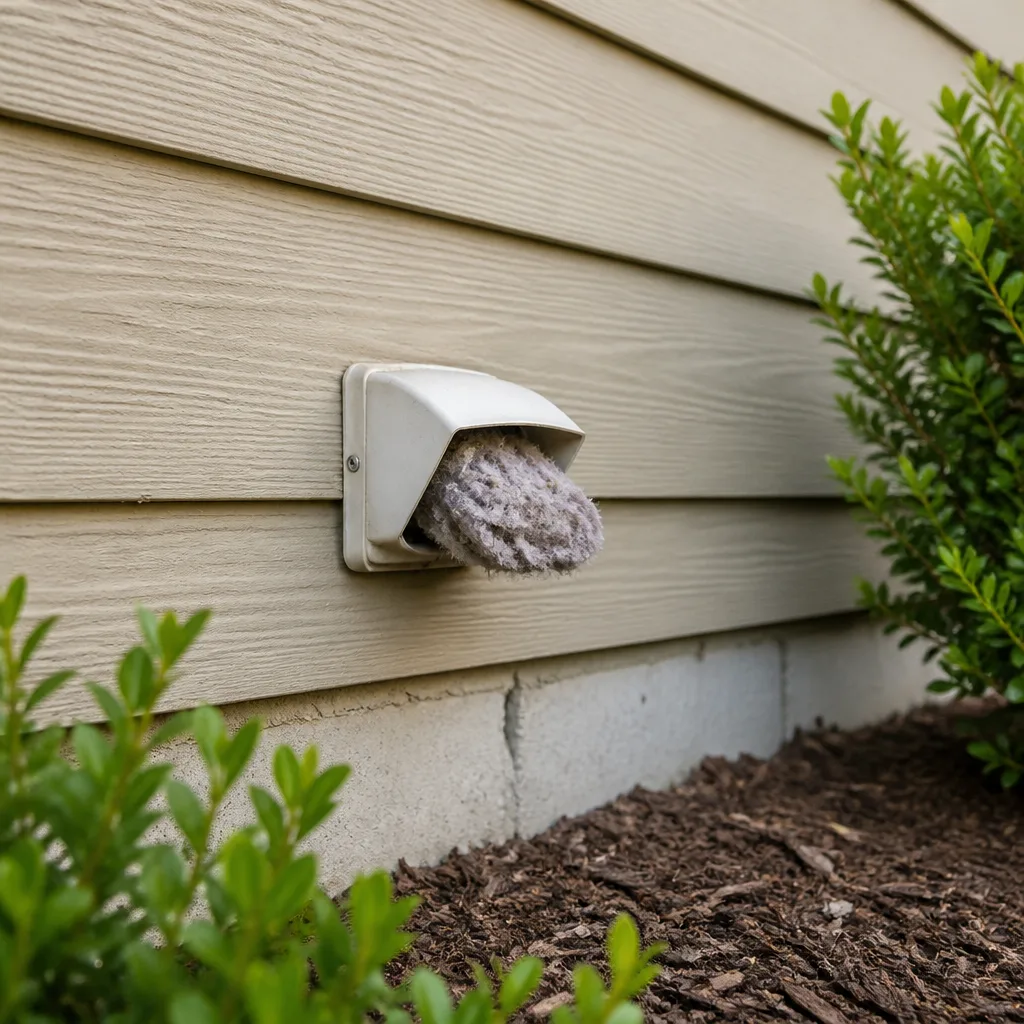 Dryer vent cleaning
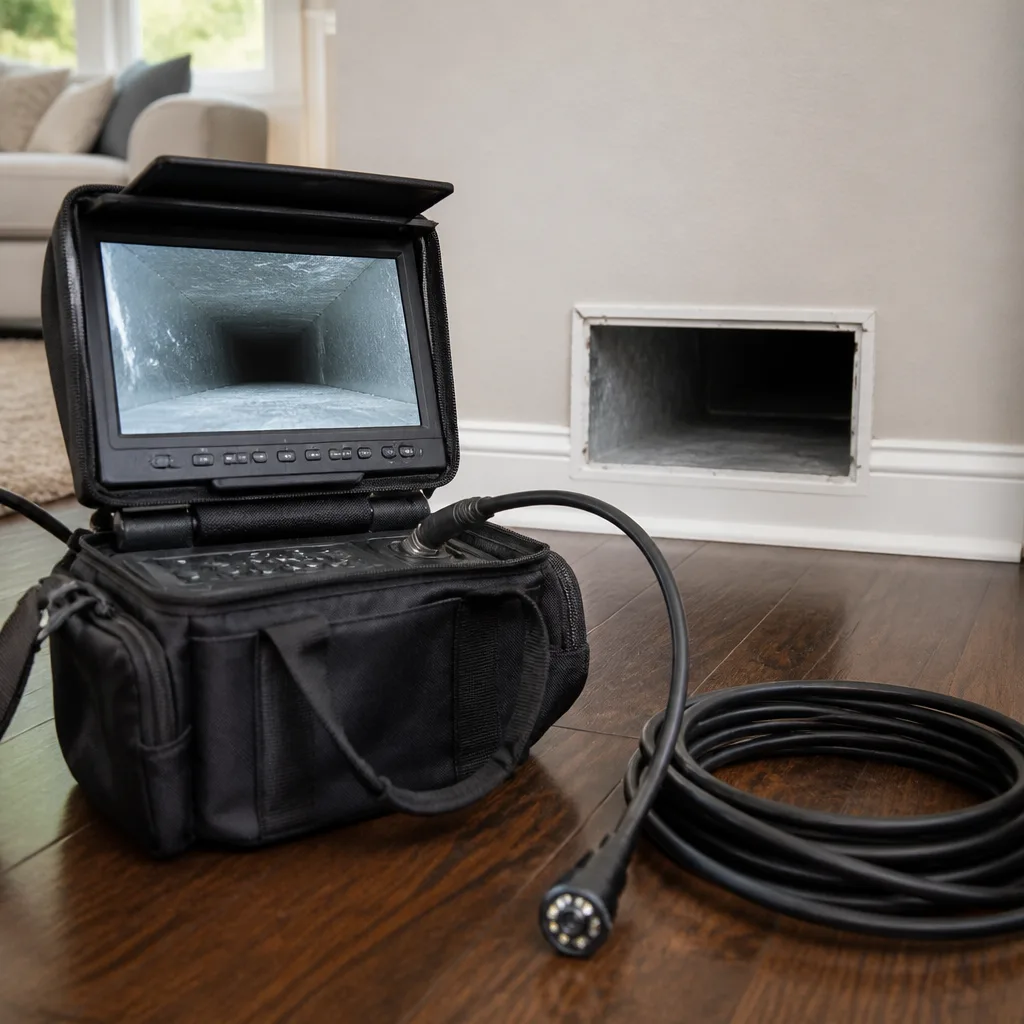 Camera inspection
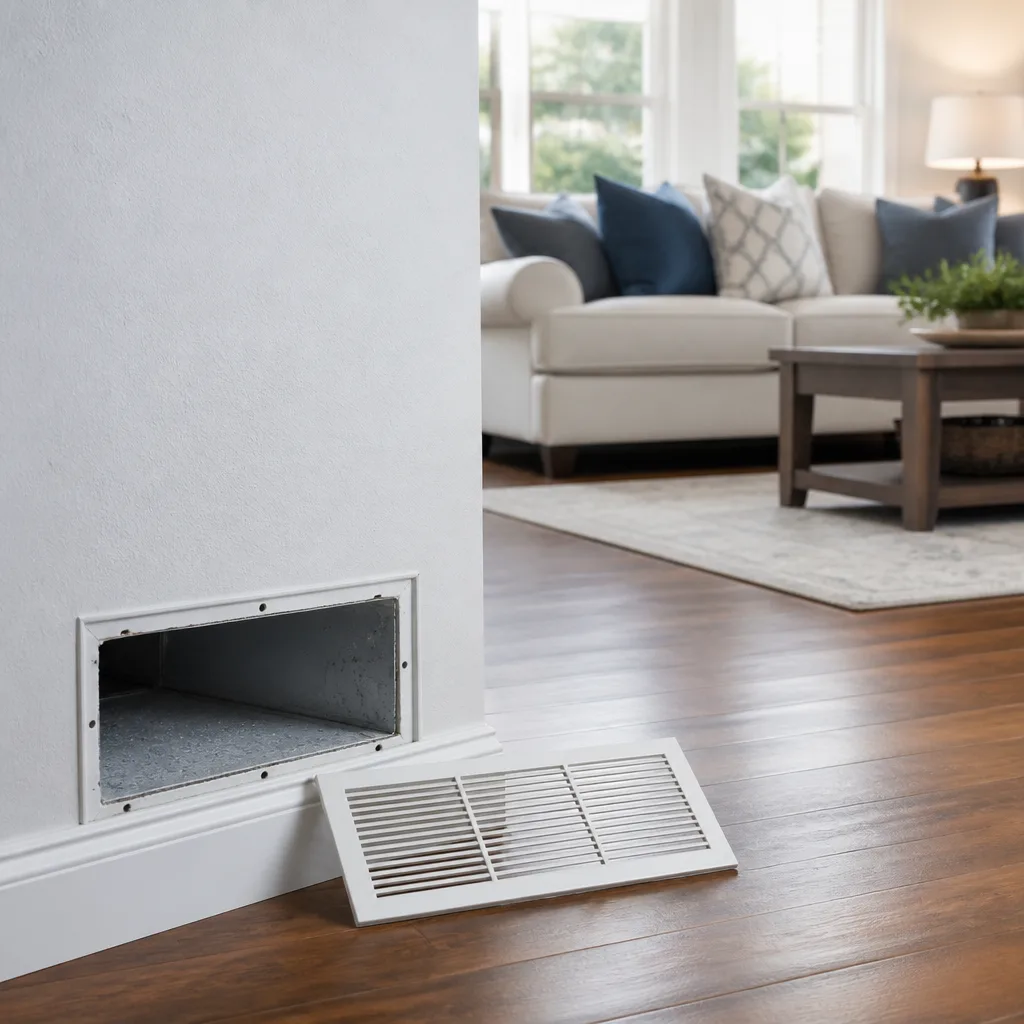 Sanitizing & deodorizing
Whole-system duct and dryer vent check with before-and-after photos - you see exactly what came out of your vents
That "$99 whole-house special" is a bait ad - the real number appears once they are in your hallway, or the "clean" is a shop-vac at the register. We photograph the inside of your ducts before and after instead.
Air Duct Cleaning Warning Signs: A Hayes Barton Homeowner’s Reference Guide
Visible dust blowing from a supply register feels like the moment you discover a problem. In practice, it’s the last warning sign to appear. By the time dust is puffing out of a vent, the inside face of your duct liner, the coil face at the air handler, and the blower wheel have been collecting contamination for months, sometimes years. The signs that matter most show up quietly: a change in static pressure, a musty smell that only appears when the system starts, a humidity reading that drifts upward without rain. This guide teaches you to read those signs before they become visible, and to tell which symptoms point at the ducts, which point at a leaking return, and which point at a failing HVAC component so you call the right specialist first. It’s written from Hayes Barton, where the crawlspace housing stock changes how these signs appear.
Quick Answer
The main warning signs of duct contamination in a Hayes Barton home are: debris or film visible on the register grille and the supply boot, a musty smell that intensifies at system startup and fades after a few minutes, unexplained indoor humidity spikes during mild weather, dark streaks around vent edges, and a rise in allergy symptoms when the system runs. Visible dust blowing from registers is a late-stage sign, not an early one. If you smell burning at heat activation, see rodent droppings near the air handler, or see active mold growth on duct surfaces, stop using the system and call for evaluation.
Styles & brands we work with
- Whole-home duct cleaning
- Dryer vent cleaning
- Camera inspection
- Sanitizing & deodorizing
Table of Contents
- The Symptom Map: Dust, Pressure, or Biology?
- The Five-Minute Register Inspection You Can Do Today
- Odor Diagnostics: Three Smells, Three Different Answers
- Crawlspace Home Warning Signs in Hayes Barton
- Which Signs Are Urgent and Which Are Routine
- Filter and Filtration Signs You Can Read Monthly
- The Dryer Vent: A Separate Safety Check
- What Source-Removal Cleaning Actually Involves
The Symptom Map: Dust, Pressure, or Biology?
Most homeowners treat every duct complaint as one problem. They’re actually three, and each one has a different fix. Misreading which one you have is the single most common reason people spend money on the wrong service and end up frustrated.
Duct contamination is a particulate problem. The ducts have an accumulation of dust, lint, pet hair, construction debris, or settled drywall dust on their interior surfaces. Symptoms lean toward: visible film or residue on registers, dust returning to horizontal surfaces faster than it used to, a slight musty smell, and allergy-type symptoms that track with system run time. The fix is cleaning: mechanical agitation to loosen what’s bonded to the surface, then extraction with negative pressure so the dislodged material leaves the house instead of settling in another room. This is where a tool like the Rotobrush rotary brush system does its job, and why a plain shop vac can’t do the same work.
Duct leakage is a pressure and thermal problem. Supply or return ducts have separated at a joint, torn at a boot, or pulled loose at a collar, and conditioned air is escaping into a crawlspace, attic, or wall cavity instead of reaching the room. You don’t see dust. You see imbalance: rooms that never cool, rooms that never warm, a system that runs longer than it should, and humidity that won’t come down. The fix is duct repair and sealing, not cleaning. Cleaning a leaking duct system treats the symptom and leaves the actual problem in place.
Coil fouling is a biological and efficiency problem. The evaporator coil has a mat of material across its face, the drain pan holds standing water, and something is growing there. The signs are a stubborn musty smell that doesn’t fade after startup, a drop in cooling capacity, and often a service call for low airflow that finds the coil caked. The fix is HVAC cleaning at the air handler plus correction of the drain and filtration issue that caused it, and sometimes a sanitizing treatment.
If you’re not sure which category you’re in, that’s normal. Start with the register check below. It takes five minutes and tells you whether the issue is likely particulate contamination, which is the only symptom set that points to cleaning right away.
The Five-Minute Register Inspection You Can Do Today
A register inspection won’t tell you everything, but it gives you an objective read on debris type and load without spending a dollar. Do it with the system off.
- Turn the system off at the thermostat. Give the fan a minute to spin down so you’re not inspecting against moving air.
- Remove one supply register in a room you use most. Most are held by two screws or a friction fit. Set the screws somewhere you won’t lose them, since a missing register screw is how grilles end up rattling.
- Shine a flashlight up into the supply boot and down the first few feet of the duct. Look at the metal or flex liner surface, not the grille.
- Wipe with a white cloth or a white paper towel. Reach as far up the boot as your arm allows and wipe a strip along the duct’s bottom surface.
- Read the cloth. Light gray dust that wipes off easily is normal background. A dark, felted, sticky, or greasy film is heavier contamination. Gritty material suggests construction dust or failing flex liner. Fuzzy or lint-like material on a return suggests a broken filter seal or a filter that’s bypassing. Black spotting, especially in a damp cluster, warrants a real look.
- Repeat on one return grille, if you can reach it. Returns carry far more load than supplies and usually tell the clearest story.
- Look at the grille edges and the drywall around the register. Dark streaking around the edges of a supply grille is often air blowing past an unsealed boot and pulling dust out of the wall cavity. That’s a sealing problem as much as a cleaning one.
Write down what you saw, along with the date. That record helps a technician confirm what you’re describing, and it gives you a baseline to compare against in six months. If your cloth comes back only lightly gray and the inside of the boot looks clean, you likely don’t have a contamination problem worth cleaning for. If the cloth comes back dark and felted, keep reading.
Odor Diagnostics: Three Smells, Three Different Answers
Smell is the most reliable sign most homeowners have, and the most misdiagnosed. The timing of the smell, not its strength, tells you what you’re dealing with.
A musty smell that appears at startup and fades after a few minutes
This points to settled contamination in the ducts and the air handler cabinet. When the fan starts, the first air movement lifts material that’s been sitting quietly since the last cycle, and you smell it in the first blast. After a few minutes the load stabilizes and the smell drops off. This pattern is the classic sign of duct contamination and a lightly fouled cabinet, and it’s the most common reason a Hayes Barton homeowner starts looking into air duct cleaning. Along with cleaning, the source matters: a damp crawlspace, a high-MERV filter that isn’t seated, or a return that pulls from a moist basement will recontaminate the ducts if the moisture source isn’t corrected.
A persistent musty smell that doesn’t fade
This points to an active moisture problem or biological growth somewhere in the system, most often at the coil or drain pan. It’s more serious than the startup pattern because the source isn’t just settled dust. Don’t treat it with a spray. The moisture source has to be found, the coil face and pan inspected, and the system cleaned, dried, and often sanitized with an EPA-registered product. If you see visible dark growth on the coil face or duct liner, or a musty smell that’s stronger in one room, treat it as urgent and get it evaluated before running the system.
A burning or hot-metal smell at heat activation
This one deserves a pause. A faint smell on the first heat cycle of the season is usually dust burning off the heat exchanger, and it clears. A persistent burning smell, an electrical or plastic smell, or a smell paired with a visible haze at a register is not a duct-cleaning symptom. Shut the system off and call an HVAC technician for inspection before you run heat again. The same holds for any smell of exhaust or fuel. Do not confuse these with the musty smells above, and don’t treat them with duct cleaning.
Crawlspace Home Warning Signs in Hayes Barton
Hayes Barton’s housing stock leans heavily on crawlspace construction, and that changes how duct problems present. A duct system running through a vented crawlspace is exposed to outdoor humidity and radiant heat, and it fails differently than a system running through a conditioned basement or an attic.
Three signs deserve a closer look in a crawlspace home:
- Unexplained indoor humidity spikes. If your indoor humidity climbs noticeably during mild weather when the AC isn’t running hard, and outdoor humidity isn’t unusually high, suspect a compromised duct. Loose flex duct at a collar, a torn inner liner, or a separated trunk connection lets crawlspace air enter the return. That air is humid, often musty, and sometimes warmer than you expect. The fix is repair and sealing, and on a Hayes Barton crawlspace system that usually means re-taping and re-supporting the runs, not re-running them.
- Visible flex duct sag seen through a floor vent. Look up into a supply boot in an older room and you may see the flex duct itself. If the run sags more than a gentle bow, or if the liner has collapsed, the duct has lost its shape and is restricting airflow. A sagging run also traps moisture and debris at the low point. That’s a duct repair issue, not a cleaning one, though cleaning often makes sense afterward.
- A musty smell concentrated in ground-floor rooms. Because the ducts sit low, and returns often pull near the floor, a ground-floor concentration of musty smell suggests the return is pulling crawlspace air or pulling from a fouled return boot. Smell that’s uniform across both floors points more to the air handler. Smell concentrated at the floor points to the ducts.
If you’re seeing any of these, our technicians have up to 10 years of experience reading duct systems in this kind of housing, and it’s worth a professional look. A proper inspection uses a camera in the trunk and a look at the boots, not just a flashlight at the register.
Which Signs Are Urgent and Which Are Routine
Homeowners tend to flatten this distinction in both directions. Some see one dark register and call for an emergency. Others see black spots on the duct liner and wait. Getting the tiers right saves you from both panic spending and dangerous delays.
Tier 1: Urgent, stop using the system and get it evaluated
- Visible mold growth on duct surfaces, the coil face, or the drain pan. This isn’t a “clean it when you get to it” issue; it’s a moisture and biological problem that gets worse with every cycle.
- Rodent activity inside the duct system. Droppings, nesting material, or the smell of urine near a register mean the ducts are carrying material you don’t want in your air. That’s a cleaning and sanitation job with source removal, plus a fix for the entry point.
- Smoke or fire residue from a kitchen fire, a nearby fire, or a wildfire smoke event that pulled particulates into the system. Smoke residue is acidic, it coats surfaces, and it re-enters the air supply. It doesn’t clear with a filter change.
- Any burning or electrical smell at heat activation, which points to an HVAC component and not the ducts.
Tier 2: Prompt, get on the schedule
- A dark, felted film on the register cloth with a startup musty smell and no other symptoms.
- A recent renovation where the ducts weren’t sealed off during work. Drywall dust and construction debris travel through the system and settle in the trunk and boots.
- A recent HVAC replacement where the old coil and cabinet weren’t cleaned before the new equipment went in. New equipment on a dirty plenum shortens its life.
Tier 3: Routine, worth monitoring
- Light gray dust on the register cloth, no smell, no symptoms.
- A home purchase where you don’t know the history. Cleaning is reasonable if you want a known starting point, but it’s rarely urgent.
- Pet hair accumulation in return boots, which usually reflects filter choices more than a real contamination problem.
If you’re in Tier 1 and unsure whether the growth is mold, don’t handle it yourself. Get it evaluated, and avoid running the fan until you have an answer.
Filter and Filtration Signs You Can Read Monthly
Your filter only does its job if it’s the right filter, seated correctly, and changed on schedule. Those three things are worth checking yourself, and a problem in any of them shows up as duct symptoms even when the ducts aren’t the source.
- A dirty filter in two weeks. If you’re changing filters far more often than you used to, the ducts are likely feeding the filter with material, or a filter seal has failed and unfiltered air is bypassing into the cabinet.
- Visible dust on the return grille face. The grille should be filtering air; if dust is piling on the outside, the filter is either wrong-sized, seated loosely, or bypassing at the edges.
- A filter slot that lets the filter flop. A filter that doesn’t fit snugly is the most common cause of a dirty air handler cabinet. It’s a small fix with a large effect on how often the ducts need attention.
- Whole-home filtration equipment that isn’t working. Homes with Honeywell or Aprilaire filtration and humidification systems have a layer of air quality control that most duct cleaners don’t think about. If the media cabinet is bypassing or the humidifier is running wet when it shouldn’t, the ducts see it. We work with those systems specifically, so the fix addresses filtration and ductwork together rather than treating them as separate jobs.
The point isn’t that you need a better filter. It’s that filtration, duct cleanliness, and sealing work as one system. Changing only one of them usually brings the symptoms back.
The Dryer Vent: A Separate Safety Check
Dryer vents are often mentioned in duct cleaning lists as if they’re the same job. They aren’t. The duct system moves conditioned air for comfort; the dryer vent moves heat, moisture, and lint out of the house. A clogged dryer vent is a fire risk, not an air quality annoyance, and it’s worth a check independent of any duct cleaning decision.
Signs your dryer vent needs attention:
- Clothes take noticeably longer to dry, or a load needs a second cycle to finish.
- The dryer is hot to the touch on top or at the door after a cycle.
- Lint is collecting around the lint trap housing, behind the dryer, or at the outside vent flap.
- The outside vent flap barely opens, or doesn’t open at all, while the dryer is running.
- A musty or hot smell in the laundry area after a cycle.
We treat dryer vent cleaning as a dedicated safety service rather than an add-on. If any of the signs above are present, or if you’ve never had the vent cleaned, it’s worth scheduling on its own. It’s a short job and it addresses one of the more common causes of residential fires.
What Source-Removal Cleaning Actually Involves
Understanding the process is how you tell a real cleaning job from a quick pass with a shop vac. The standard most reputable providers work to is source-removal cleaning: agitate the contamination on the duct surface, contain it so it doesn’t spread into the home, and extract it out of the system entirely. Here’s how that work typically goes.
- Inspection first. The technician inspects the air handler, the trunk lines, and a sample of supply and return runs, usually with a camera. This is also when leaks, disconnected boots, and moisture problems are noted, since those affect whether cleaning will hold.
- Containment and negative air. Before any cleaning begins, an air filtration device is set up in the work area to capture particulates that get disturbed. Equipment like Abatement Technologies filtration units is used for this. It’s the step that keeps the dust out of the living room.
- Mechanical agitation. A rotary brush system is fed through the supply and return runs to loosen material that’s bonded to the duct surface. A vacuum alone won’t get it off; the brush is what actually separates it. The Rotobrush is the tool of choice for this because it agitates and extracts at the same time.
- Negative-pressure extraction. A high-capacity vacuum with negative pressure draws the loosened material out of the system and into a collection unit. Equipment like the Nikro line is built for this. The ducts stay under negative pressure while the work is happening, so the air in your home doesn’t get dustier.
- Air handler and coil. The blower wheel, the cabinet interior, and the coil face are cleaned as part of the same job. Cleaning only the ducts and leaving a fouled coil is how a clean system gets recontaminated in one cooling season.
- Sanitizing where needed. When there’s biological growth or odor, an EPA-registered sanitizing product is applied inside the cleaned system. This is a follow-up to cleaning and drying, not a substitute for it.
- Repair and sealing. Separated collars, torn flex, and unsealed boots are re-taped, re-supported, or sealed. On a Hayes Barton crawlspace system, this is often where the humidity problem is actually solved.
- Verification. The technician shows before-and-after photos of the ducts and the air handler, so you can see what was there and what came off.
Believe the photos. If a provider won’t show you what was inside your own system before and after, that’s the difference between a service and a sales pitch. For a fuller look at the process, our air duct cleaning in Hayes Barton service page walks through the same workflow in more detail.
Common Mistakes to Avoid
- Assuming dust at the register is the first warning sign. It’s the last one. The startup musty smell, the humidity drift, and the dark streaks around vent edges all show up earlier. If you’re waiting for visible dust, you’ve missed the earlier tells.
- Booking a cleaning when the problem is a leak. A duct system that’s pulling crawlspace air into the return isn’t dirty, it’s leaking. Cleaning it removes the current contamination but leaves the source, and the same humidity and smell come back. Ask whether repair and sealing are part of the job, not just cleaning.
- Treating a musty smell with a spray. Sanitizing a system that’s still damp or still has a moisture source is a temporary fix. The source has to be found and corrected first, or the growth returns.
- Mixing a burning smell with a duct cleaning call. Burning or electrical smells point to an HVAC component, not duct contamination. Calling the wrong specialist delays the right fix, and in the case of a heat exchanger problem, that’s a safety delay.
- Ignoring the dryer vent because the ducts were just done. They’re separate systems and separate risks. Cleaning the supply and return ducts doesn’t touch the dryer vent lint load.
- Running the system during active rodent or mold activity. Both recirculate material you’d rather not breathe. Stop the fan and get the system evaluated before running it again.
- Skipping the crawlspace inspection on a home purchase. New-to-you homes in Hayes Barton often come with duct runs whose history nobody can tell you, sometimes patched with whatever tape was on hand. It’s worth a look before you assume the ducts are clean.
See the difference
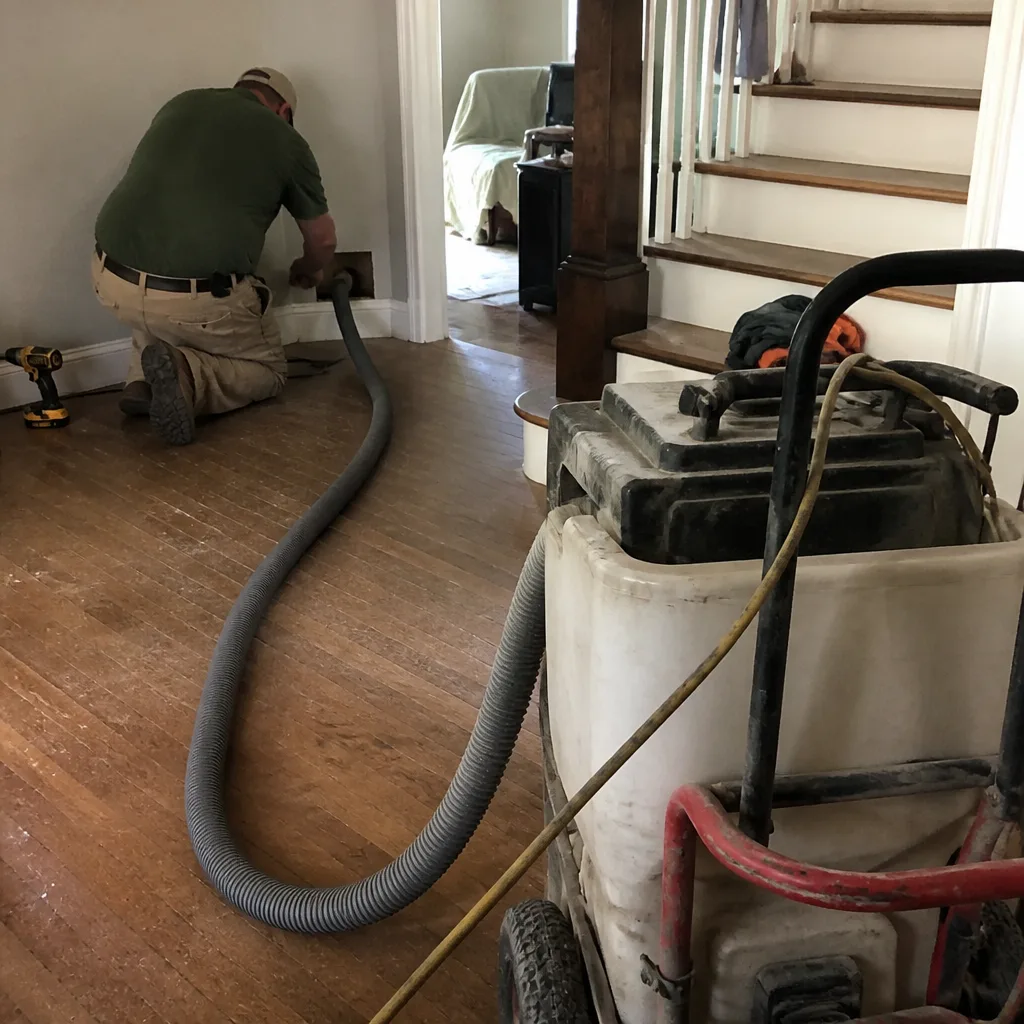 Before
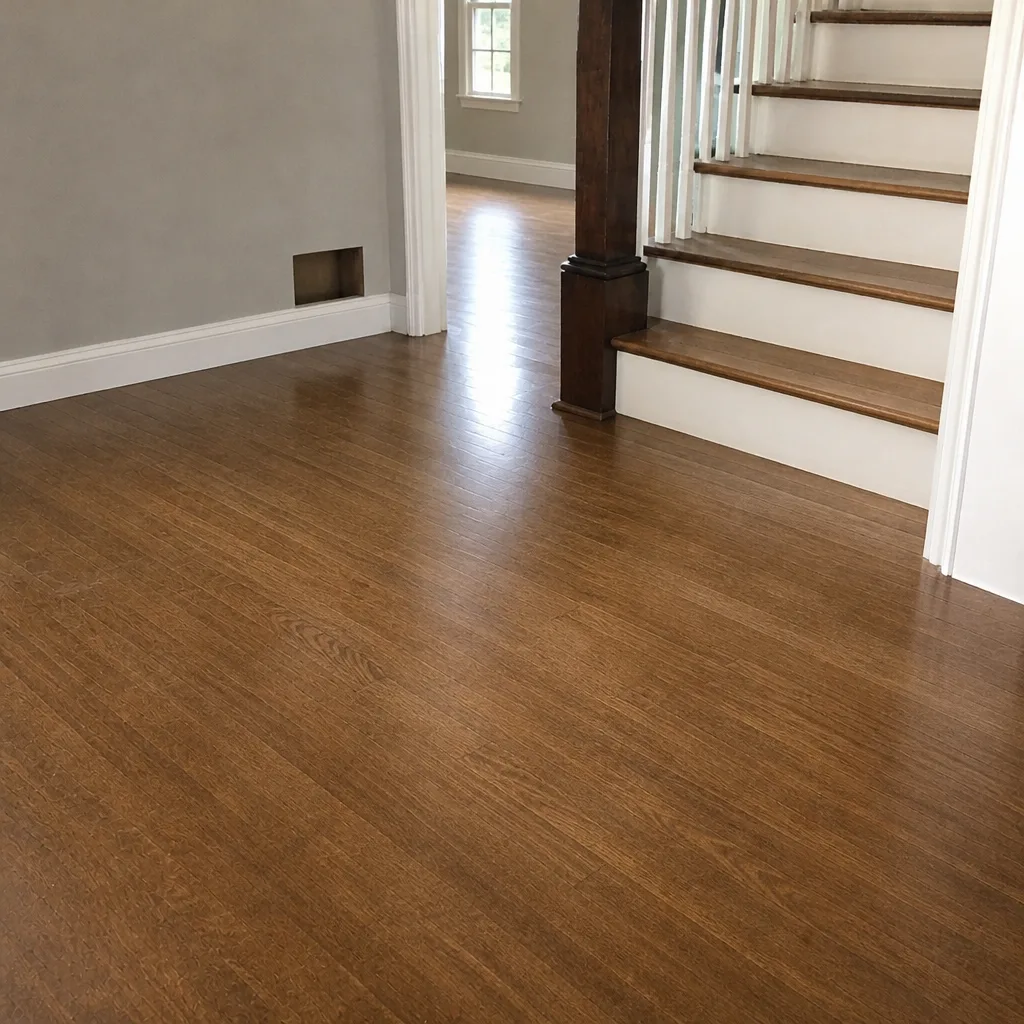 After
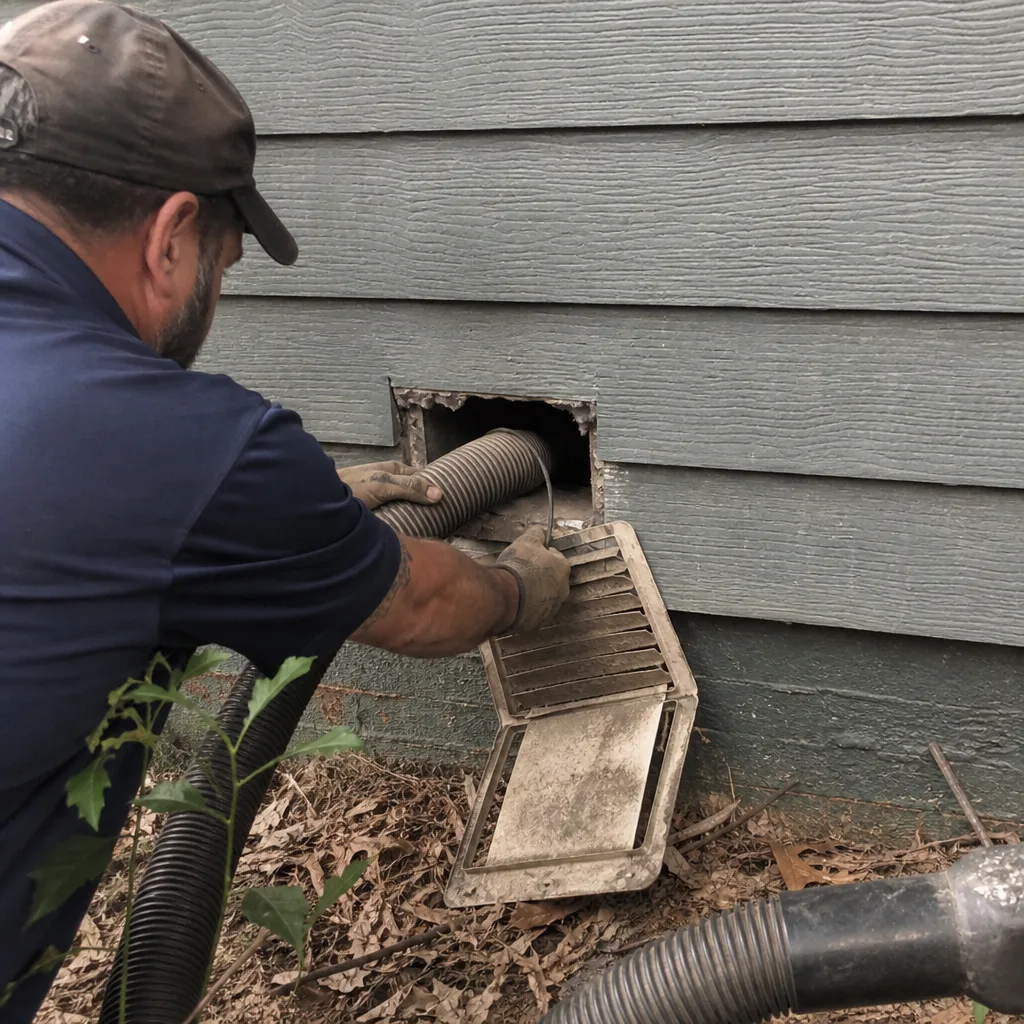 Before
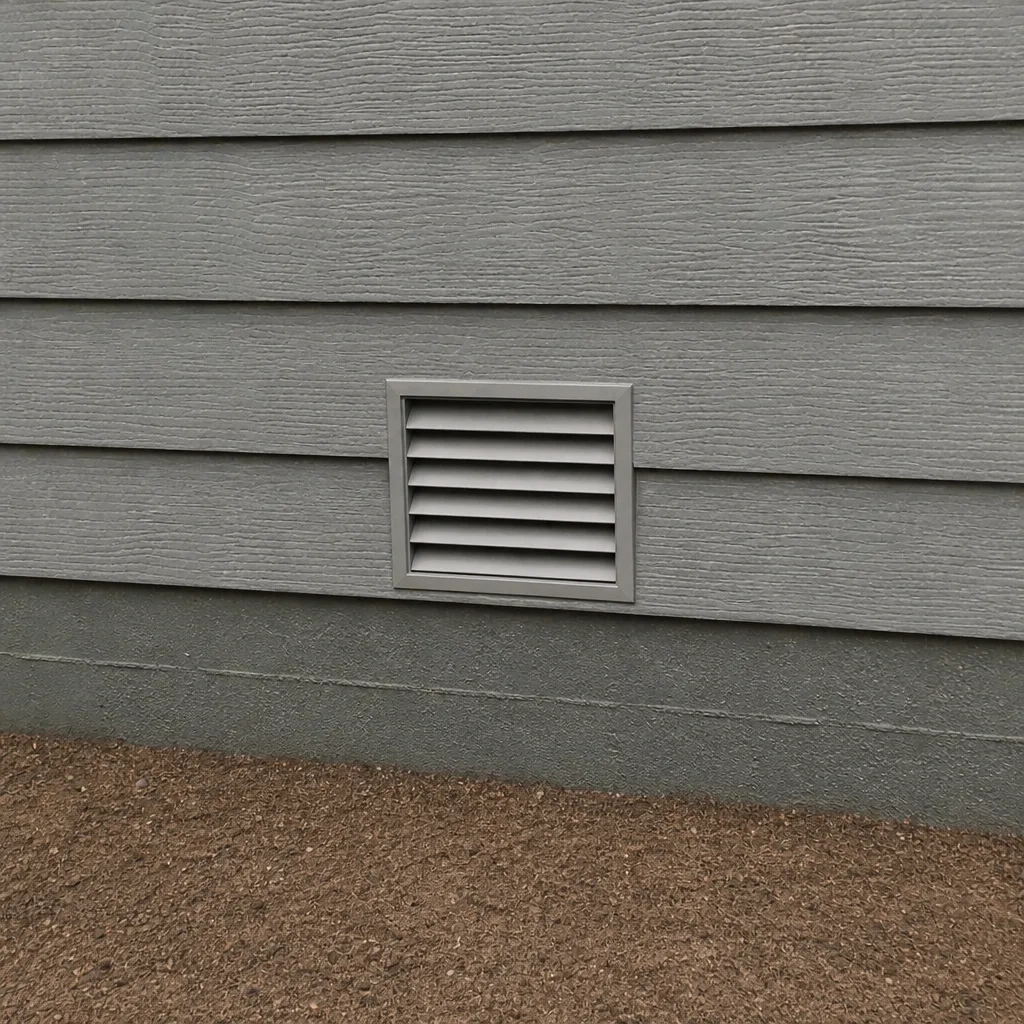 After
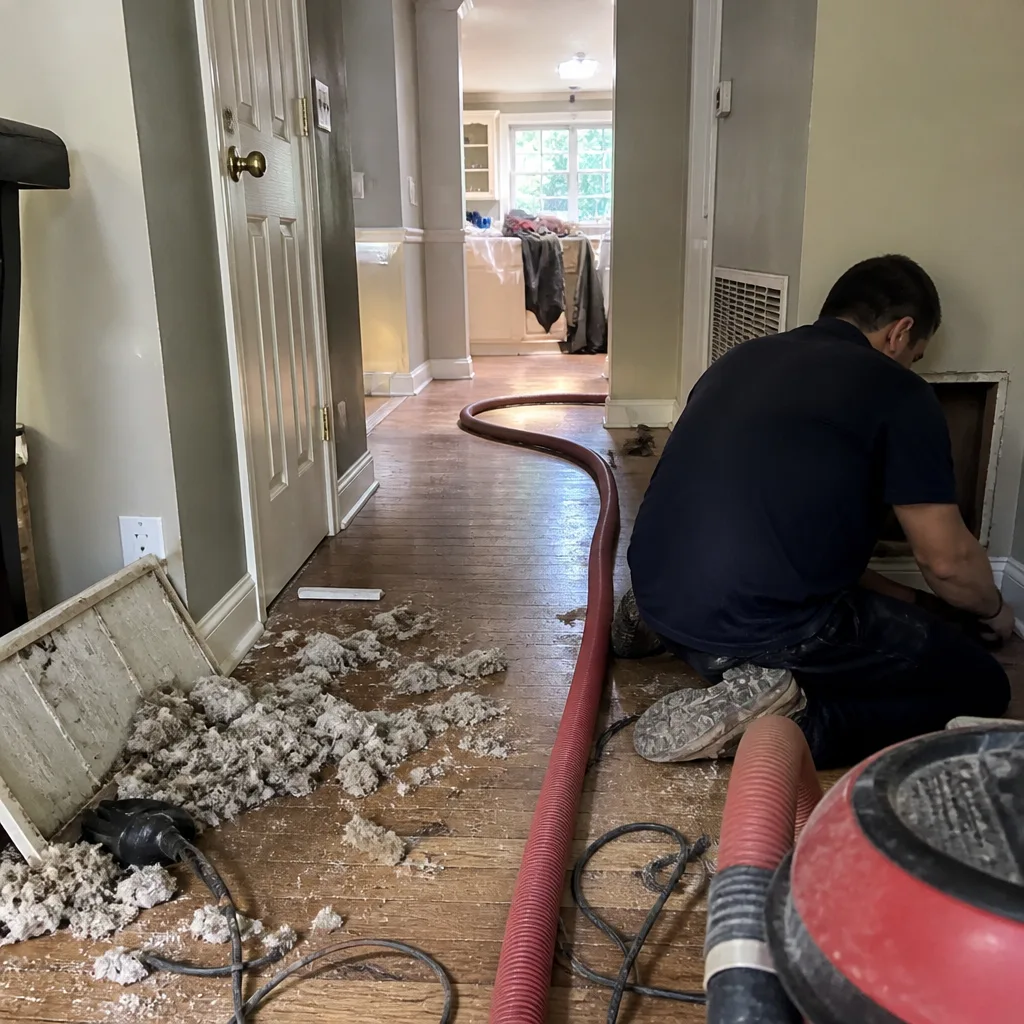 Before
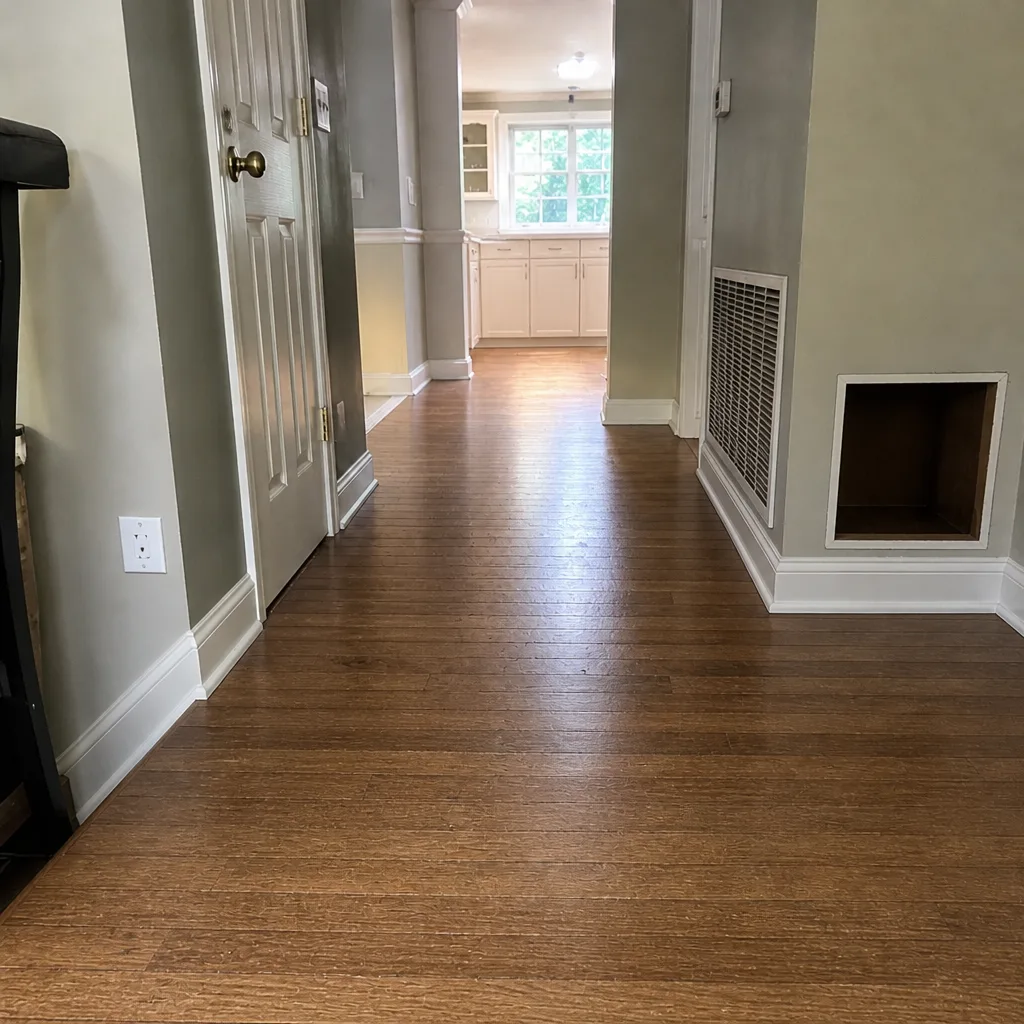 After
When to Call a Professional
Call for evaluation if you’re in Tier 1 above: visible growth, rodent activity, smoke residue, or any burning smell. Call if the startup musty smell has been present for weeks and the register cloth comes back dark. Call if the indoor humidity in your home climbs without a weather explanation, or if a floor vent reveals a collapsed or sagging flex run, since both point to a repair and sealing job that a cleaning pass won’t fix. And call if the dryer vent shows any of the classic signs, because that’s a fire-safety check and shouldn’t wait. Air Duct Cleaning Hayes Barton offers free estimates in Hayes Barton – call (833) 468-5692. We answer 24/7, with fast dispatch from 7am to 7pm, Sunday through Friday.
Frequently Asked Questions
Start with the register cloth check: if the cloth comes back dark, felted, or greasy and there’s a musty smell at startup, the ducts likely need cleaning. If the cloth is light gray, the ducts are clean but the system still acts wrong (rooms that don’t heat evenly, humidity that won’t come down, a smell that persists after startup), the problem is more likely a duct leak, coil fouling, or a filtration issue rather than contamination. A proper inspection settles it.
Not always. A musty smell that appears at fan startup and fades within a few minutes is the classic pattern for duct contamination. A musty smell that stays and intensifies points to an active moisture or biological problem, often at the coil or drain pan, and needs a different fix. A burning or electrical smell at heat activation is not a duct problem at all; it points to an HVAC component and should be checked before running heat again. Call (833) 468-5692 for an exact quote if you’d like a professional read – estimates are free.
There’s no fixed interval that fits every home. Contamination builds on a combination of filtration, run time, household activity (pets, renovations, occupants with allergies), and moisture control in the crawlspace. A reasonable approach is to check the register cloth every six months and clean when the evidence points to it, not on a calendar. Homes with ongoing renovation dust, pets, or a history of moisture issues usually come due sooner. Calling for a quick assessment is the reliable way to know; the estimate is free.
The cheapest quotes are usually cheap because the work is thinner: one pass with a shop vac, no containment, no coil or air handler cleaning, and no repair of the leaks that caused the problem. A source-removal cleaning with proper equipment, containment, and before-and-after photos costs more because it’s a different job. One flat price per system, agreed before work starts, is the standard that protects you from the bait-and-switch pattern in this trade. Call (833) 468-5692 for a written estimate you can compare line by line – estimates are free.
Ask for before-and-after photos of your own ducts and air handler, taken by the technician during the job. That’s the only verification that matters. A reputable provider will show you what came out of your system. Our technicians have up to 10 years of experience and use equipment you can recognize – Rotobrush rotary brush systems, Nikro negative-air extraction, and Abatement Technologies filtration units – because the tools are part of what makes the work real. Call (833) 468-5692 with any questions before you book.
Duct cleaning removes accumulated contamination from inside the duct surfaces. Duct repair and sealing fix breaks, separated joints, collapsed flex, and unsealed boots. They solve different problems, and the right one depends on your symptoms: a contamination pattern (dark cloth, startup musty smell) points to cleaning, while a leakage pattern (humidity spikes, uneven rooms, musty smell concentrated near the floor) points to repair and sealing. Many jobs need both, and a full-scope indoor air quality service handles them in one visit so you’re not calling a second contractor for the follow-up. Call (833) 468-5692 to find out which one your home needs – estimates are free.
The Bottom Line
The most useful warning sign is the one you read before you see dust. A startup musty smell, a dark register cloth, a humidity drift you can’t explain, or a collapsed flex run seen through a floor vent all point to something specific. Each one tells you which specialist to call: cleaning for contamination, repair and sealing for leaks, HVAC service for coil fouling or a burning smell, and dryer vent cleaning for the fire-safety check on the side. Don’t panic at one dark register, and don’t wait on visible growth, rodent activity, or smoke residue. Read the symptom, match it to the fix, and get an estimate before you commit.
If you’re in Hayes Barton and want a professional read on what you’re seeing, call (833) 468-5692. We answer 24/7. Fast dispatch from 7am to 7pm, Sunday through Friday. Estimates are free, the price is set per job by the written estimate, and every job comes with before-and-after photos of your own ducts.
Written by the team at Air Duct Cleaning Hayes Barton.