
Last updated November 23, 2026
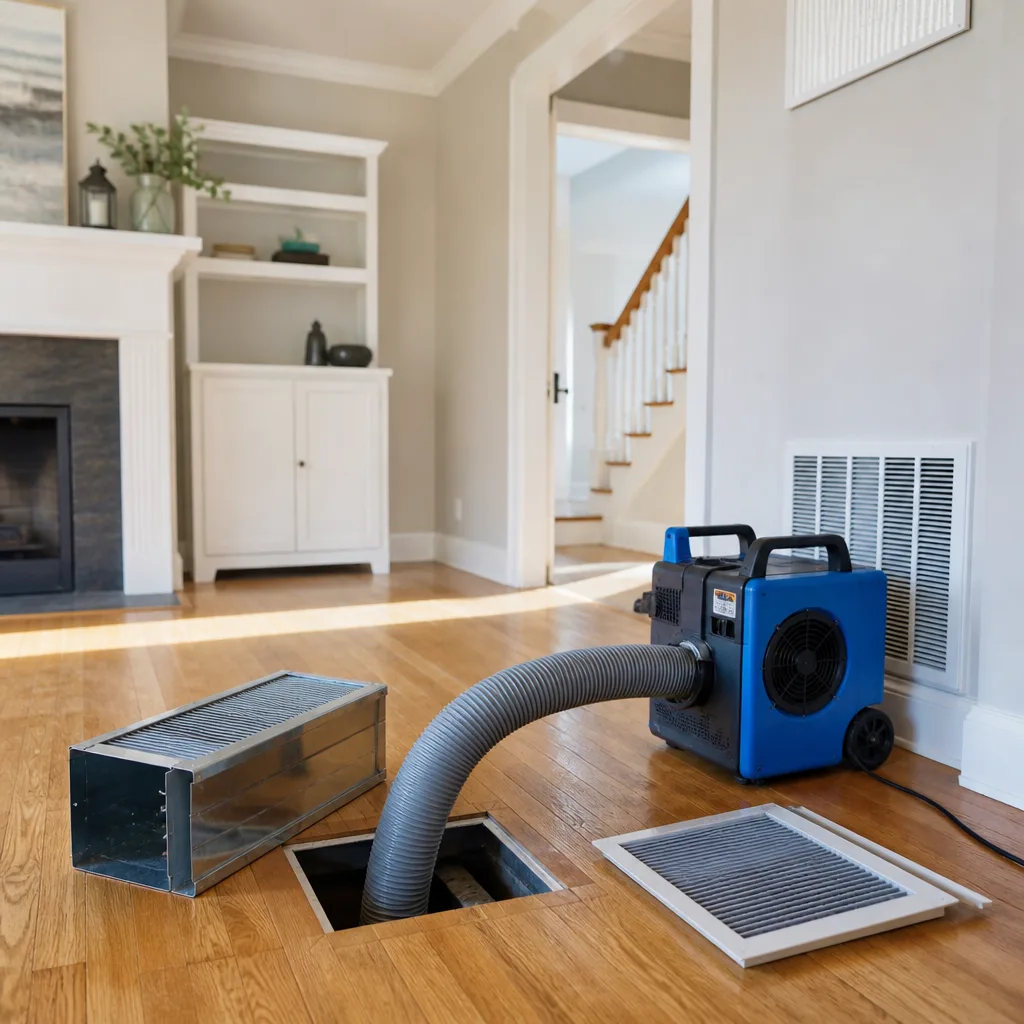 Whole-home duct cleaning
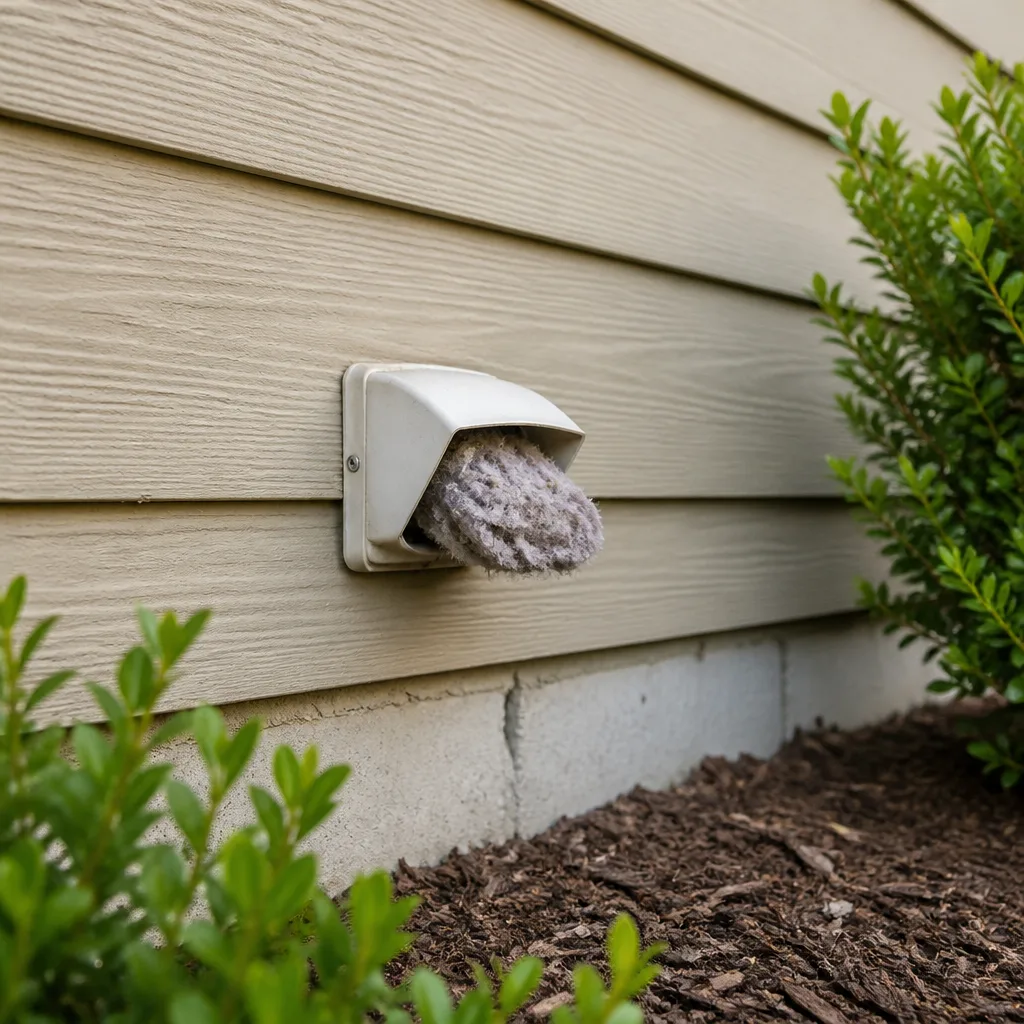 Dryer vent cleaning
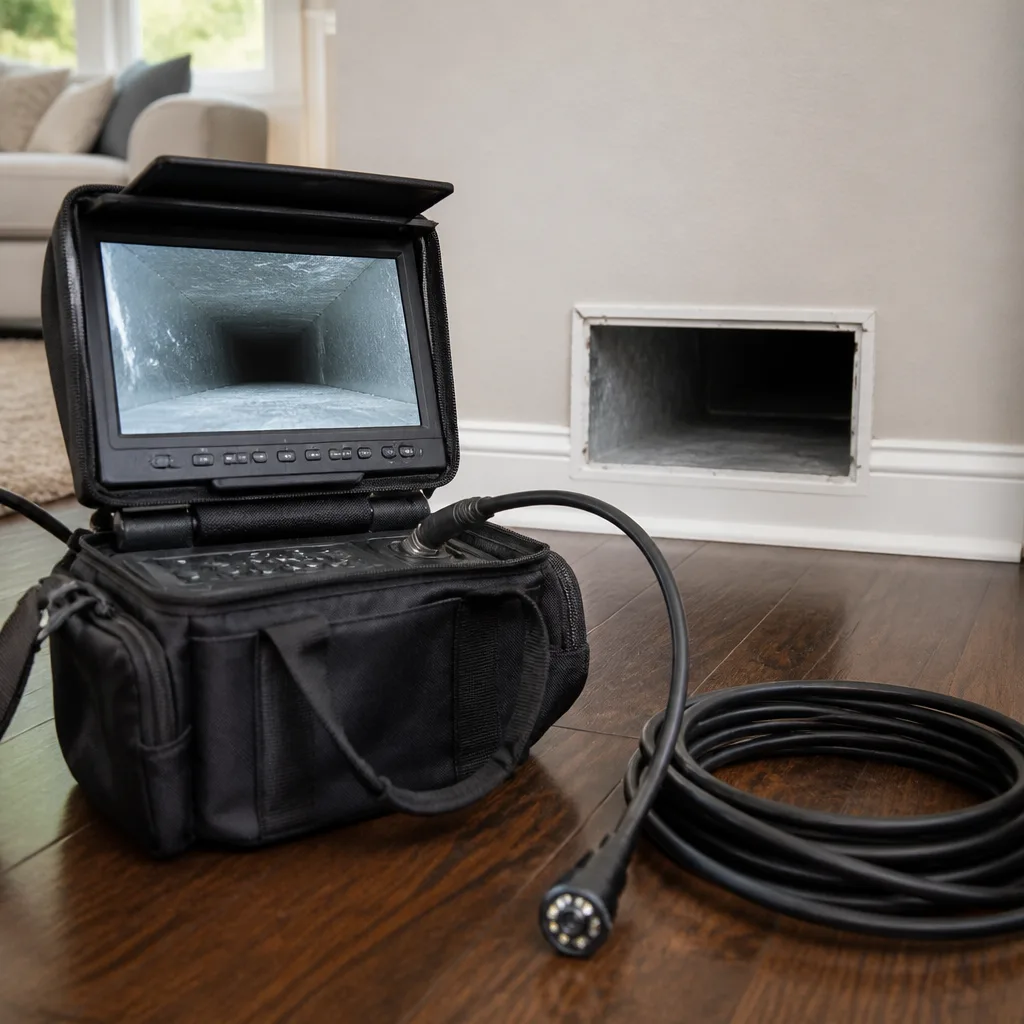 Camera inspection
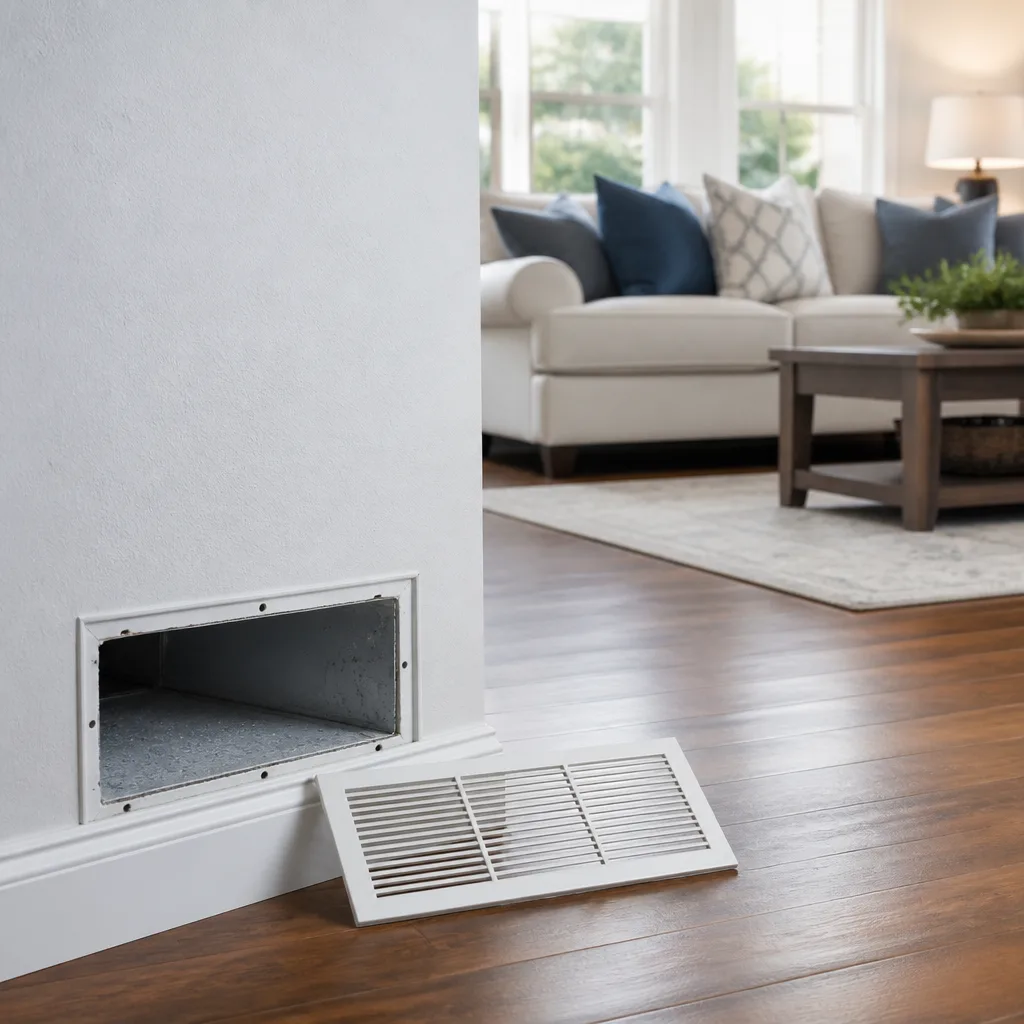 Sanitizing & deodorizing
Whole-system duct and dryer vent check with before-and-after photos - you see exactly what came out of your vents
That "$99 whole-house special" is a bait ad - the real number appears once they are in your hallway, or the "clean" is a shop-vac at the register. We photograph the inside of your ducts before and after instead.
Air Duct Cleaning Permits, Codes & Inspections in Hayes Barton, NC: What You Need to Know
Here’s the part most Hayes Barton homeowners never hear until a repair estimate lands on the kitchen table: a “duct cleaning” that quietly includes reconnecting a run of flex duct or rebuilding a damaged plenum has crossed out of maintenance and into permitted mechanical work. Cleaning itself is maintenance. Modifying the system is construction. North Carolina treats those as two different things, and only one of them needs a permit and an inspection. This guide walks through where the line sits, what triggers a Wake County mechanical permit, how to spot when a contractor’s scope has drifted into permit territory, and what that means if you ever sell a home in one of Raleigh’s busiest close-in neighborhoods. It’s written for people who want to understand the rules before they sign off on extra work, not after.
Quick Answer
In North Carolina, routine air duct cleaning is maintenance and does not require a permit. Duct replacement, plenum reconstruction, reconnecting or rerouting duct runs, and modifying an air handler access panel are mechanical alterations governed by the NC State Building Code, and those do require a Wake County mechanical permit and inspection. Mold remediation inside ductwork falls into its own category: NC doesn’t license mold remediators, but containment and disclosure standards still apply.
Styles & brands we work with
- Whole-home duct cleaning
- Dryer vent cleaning
- Camera inspection
- Sanitizing & deodorizing
Table of Contents
- Cleaning vs. Modification: Where the Line Actually Sits
- What NC Building Code Section M1601 Governs
- When a Wake County Mechanical Permit Is Triggered
- How to Tell a Contractor’s Scope Has Drifted Into Permit Territory
- Mold Remediation in Duct Systems: What “Compliant” Looks Like
- Unpermitted Work and the Hayes Barton Real Estate Inspection
- What a Duct System Inspection Actually Covers
- Questions to Ask Before Authorizing Repairs
Cleaning vs. Modification: Where the Line Actually Sits
The distinction that trips people up is simple once you see it. Cleaning removes material from a system that stays exactly as it was built. Modification changes the system itself. One is maintenance; the other is construction work with a paper trail attached.
Air duct cleaning in the maintenance sense means mechanical agitation and extraction inside the existing ductwork. A Rotobrush rotary brush system loosens the accumulated dust, debris, and biological growth clinging to duct walls, and simultaneous negative-air extraction pulls that material out of the system rather than pushing it into the living space. We use Nikro negative-air equipment for contained, source-removal cleaning and Abatement Technologies air filtration devices to capture dislodged particulates during the service. Nothing about that process alters the physical configuration of your ductwork. It’s the same ducts when we finish as when we started, just cleaner.
Modification is a different animal. Common examples we see discussed in Hayes Barton homes include:
- Replacing a section of damaged or crushed flex duct with new duct
- Rebuilding a plenum that has rusted through, separated at a seam, or been cut open and never properly closed
- Reconnecting a duct run that has come loose from a boot or trunk
- Cutting into or altering an air handler access panel for access during service
- Rerouting ductwork to change airflow to a room
Every item on that list changes the mechanical system. The first three are the ones homeowners most often get surprised by, because a contractor can present them as “part of the cleaning.” They aren’t part of the cleaning. They’re repairs, and repairs on the duct system are mechanical work under North Carolina code.
The practical takeaway: ask a technician to separate the cleaning scope from any repair scope in writing before work begins. That single question protects you more than any other.
What NC Building Code Section M1601 Governs
Section M1601 of the North Carolina State Building Code is the chapter that regulates duct systems. It covers duct construction, installation, materials, sealing, and the connections between ducts, plenums, and equipment. In plain terms, M1601 is the rulebook for how a duct system is supposed to be built and how changes to it must be made.
What M1601 governs includes duct material standards, how joints and seams must be sealed, how ducts connect to plenums and air handlers, minimum support and clearance requirements, and the requirements surrounding return-air pathways. When a contractor replaces a duct section or rebuilds a plenum, that work must conform to M1601 whether or not anyone pulls a permit. The permit is the mechanism that gets an independent inspector to verify the work meets the code.
What M1601 does not govern is cleaning. There is no code section prescribing how ducts are cleaned, which equipment must be used, or how often it must be done. That’s why cleaning doesn’t need a permit: the code simply doesn’t reach it. It reaches the physical system and its components.
This matters in Hayes Barton because the housing stock runs heavily toward mid-century homes. Duct systems in those houses are often original, or have been modified several times over decades. Original galvanized trunk lines with flex branch runs, patched plenums, and ductwork that’s been cut for one reason or another and rejoined are all common. When a cleaning technician finds a disconnected run or a compromised plenum in a house like that, the repair is not a cleaning add-on. It’s a mechanical modification that falls under M1601, and that’s where the permit conversation begins.
If your home is older and you’re planning a full service, a good starting point is to ask whether the existing system has any history of modifications. You can’t always know, but the question signals to the contractor that you understand what you’re looking at. For a fuller picture of how a cleaning appointment should be structured, see our page on air duct cleaning.
When a Wake County Mechanical Permit Is Triggered
Wake County issues mechanical permits for work that alters a home’s HVAC system. For duct work specifically, the permit trigger is modification, not cleaning. Here’s the breakdown of what does and doesn’t require one.
Does not require a permit
- Routine cleaning and debris removal inside the existing system
- Sanitizing treatment of existing duct surfaces
- Filter replacement
- Inspection and documentation of existing duct condition
Does require a Wake County mechanical permit
- Duct replacement, whether a full system or a single run
- Plenum reconstruction or replacement
- Reconnecting a duct run that has separated, when the reconnection involves changing the existing configuration
- Modifying or altering an air handler access panel
- Adding a new duct run or changing airflow routing
When a permit is pulled, an inspector reviews the work after it’s completed. That inspection confirms the duct material, sealing, and connections meet M1601. The construction steps typically look like this:
- Scope documented. The contractor identifies the specific repair and confirms whether it falls under M1601 as a modification.
- Permit filed with Wake County. The permit application lists the work and the address of the home.
- Work performed to code. Duct material and connections installed per M1601, joints sealed, system properly supported.
- Inspection scheduled and passed. The county inspector confirms the work before the permit is closed.
A contractor who tells you a duct replacement or plenum rebuild doesn’t need a permit is either misinformed or avoiding the paperwork. Either answer is a reason to ask more questions before authorizing anything. Our HVAC cleaning page explains how the cleaning and repair scopes fit together on a real service call.
For homeowners with whole-home filtration systems, note that replacing a filter in a Honeywell or Aprilaire cabinet is not a mechanical modification and does not need a permit. Those are consumables, not system components.
How to Tell a Contractor’s Scope Has Drifted Into Permit Territory
Scope drift tends to happen gradually, in a way that makes a homeowner feel pressured to say yes. The technician finds a problem during cleaning, explains that it should be fixed while the access is open, quotes an additional amount, and offers to handle it right then. Sometimes that’s honest and appropriate. Sometimes the repair crosses into permit territory, and the contractor is proceeding without one.
Here’s how to evaluate what you’re being told. Before you authorize any repair, ask these questions:
- Is this cleaning, or is this a modification? If the answer involves replacing, rebuilding, reconnecting, or cutting new openings, it’s a modification.
- Will a permit be required for this repair? Ask directly and note the answer.
- Where’s the permit in the paperwork? If a permit is required, it should be listed as a separate line item with the county’s permit fee accounted for.
- Is the work already underway, or hasn’t it started yet? A permit must be pulled before the work begins. If the technician has already cut the plenum open, the permit timing has been missed.
- Can you write the repair into the estimate as a separate scope? Get it in writing so there’s a record of what was done.
The single most useful habit is to treat cleaning and repair as two separate decisions. Agree to the cleaning, get the price on the cleaning in writing, and then decide on any repair independently. If a company won’t separate them, that’s a signal. We use flat pricing per system for air duct cleaning, so the cleaning cost is agreed before work starts and doesn’t change based on what the technician finds.
In Hayes Barton specifically, older homes and original ductwork make repair findings more likely. That’s not a reason to avoid cleaning; it’s a reason to go in knowing that cleaning and repair are separate scopes with separate rules.
Mold Remediation in Duct Systems: What “Compliant” Looks Like
North Carolina does not license mold remediators. There is no state-issued credential, no required exam, no licensing board for mold work. What NC does have is a disclosure requirement: any mold remediation contractor must disclose whether the contractor has actual knowledge of the insurance coverage carried, and the disclosure must be provided in writing before the work begins.
The absence of licensing does not mean the absence of standards. A properly performed duct mold remediation follows containment and removal principles that protect the rest of the home:
- Containment before removal. Negative air pressure keeps spores from migrating into living spaces. Abatement Technologies air filtration devices provide that containment in the work zone.
- Source removal, not encapsulation. The mold is physically removed, not painted over. Cleaning the contamination away with mechanical agitation and negative-air extraction is the goal.
- Moisture source identified and corrected. Mold needs moisture. If a duct is growing mold, there’s an underlying cause, and repairing the duct without addressing the moisture will produce mold again.
- Post-remediation verification. Visual inspection and, where appropriate, surface sampling confirms the work was effective.
Finding mold on duct surfaces during a cleaning is not unusual, particularly in Hayes Barton homes with older ductwork, poorly sealed connections, or high summer humidity. What matters is how it’s handled. If the mold is minor and confined to a small area, cleaning and sanitizing with EPA-registered products is often appropriate. If the contamination is more extensive, the scope shifts toward remediation, and the contractor should be transparent about that shift along with the containment plan.
If you’re seeing a spotty record of mold problems in the home, that’s often a clue about the whole system. Duct repair and sealing is worth considering in tandem with cleaning when connections are loose. For the full picture of what our services cover, see our Air Duct Cleaning Hayes Barton page.
Unpermitted Work and the Hayes Barton Real Estate Inspection
Hayes Barton is one of Raleigh’s most active close-in real estate markets. Homes change hands regularly, and buyers bring inspectors. Among those inspections, a mechanical systems review will look at the ductwork.
What shows up in an inspection report can affect a transaction. Unpermitted duct modifications are usually visible: ductwork replaced without a permit is identifiable in some cases by the absence of a permit record at Wake County, and inspectors will note the absence. If the work was performed by a previous owner or contractor without a permit, the current owner inherits the problem. Buyers ask for records. Sellers get asked to correct work. When a permit is missing from the county’s records, corrections can be negotiated as a contingency.
This is not a scare tactic. The practical value of doing duct work properly is that it leaves a paper trail. If you ever sell a Hayes Barton home, having the permit record and inspection report for a duct replacement makes that system a point in your favor rather than a negotiating chip against you. It’s worth pulling the permit record at Wake County when you’re buying a home in the neighborhood. It’s a five-minute check that can save a house purchase from a repair negotiation later.
For sellers, the issue runs the other way: if you’ve had duct repairs done, keep the permit closing paperwork with your home records. If a repair was done without one, get it corrected before listing. A permitted repair documents the work, and a subsequent inspection by a buyer’s inspector won’t find a missing record.
Dryer vent systems are also part of the home safety picture and worth inspecting during a transaction. Our dryer vent cleaning page covers why that vent is treated as a fire-safety component, not a cleaning afterthought.
What a Duct System Inspection Actually Covers
When a duct system is inspected, whether during a cleaning appointment or as part of a home sale inspection, the areas reviewed include:
- Duct condition. Visual check for crushed, torn, disconnected, or improperly supported ductwork.
- Connection integrity. Boots, plenums, and trunk transitions are checked for separation and sealing.
- Cleanliness. The interior surfaces are checked for dust, debris, biological growth, and any indication of pest activity.
- Airflow. Static pressure and airflow at registers tell you whether the system is delivering what it should.
- Filter condition and housing. Filter cabinets and filter gaskets are inspected, especially on Honeywell and Aprilaire systems where filter fit matters to the whole-home performance.
- Condensation and moisture. Any sign of moisture in the duct system is a flag for mold risk and is investigated at its source.
- Equipment access. The air handler and its access panel are checked, and if the panel has been modified, that’s noted as a code concern.
The result should be a documented report. Before-and-after photos are standard for a serious service, and you should see them regardless of what equipment was used. When we perform source-removal cleaning, the photos show the duct interiors before and after, so you can verify what was actually removed.
For a home with whole-home air quality equipment, the inspection also considers how the duct system interacts with the rest of the equipment. A professional-grade cleaning and inspection should confirm that the system as a whole works the way it’s supposed to, not just that the ducts look cleaner.
Questions to Ask Before Authorizing Repairs
The difference between a smooth repair and a nightmare is usually the questions asked before the work started. Here are the ones that matter most:
- “Will this require a permit?” Get the answer in writing in the estimate. If it’s a modification, the answer is yes.
- “What’s the permit process and who pulls it?” The contractor performing the modification should be the one who pulls the permit.
- “Does the estimate break out the repair cost separately from the cleaning cost?” A single lump sum is harder to evaluate. Ask for a breakdown.
- “What happens if the repair fails inspection?” A responsible contractor will correct any failed inspection items at no additional charge.
- “Will you show me photos of the problem before you fix it?” This is how you confirm the repair is needed and is what you authorized.
- “Is the professional licensed and insured as their state requires?” For mechanical work in North Carolina, licensed contractors are the standard. Ask for confirmation.
- “What about duct sealing as part of the repair?” Duct sealing is often the right companion to a repair, and it should be priced as part of the scope.
Whether the work is on a Honeywell or Aprilaire filtration cabinet, a plenum rebuild, or a straightforward duct cleaning, the questions are the same. Ask for the written scope, ask whether a permit is required, and don’t authorize the repair until you have both answers.
Common Mistakes to Avoid
- Assuming “it’s just cleaning” when the scope has changed. A cleaning appointment that turns into a duct repair is no longer a cleaning. If the technician is replacing components, reconnecting runs, or rebuilding a plenum, that’s mechanical work, and it should be documented as such.
- Letting the technician cut into the system before a permit conversation happens. Once the plenum is cut open, the ability to pull a permit for the work beforehand is gone. Prevent that by agreeing on the scope, including permit status, before any opening is made.
- Accepting a lump-sum estimate that mixes cleaning and repair. Separate the two so you can evaluate each on its own. A flat price on the cleaning and a separate repair scope is an honest format.
- Buying duct repair without addressing the moisture source. In Hayes Barton’s humid summers, a repair that doesn’t fix what caused the condensation will produce the same failure again within a season or two.
- Skipping the permit record when buying a home. A quick check at Wake County’s permit records tells you whether a duct repair was done properly. Skipping it means inheriting an unknown.
- Treating mold as a simple cleaning task. If mold is present, containment matters. Confirm the contractor uses negative pressure and air filtration during the work, not just household vacuums.
- Setting a higher price expectation because of the permit. The permit itself is a small administrative cost, and it’s the inspection that’s valuable. A contractor who prices the job dramatically higher because a permit is involved is marking up the paperwork, not the work.
See the difference
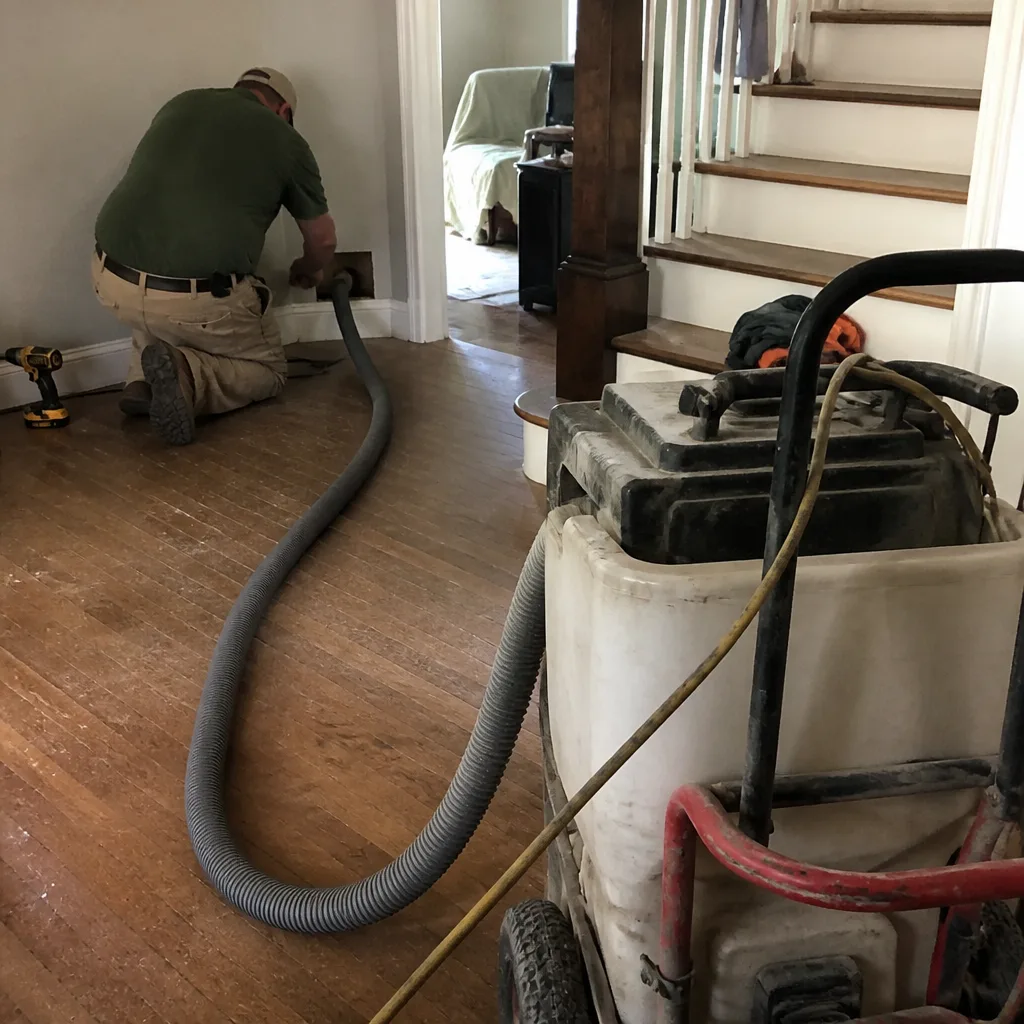 Before
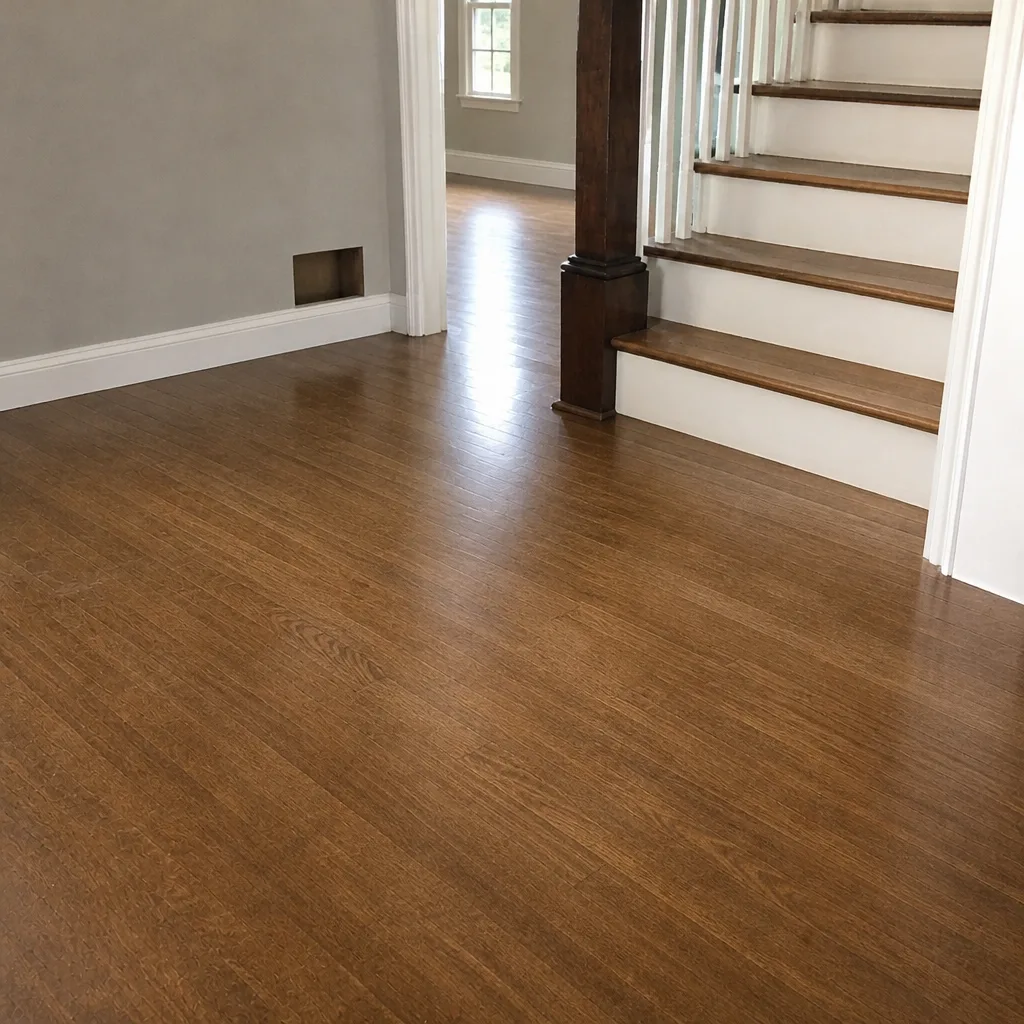 After
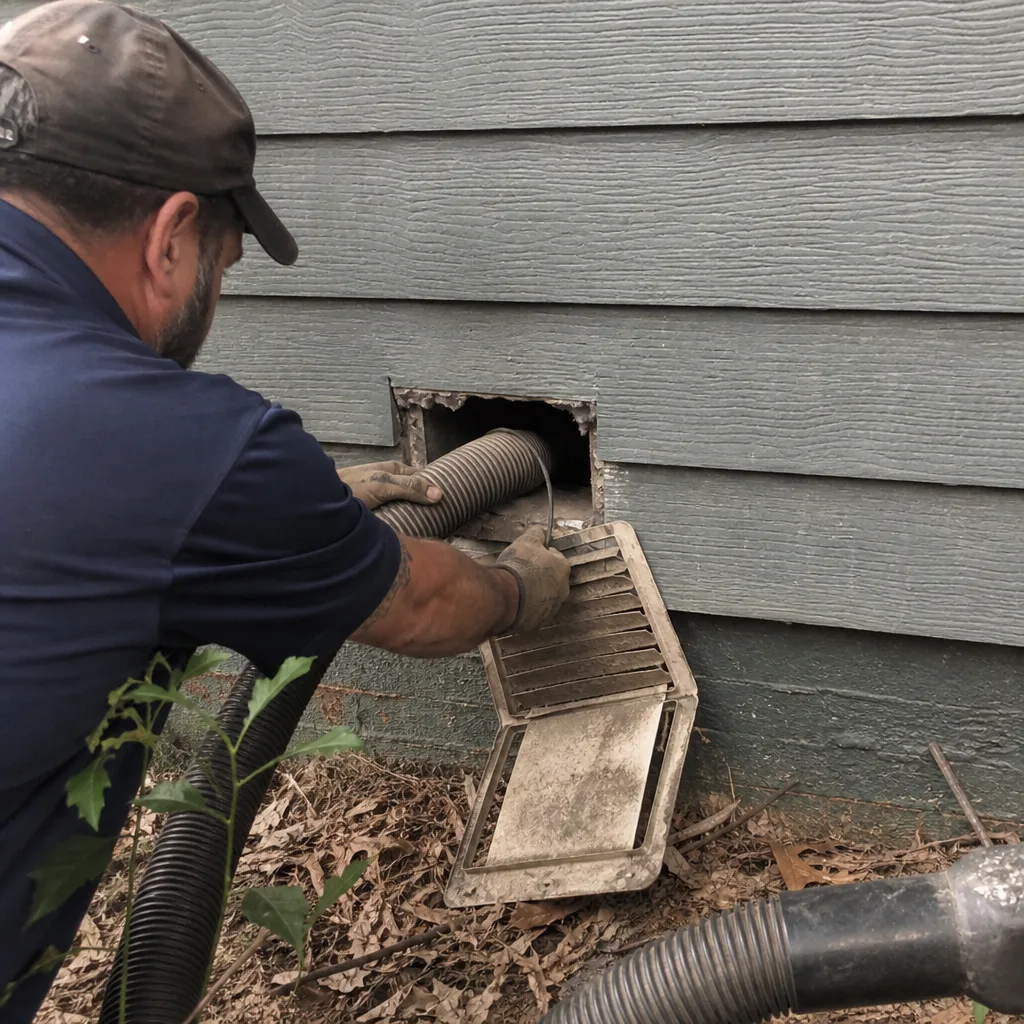 Before
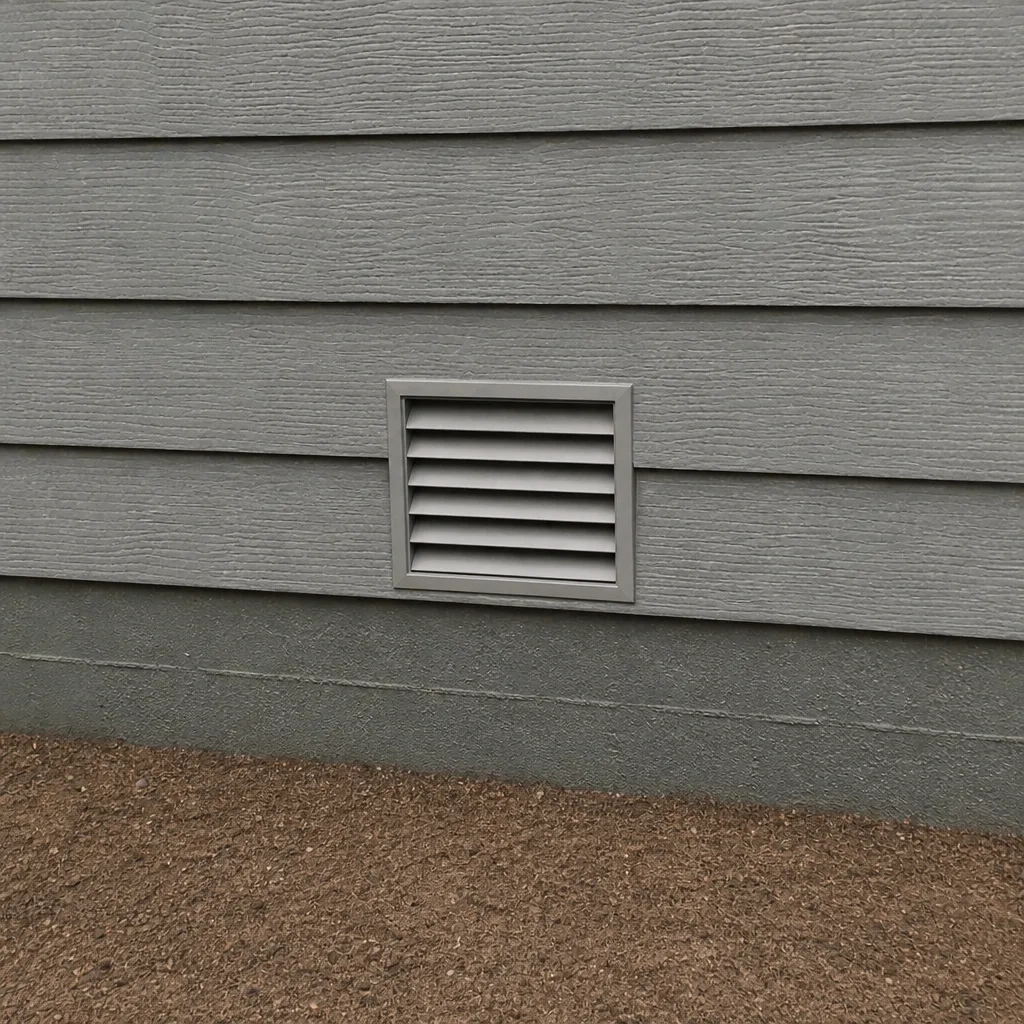 After
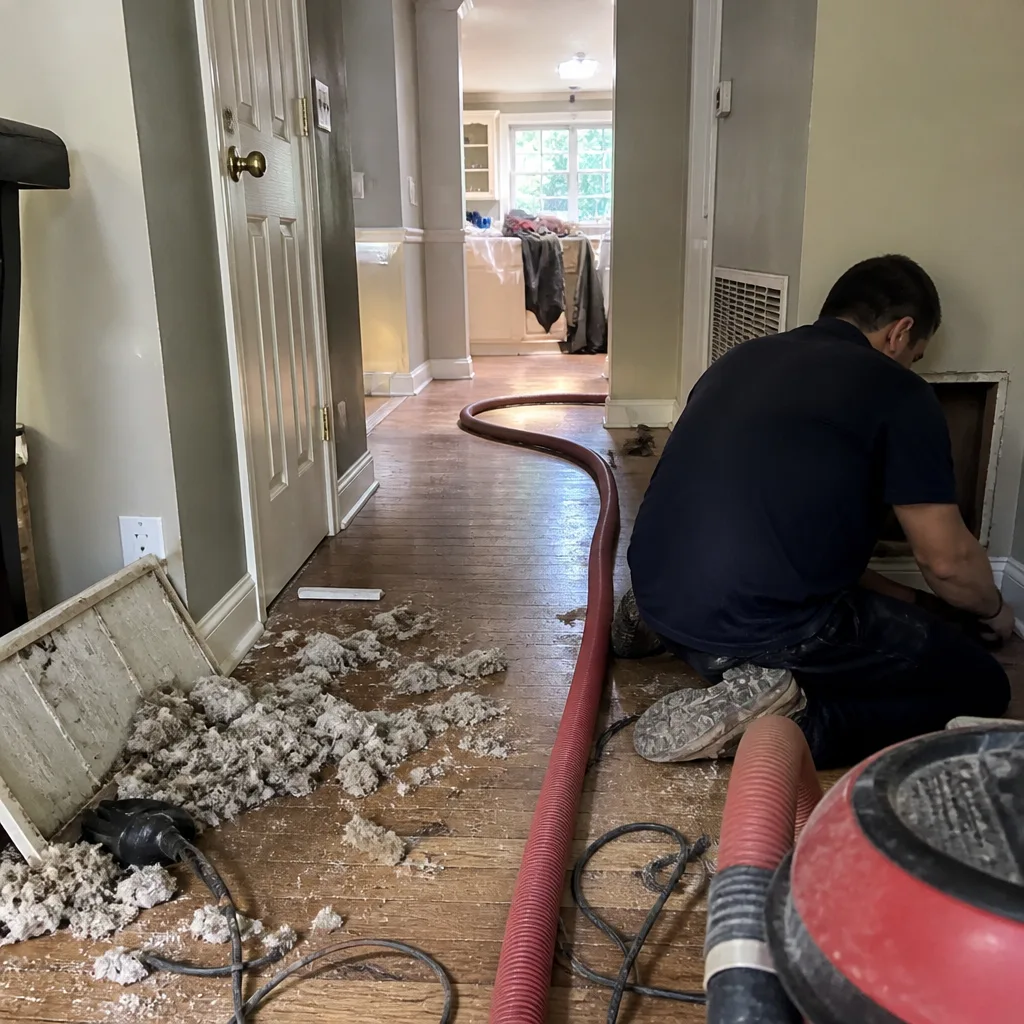 Before
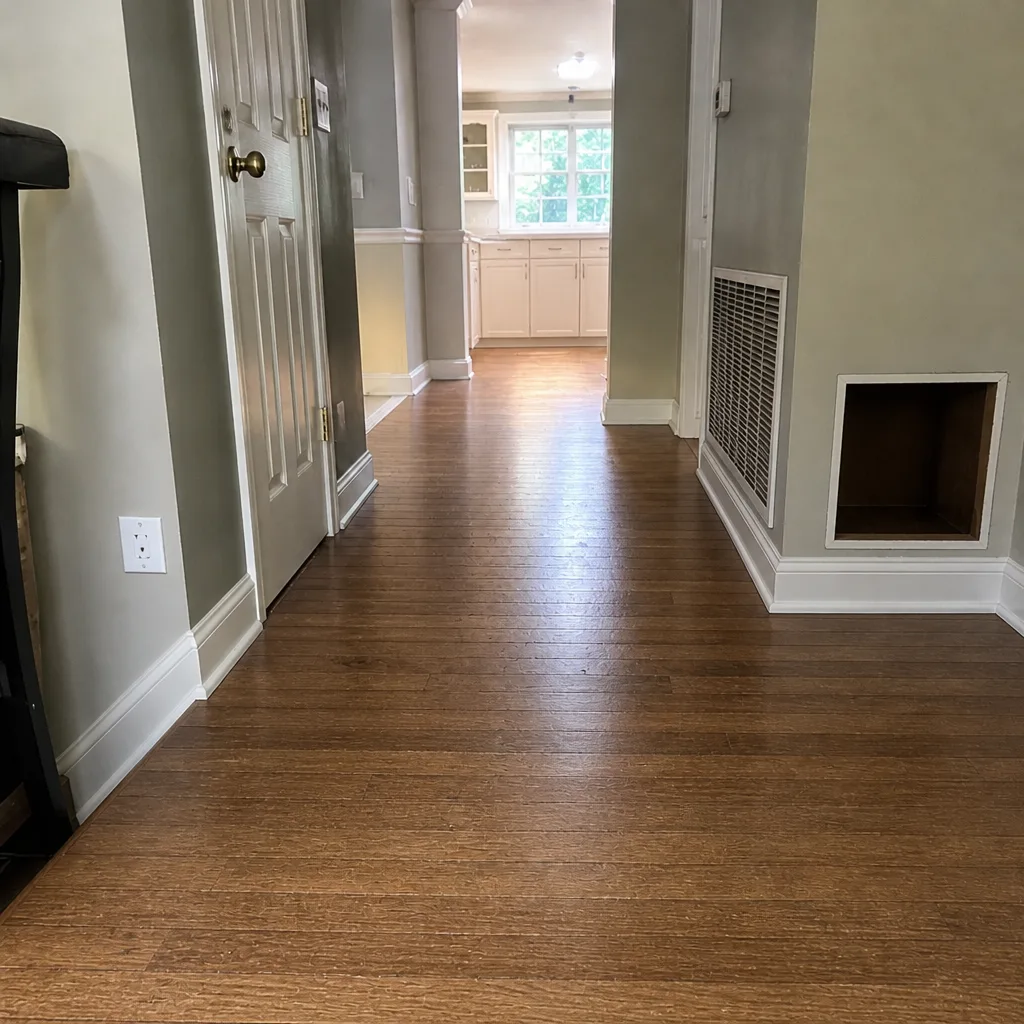 After
When to Call a Professional
Some of these situations come up on a regular basis and an experienced technician can assess them during a routine visit. Others deserve a dedicated call before anything else happens. Call us if you’re seeing visible dust streaking at the registers, if you’ve had a recent renovation and want the ducts cleaned before normal life resumes, if you’re buying or selling a Hayes Barton home and need the duct system inspected, if you’re seeing visible mold or moisture in the duct system, if you’ve had a new HVAC system installed and want to confirm the duct connections were done correctly, or if a previous technician suggested a repair you’re not sure you should authorize. Air Duct Cleaning Hayes Barton offers free estimates in Hayes Barton – call (833) 468-5692.
Frequently Asked Questions
No. Routine air duct cleaning is maintenance under NC code and does not require a permit. Permits are required for duct system modifications, including duct replacement, plenum reconstruction, reconnecting or rerouting duct runs, and air handler access panel modification, because those are governed by NC State Building Code Section M1601. Call (833) 468-5692 for an exact quote on your home – estimates are free.
Section M1601 governs duct system construction, materials, sealing, connections, and support. It sets the standard for how duct modifications must be performed; it does not address cleaning. When a repair falls under M1601, a permit and inspection confirm the work meets the code. Call (833) 468-5692 and we can walk you through how that applies to your system.
Yes, duct replacement is a mechanical modification under NC code and requires a Wake County mechanical permit and inspection. This applies whether you’re replacing a single damaged run or an entire system. Call (833) 468-5692 to discuss the scope before work begins.
NC does not license mold remediators, but contractors must disclose their insurance coverage knowledge in writing before work starts. A compliant remediation uses containment with negative air pressure, removes contamination through source removal, identifies and corrects the underlying moisture, and verifies results after the work. Call (833) 468-5692 to discuss your situation.
Check Wake County’s permit records for the address. A search of the county’s system shows whether a mechanical permit was pulled and closed. If the records are missing for a repair that was clearly performed, note it before closing. Call (833) 468-5692 if you want a pre-purchase duct inspection.
There’s no fixed schedule that fits every home. Homes with pets, recent renovations, allergies, or older ductwork benefit from more frequent cleaning. A practical approach is to have the system inspected and cleaned when you notice visible buildup, after a renovation, or before a home sale. Call (833) 468-5692 to schedule an honest assessment – estimates are free.
The Bottom Line
Cleaning your ducts is maintenance and doesn’t need a permit. Modifying them, whether that’s a replaced run, a rebuilt plenum, or a cut into the air handler panel, is mechanical work and does need one. Most Hayes Barton homeowners never have to think about this until a technician finds something and asks for a signature. The goal of this guide is to make that moment less confusing. Separate cleaning from repair, ask whether a permit is required, and get both answers in writing before anyone starts work. When in doubt, call us. We can tell you whether your situation requires a mechanical permit and what the next step looks like. Call (833) 468-5692 for a free estimate.
Written by the team at Air Duct Cleaning Hayes Barton.