
Last updated November 23, 2026
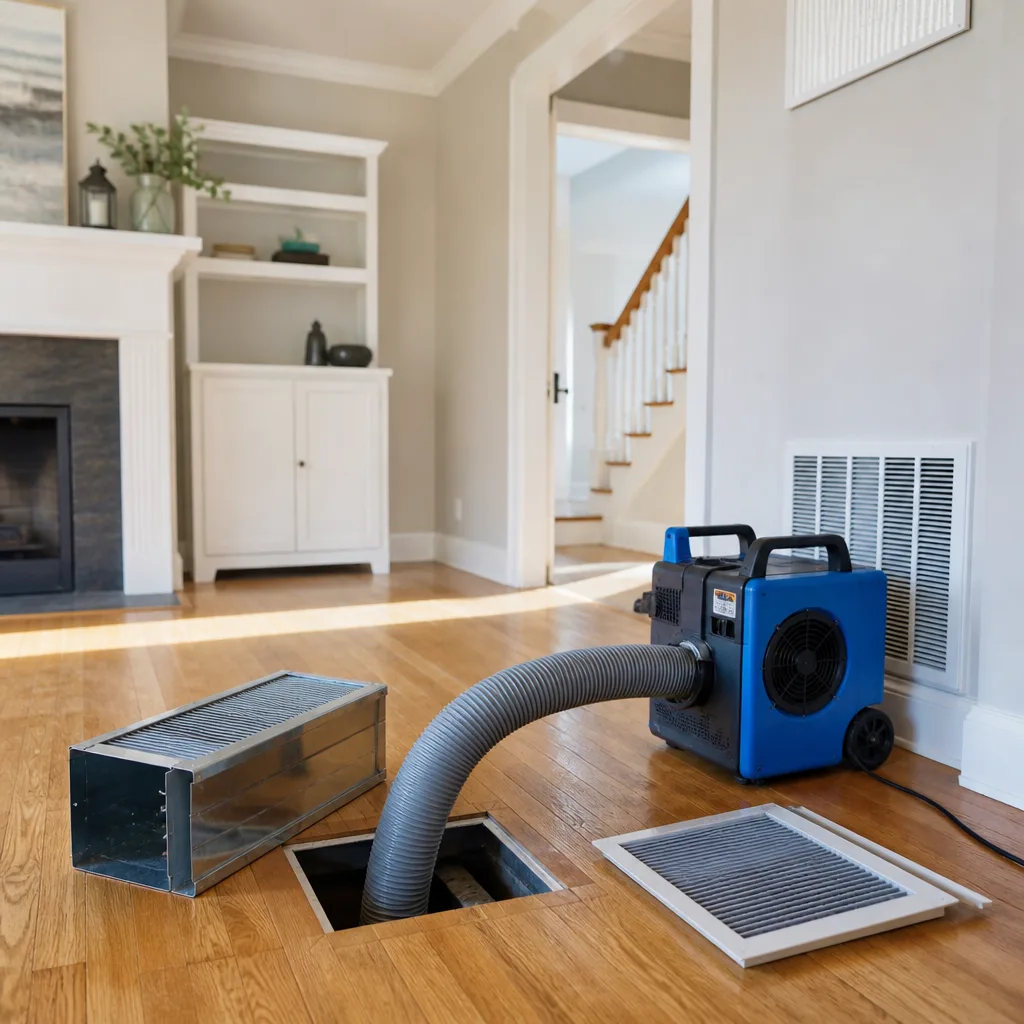 Whole-home duct cleaning
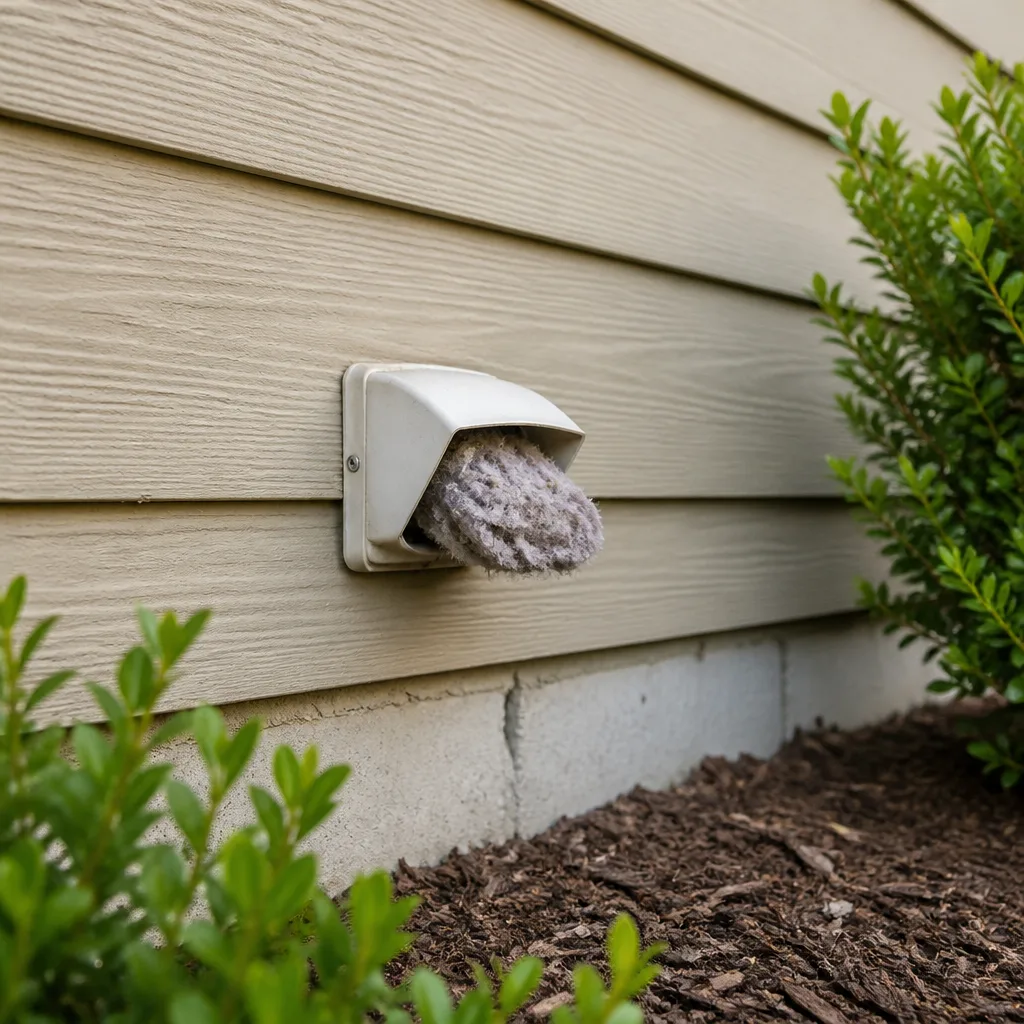 Dryer vent cleaning
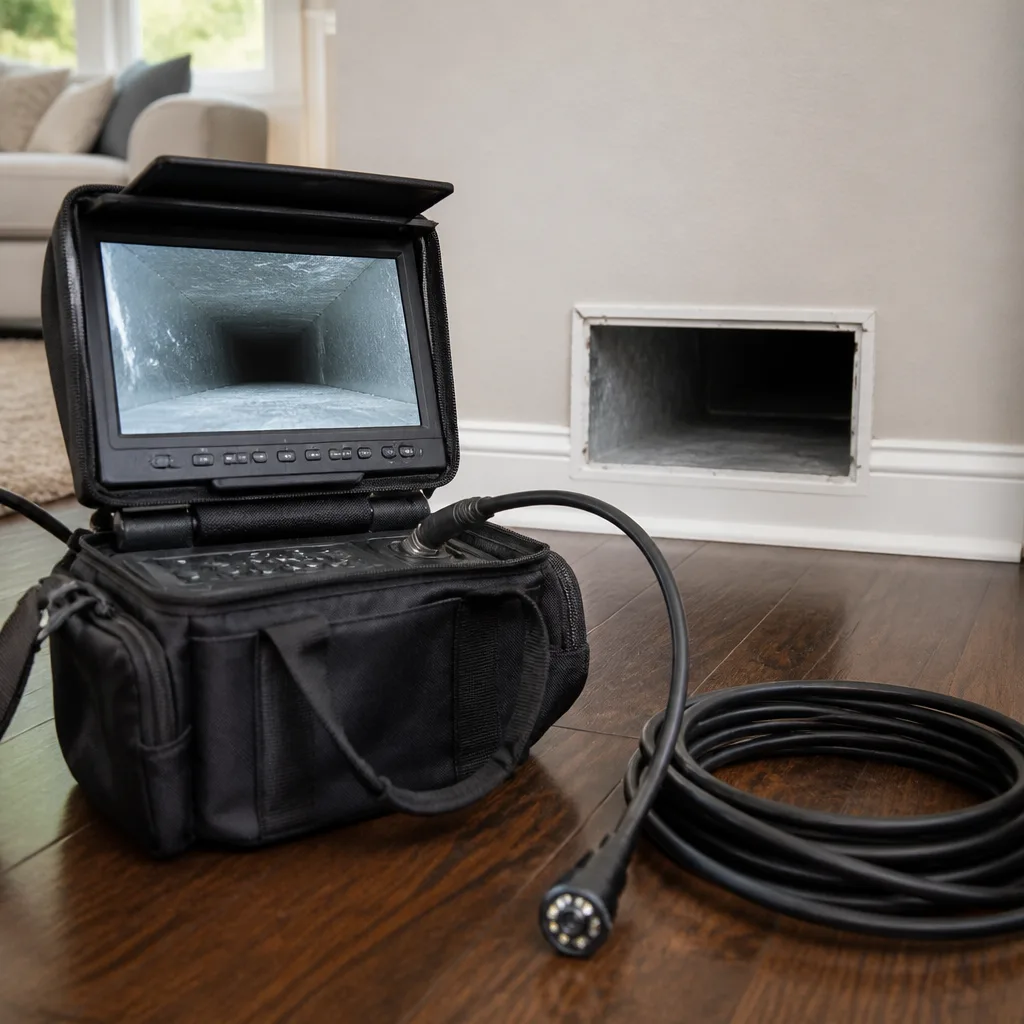 Camera inspection
 Sanitizing & deodorizing
Whole-system duct and dryer vent check with before-and-after photos - you see exactly what came out of your vents
That "$99 whole-house special" is a bait ad - the real number appears once they are in your hallway, or the "clean" is a shop-vac at the register. We photograph the inside of your ducts before and after instead.
Air Duct Cleaning Maintenance Schedule: What to Do and When
The 3-to-5-year cleaning interval you’ve probably read about assumes a baseline household: two adults, no pets, no recent construction, and a mid-grade filter doing its job. Add a dog and drop to a MERV 6 filter, and that window can collapse to something closer to 18 months. That’s the part most maintenance advice skips. Dust load inside a duct system is not a fixed number. It’s the product of how many particles your household generates, how many your filter catches, and how much humidity your climate pushes through the coil and plenum.
This guide gives Hayes Barton homeowners a way to build a cleaning and inspection cadence around actual household conditions instead of a generic number. You’ll get a household profile matrix, filter maintenance rules, seasonal checkpoints for the humid subtropical growing season, and a logging habit that gives the next technician a real baseline to work from.
Quick Answer
Most homes need full duct cleaning every 3 to 5 years, but households with pets, allergy sufferers, smokers, or a recent renovation often need it every 18 to 24 months. Filter grade and change frequency shift that timeline more than any other single variable. In Hayes Barton’s humid climate, the most important inspection checkpoint is the evaporator coil in late summer, before heating season begins.
Styles & brands we work with
- Whole-home duct cleaning
- Dryer vent cleaning
- Camera inspection
- Sanitizing & deodorizing
Table of Contents
- Why the 3-to-5-Year Rule Falls Short
- Household Profile Matrix: Which Interval Fits Your Home
- Filter Maintenance: The Variable That Extends Every Interval
- Seasonal Inspection Checkpoints for Hayes Barton’s Climate
- Ancillary Tasks on the Same Schedule
- What to Log After Every Cleaning
- Renovation and Life-Event Triggers
- Common Mistakes to Avoid
- When to Call a Professional
Why the 3-to-5-Year Rule Falls Short
The 3-to-5-year interval comes from industry guidance that assumes a household generating a moderate, predictable particle load. That assumption is fine as a starting point. It breaks down fast when you start accounting for the variables that actually drive contamination inside a duct system.
Four factors move the timeline most:
- Particle generation rate. Pets, occupants, cooking style, candles, and open windows all add to the load. A shedding dog puts more into the return air in a month than a filter can reasonably trap.
- Filtration efficiency. A MERV 6 filter captures large debris. A MERV 11 or 13 filter captures fine particulates that would otherwise settle on duct walls and the coil. The gap in duct contamination between those two filters over three years is significant.
- Renovation history. Drywall dust, sawdust, and insulation fibers migrate into return ducts during construction and stay there. A renovation resets the clock regardless of how recently the system was cleaned.
- Climate and humidity. Hayes Barton sits in a humid subtropical zone with long cooling seasons. That means months of condensation on the evaporator coil, months of biological growth potential in any damp duct lining, and a return plenum that stays humid well into fall.
Stack those variables and the 3-to-5-year rule becomes a range so wide it stops being useful. A Hayes Barton home with two cats, a MERV 8 filter changed quarterly, and no renovation in ten years may genuinely go four years between cleanings. A similar home with a recent kitchen remodel, one dog, and a MERV 6 filter changed twice a year may need service at 18 months.
The right interval is calculated per home, logged, and revisited. That’s what the rest of this guide builds out.
Household Profile Matrix: Which Interval Fits Your Home
Use this matrix as a starting point for your own Hayes Barton home. Find the profile that fits closest, then adjust up or down based on the filter and renovation notes below it.
| Household Profile | Typical Full-Cleaning Interval | Inspection Cadence |
|---|---|---|
| Two adults, no pets, no allergies, no recent renovation | 3 to 5 years | Annual visual check of return and coil |
| One or more pets (cats or dogs) | 18 to 24 months | Every 12 months |
| Household with diagnosed allergy or asthma sufferers | 12 to 18 months | Every 6 to 12 months |
| Smoker in the household | 12 to 18 months | Every 12 months |
| Renovation within the last 12 to 24 months | Within 30 days post-renovation, then standard interval | Immediately after construction dust settles |
| Recently purchased home (unknown service history) | Within 60 days of closing, then reset to your own profile | Immediately after move-in |
| Combination of pets plus allergies | 12 months | Every 6 months |
A few clarifications on how to read this. The intervals assume a decent filter and reasonable humidity control. If your filter is a MERV 6 that gets changed twice a year, drop one tier down (a 3-to-5-year home becomes 18 to 24 months). If your filter is MERV 11 or higher and changed on schedule, the intervals hold.
Homeowners in Hayes Barton often fall somewhere between categories. A family with one dog and a MERV 8 filter probably belongs in the 18-to-24-month column. Someone in an older home near the western edge of the neighborhood, with original ductwork and no allergy issues, may genuinely sit at 3 to 5 years. The matrix isn’t a verdict. It’s a starting point that gets adjusted with each inspection.
Filter Maintenance: The Variable That Extends Every Interval
Your filter is the cheapest tool you have for stretching time between full duct cleanings. It catches what would otherwise settle on the inside of the duct run and the evaporator coil. Which filter you choose and how often you change it matters more than most homeowners realize.
Here’s how to think about the trade-offs across MERV ratings:
- MERV 6 to MERV 8. Adequate for basic filtration. Captures large dust, pet hair, and debris. Does very little for fine particulates. Common in older homes with low static pressure tolerance.
- MERV 11 to MERV 13. Captures fine dust, pollen, and much of what settles inside a duct run. Tighter mesh, higher resistance, and requires a blower and duct system that can handle the restriction. Not every Hayes Barton system can accept a MERV 13 without airflow problems.
- MERV 16 or HEPA systems. Whole-home filtration at the high end, typically installed as a bypass or media cabinet rather than a slot filter. Brands like Aprilaire build whole-home systems in this category. If your home has one, the filter is a media panel that generally needs replacing annually rather than monthly.
Change frequency depends on your baseline. A general rule for Hayes Barton homes with pets is every 60 to 90 days for a 1-inch filter, and every 6 to 12 months for a 4-inch media filter. Homes without pets and with low dust can stretch to 90 to 120 days on a 1-inch filter. Worth checking the filter monthly and replacing on condition, not just calendar.
Watch for filter bypass leakage
A common failure point is a filter housing that doesn’t seal properly. Air takes the path of least resistance, and if there’s a gap around the filter frame, a percentage of your return air bypasses filtration entirely. That unfiltered air goes straight into the duct run and coil. Homeowners in Hayes Barton with older filter racks should check whether the filter has a foam gasket or a slot cover that actually seals. Small leaks compound over years.
Air Duct Cleaning Hayes Barton works with Honeywell and Aprilaire whole-home filtration and humidification systems, so we can check housing fit, media panel condition, and bypass gaps as part of a service visit. If your system has a humidifier tied to the duct run, ask about that too. A leaking humidifier pad or a stuck bypass damper introduces moisture directly into the airstream.
Seasonal Inspection Checkpoints for Hayes Barton’s Climate
Hayes Barton’s humid subtropical climate means two distinct seasons that matter for duct and coil health: the long cooling season and the shorter heating season. Each has its own checkpoint. Miss one and you’re carrying a problem into the next season without knowing it.
Post-summer coil inspection (late August to October)
By the end of a Hayes Barton summer, the evaporator coil has condensed gallons of water out of the air, the condensate pan has been wet for months, and the duct interior has seen high humidity throughout. Late summer is when you want to look at the coil and drain pan before the system switches to heating mode.
- Inspect the evaporator coil for biological growth and dust bridging between fins.
- Check the condensate pan for standing water, slime, and algae growth.
- Verify the drain line flows freely to the exterior or condensate pump.
- Look at the return plenum for condensation marks or water staining.
- Check the filter housing for debris buildup on the return side.
If the coil is fouled, cleaning it before heating season saves you from carrying a restriction into the winter and losing airflow on the heat cycle.
Late-winter check (February to March)
By late winter, the heating cycle has pushed a season’s worth of dust through the duct run. This is the second-best checkpoint to look at filter condition and check for any visible buildup around supply registers. If you notice a musty smell when the system first starts up in spring, that’s a sign of growth in the coil or duct run and warrants a professional look.
Pre-cooling-season (April to May)
Before the cooling system comes back online for the season, verify the condensate drain is clear and the filter is fresh. If you had a coil fouling issue last fall, this is when you confirm the cleaning held. Our technicians have up to 10 years of experience running these checkpoints in older homes where the ductwork predates newer filtration systems.
Ancillary Tasks on the Same Schedule
Duct cleaning alone doesn’t protect your air quality between full visits. Three adjacent tasks belong on the same maintenance calendar, and each protects the cleanliness of the system in a different way.
Dryer vent cleaning
Dryer vent cleaning is a fire-safety service, not a duct-cleaning upsell. Lint accumulates in the vent run and restricts airflow; restricted airflow is how dryer fires start. Lint buildup also makes dryers run longer, which cycles more hot humid air back into the laundry space and into the return airstream. Get the dryer vent cleaned at the same interval as your duct cleaning (or more often if you run a lot of loads) and inspect it annually between services.
UV lamp replacement
If your system has a UV-C lamp in the coil area or plenum, the lamps degrade in intensity long before they fail outright. Most manufacturers recommend replacement every 12 to 18 months. Handle the replacement as part of your annual inspection so you’re not running a lamp that’s stopped doing meaningful work.
Drain pan treatment
The condensate pan should be treated for biological growth each cooling season. Tablets or a pan treatment keep the pan from developing slime that migrates into the drain line and causes clogs. If the pan is pitted or rusted, note it for replacement rather than re-treating it indefinitely. Source-removal cleaning with a Nikro negative-air setup lets us capture debris from the pan area without spreading it into the surrounding return.
Grouping these tasks with your air duct cleaning visit saves you from stacking multiple service calls on top of each other, and each task protects the results of the last.
What to Log After Every Cleaning
The next technician shouldn’t have to guess where your system’s baseline sits. That’s why we log every service with enough detail to compare against on the next visit. You can keep the same record whether you use us or another company. Here’s what to capture:
- Date of service and total cleaning interval since the previous one.
- Filter grade (MERV) and change frequency at the time of cleaning.
- Visual condition of the evaporator coil: clean, lightly fouled, heavily fouled.
- Return and supply debris load: light, moderate, heavy. Note any register locations with visible buildup.
- Any biological growth noted and where (coil, plenum, duct lining, drain pan).
- Sanitizer used, if any, and the active ingredient.
- Duct sealing or repair performed and the locations.
- Static pressure readings if taken, and any noted airflow concerns.
- Photographs of the pre- and post-condition of the return and the coil.
- Household changes since last service: new pet, new baby, renovation, HVAC replacement.
Keep this in a folder near the HVAC unit or in a notes app. When a technician opens the system in two years, they can see the last known state and know immediately whether cleaning this time is on schedule or overdue. Without that record, every visit starts from square one.
Air Duct Cleaning Hayes Barton documents every job with before-and-after photographs of your own ducts and coil. That way the next comparison isn’t based on memory.
Renovation and Life-Event Triggers
Some events override the schedule entirely. If any of these happen in your Hayes Barton home, treat the duct cleaning clock as reset to zero.
- Any renovation involving drywall cutting, sanding, or demolition. Drywall dust is fine, abrasive, and extremely mobile in a return airstream. Clean within 30 days of the dust settling.
- HVAC system replacement. A new air handler pushing through old dirty ducts puts the new equipment through its break-in period with fouled airflow. Clean the ducts before the new system runs for an extended period.
- Home purchase. You don’t know what the previous owner did. Clean within 60 days of closing and log the condition as your baseline.
- Roof or attic work that disturbed insulation. Insulation fibers migrate through returns. Clean after the work is complete.
- Water intrusion (roof leak, plumbing failure, storm water). Any moisture in the duct or plenum requires inspection for growth. Clean and, if needed, sanitize with an EPA-registered product.
- New pet or new allergy diagnosis. Move to the shorter interval in the matrix above and re-baseline.
Renovation dust in a Hayes Barton home tends to settle fastest in the return plenum and on the evaporator coil face, because those are the first planar surfaces the airstream hits. If you’ve just finished a kitchen or bathroom remodel, the coil is the first thing to inspect.
Common Mistakes to Avoid
- Treating the 3-to-5-year rule as fixed. That interval assumes a baseline household that may not resemble yours. A Hayes Barton home with two dogs and a MERV 6 filter can be dramatically overdue at 24 months.
- Upgrading to a MERV 13 filter without checking static pressure. High-MERV filters restrict airflow. If your system wasn’t designed for it, you can drop airflow enough to overwork the blower and shorten equipment life. Check with an HVAC technician before upgrading.
- Skipping the coil inspection after a wet summer. The evaporator coil is the single most contamination-prone surface in your system. Skipping a late-summer look means carrying growth into heating season, when the coil runs less and the moisture lingers.
- Cleaning the ducts but leaving the dryer vent alone. Lint in the dryer vent is a fire hazard that has nothing to do with duct cleanliness. Both belong on the same schedule.
- Not logging the cleaning. A cleaning without a record means the next technician starts from zero. You lose the ability to know whether you’re early, on time, or overdue.
- Assuming a home purchase means the ducts are clean. Unless the seller provides proof of recent service, treat the system as unknown-condition. Get a professional inspection within the first two months.
- Using a shop-vac or consumer vacuum to “clean” ducts. Consumer vacuums don’t maintain negative pressure at the register openings, so they push dislodged debris into the room instead of removing it. Professional-grade equipment like Rotobrush and Nikro systems works because it agitates mechanically and extracts under negative pressure simultaneously.
When to Call a Professional
Some signs point to a system that needs professional attention now, not on a schedule. Call when you notice:
- Visible dust blowing out of supply registers when the system starts up.
- A persistent musty or stale smell when the blower runs.
- Visible growth or staining on the evaporator coil, drain pan, or return plenum.
- Diagnosed allergy or asthma symptoms that spike when the HVAC system is running.
- Recent renovation with no post-construction duct cleaning.
- A dryer that takes noticeably longer than it used to.
- Water staining anywhere in the duct system or air handler.
Air Duct Cleaning Hayes Barton offers free estimates in Hayes Barton. Call Air Duct Cleaning Hayes Barton at (833) 468-5692 to book an inspection, and we’ll check the coil, return, and drain pan as part of the visit. We answer 24/7, and fast dispatch runs from 7am to 7pm, Sunday through Friday.
See the difference
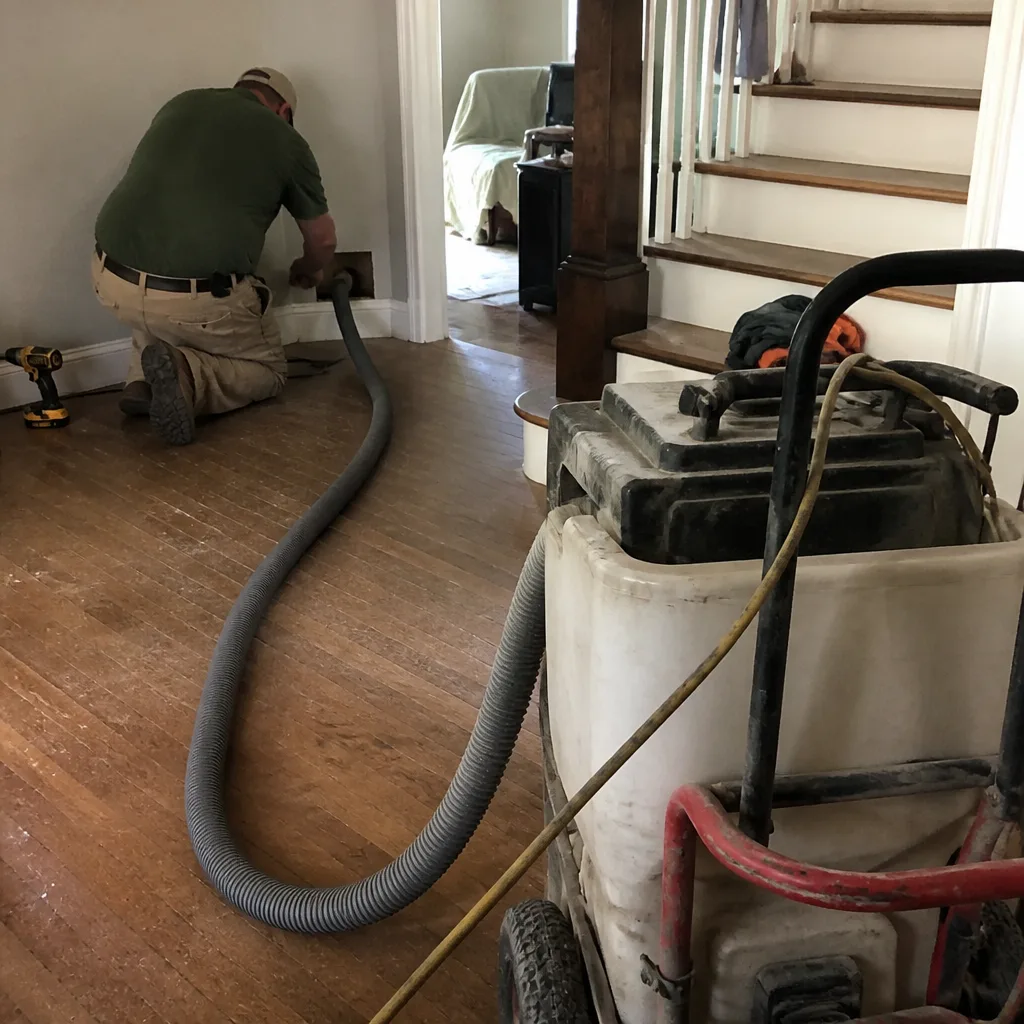 Before
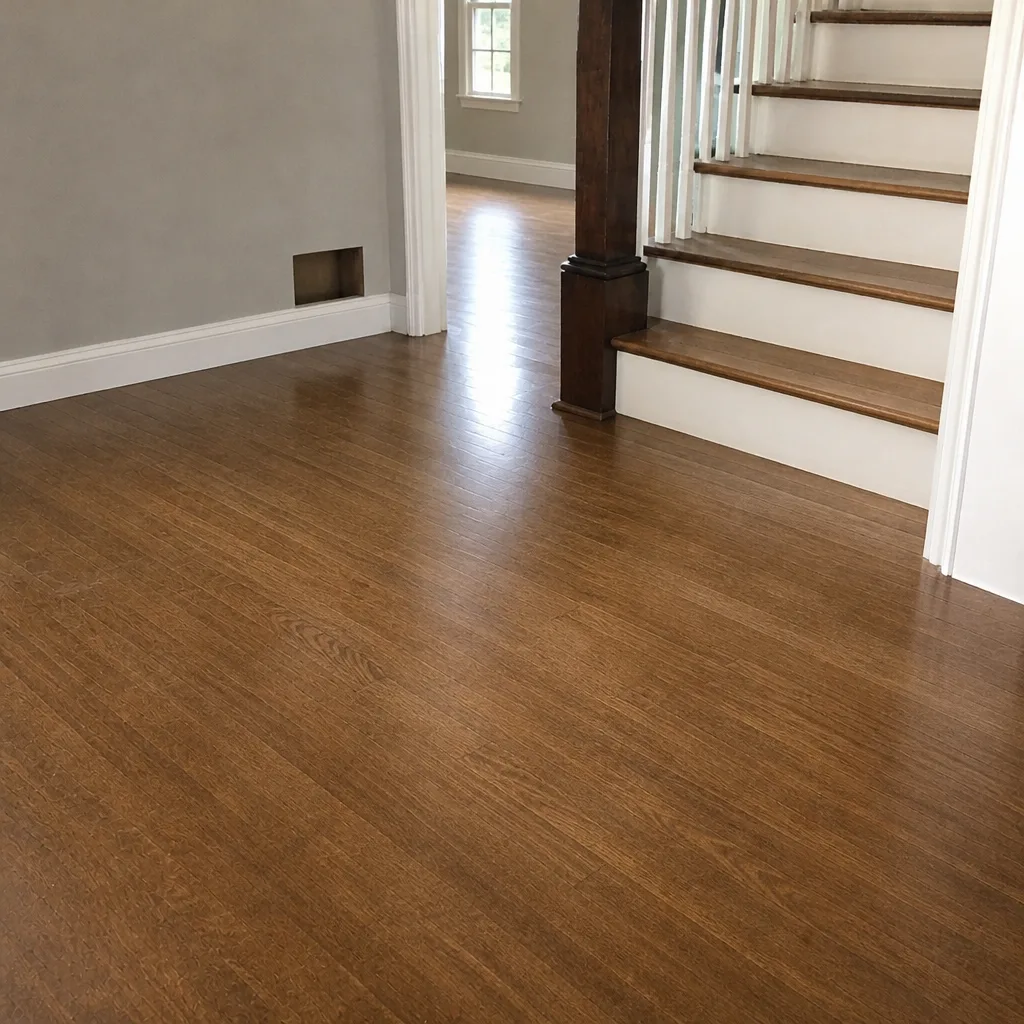 After
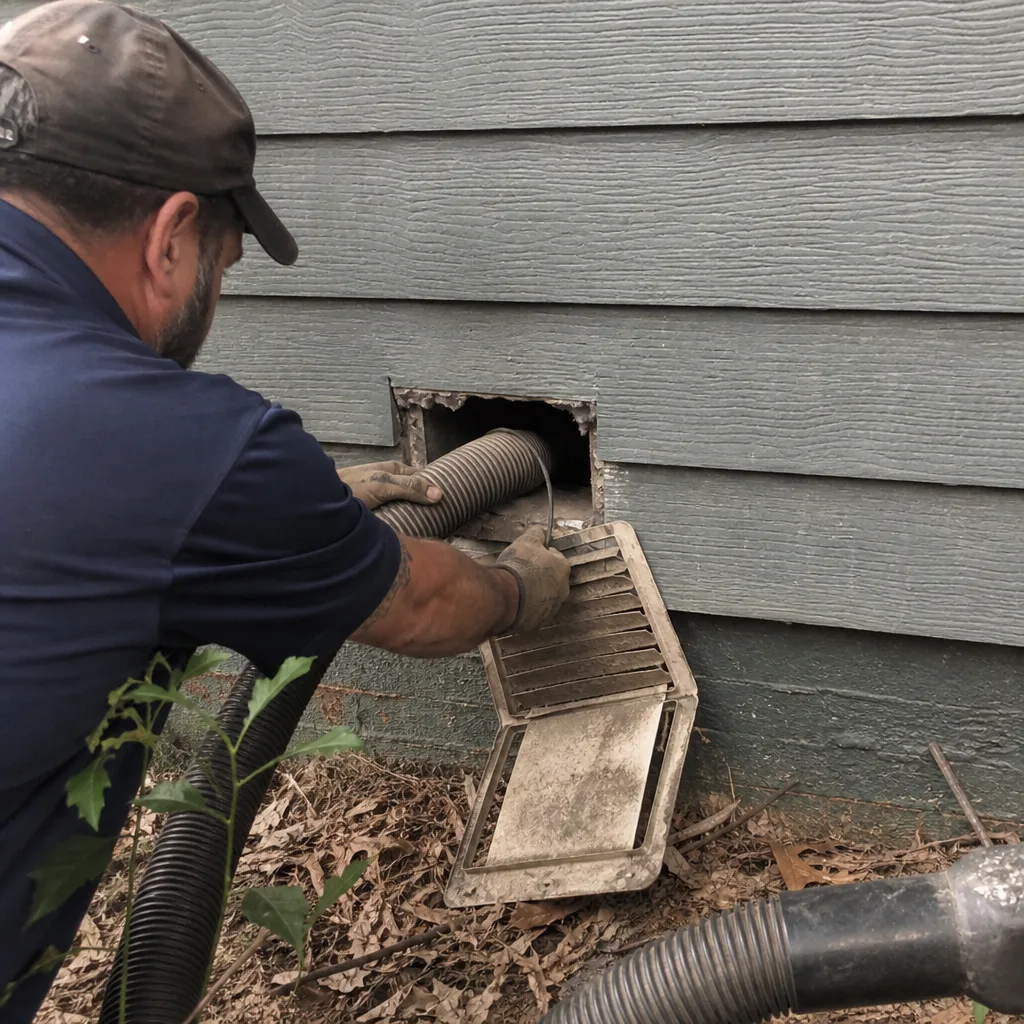 Before
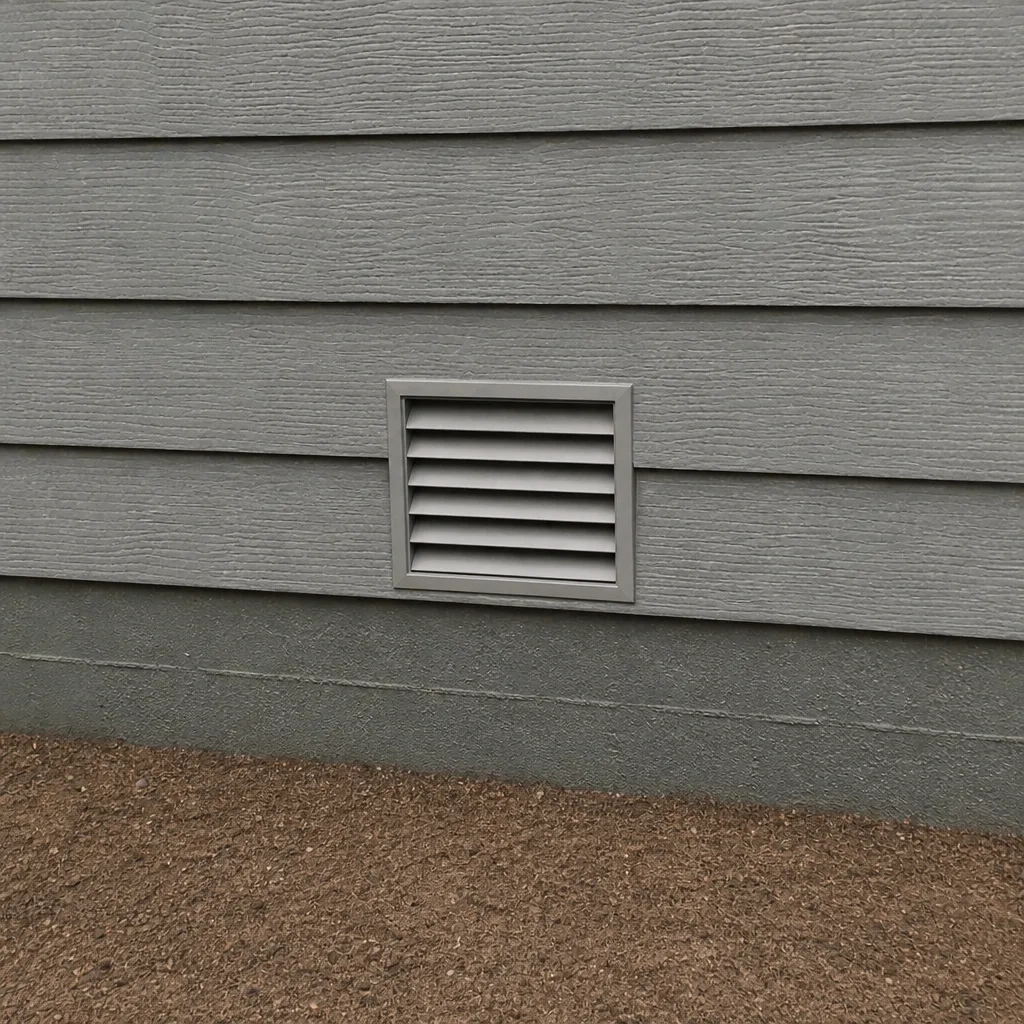 After
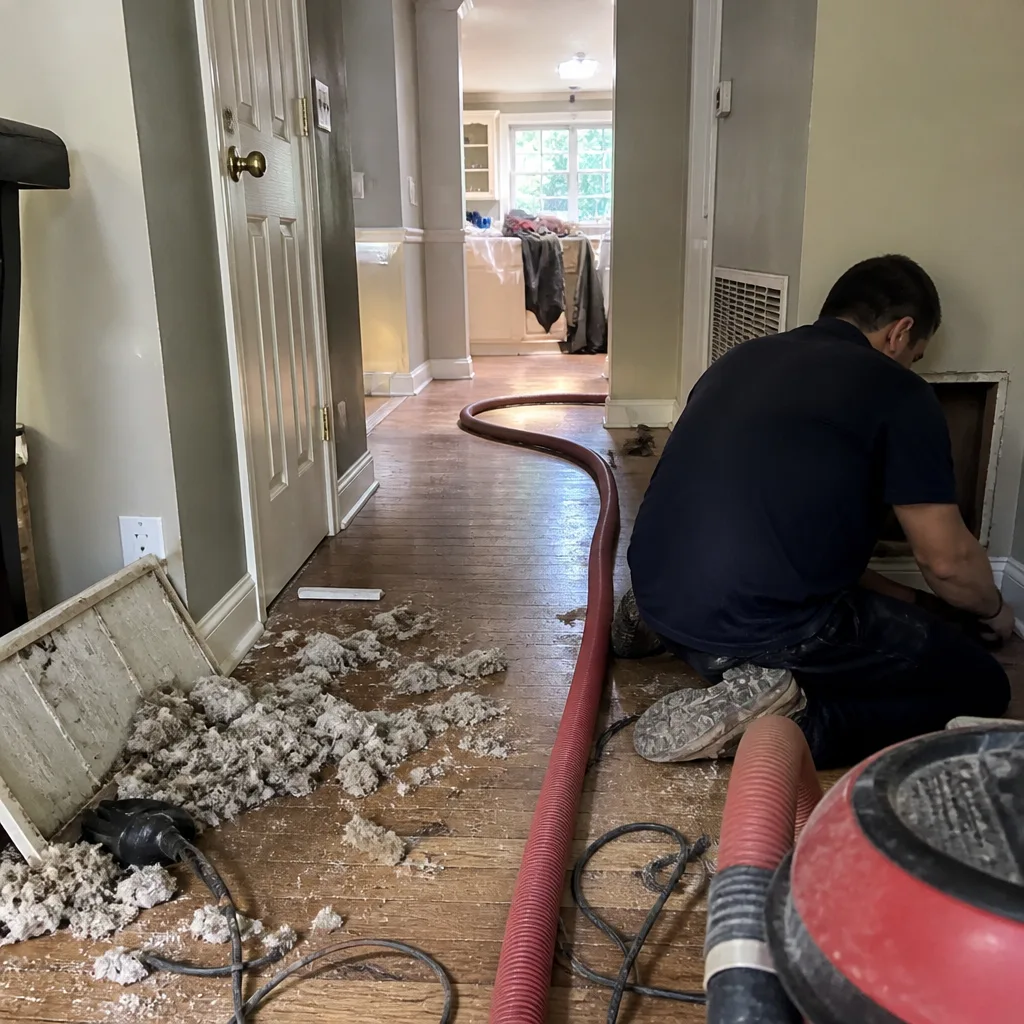 Before
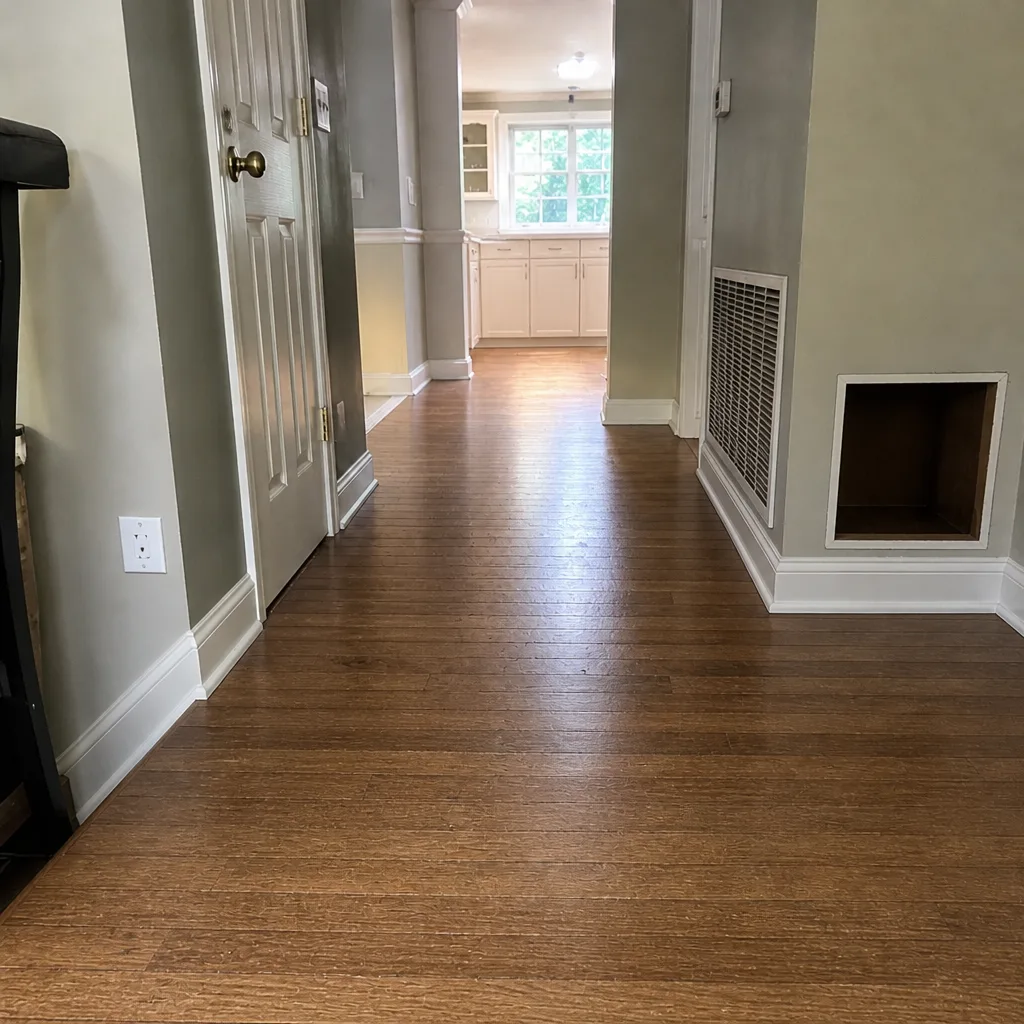 After
Frequently Asked Questions
Most Hayes Barton homes need full duct cleaning every 3 to 5 years. Homes with pets, allergy sufferers, smokers, or a recent renovation typically need service every 12 to 24 months instead. Your specific interval depends on pet count, filter grade, and renovation history more than any single general rule.
Low quotes usually reflect a different scope of work, not a better price on the same job. A teaser rate often covers a quick pass over the register openings without cleaning the plenum, coil, or return trunk, and it sometimes skips negative-air extraction entirely. Ask what’s included in the price, how long the job will take, and whether you’ll get before-and-after photos. Air Duct Cleaning Hayes Barton quotes one flat price per system before work starts, so you know the scope and cost up front. Call (833) 468-5692 for a free estimate.
Cleaning can reduce the particle load introduced into your living space, especially if the ducts were fouled with visible debris or growth. It’s not a medical treatment, and results vary by household. Homeowners with diagnosed allergies often see the most benefit when duct cleaning is paired with proper filtration (MERV 11 or higher where the system supports it) and a clean evaporator coil.
Ask for before-and-after photographs of your own system, taken at the return plenum and evaporator coil. A reputable company will also walk you through the components cleaned, name the equipment used, and show you the debris that came out of the system. If a company can’t provide visual evidence, that’s a warning sign.
Yes. Drywall dust, sawdust, and insulation fibers migrate into the return ducts and settle on the evaporator coil during any renovation involving cutting or sanding. Clean the ducts within 30 days of the dust settling, then restart your normal interval from that date.
Air duct cleaning focuses on the duct run and register openings. HVAC cleaning covers the air handler, evaporator coil, blower, and drain pan, which sit at the center of the system where all airstream passes. In practice, the two are usually done together because a clean duct run feeding a fouled coil just re-contaminates itself. Full-scope service covers both.
Dryer vent cleaning belongs on the same calendar as your duct cleaning, sometimes at a shorter interval. Lint buildup restricts airflow and creates a fire risk. dryer vent cleaning should be part of your annual home maintenance checklist regardless of duct service timing.
The Bottom Line
A single 3-to-5-year duct cleaning rule ignores the variables that matter most: pets, allergies, renovation history, filter grade, and Hayes Barton’s humid subtropical climate. Build your own cadence using the household profile matrix, keep the filter maintained and sealed, inspect the evaporator coil late every summer before heating season, put dryer vent cleaning, UV lamp replacement, and drain pan treatment on the same calendar, and keep a written log after every service so the next baseline is documented rather than guessed. Done that way, maintenance becomes a system instead of a scramble. Call (833) 468-5692 for a free estimate.
Written by the team at Air Duct Cleaning Hayes Barton.